
 Edited by Michelle Tipsword
How Do I Get My Real FICO® Score?
Edited by Michelle Tipsword
Quick Answer
- FICO creates many versions of the FICO® Score, and you can find your score for free from credit bureaus, card issuers, banks and credit counselors.
- Although your scores will likely differ depending on the scoring model, the same actions can help increase all your FICO® Scores.

There are several ways to check your FICO® ScoresΘ, including many free options. However, there are also many versions of the FICO® Score. They are all real, but the type of score you receive and the underlying credit report that the score is based on can vary depending on the source.
What Is a FICO® Score?
A FICO® Score is a general term for the credit scores that FICO develops and sells. FICO creates different types of credit scores and periodically releases new versions of its scores, but most of the scores analyze a credit report to assess the likelihood that someone might miss a bill payment in the future. Companies use credit scores, such as FICO® Scores, as an easy-to-understand way to assess risk, which is why your credit score can affect your loan limits, interest rates and security deposit requirements.
VantageScore® vs. FICO
VantageScore is another major credit scoring company that develops credit scoring models. Both companies offer multiple credit scores, such as the VantageScore 4.0, 4plus™ and 5.0 scores and the FICO® Score 8, FICO® Score 10T and FICO® Score 10 BNPL scores. Companies can generally decide which score, or scores, they'll use when checking your credit.
Learn more: Which Credit Scores Do Mortgage Lenders Use?
How to Get Your FICO® Score
There are several ways to get one or more of your FICO® Scores, including many free and paid options.
Free From Experian
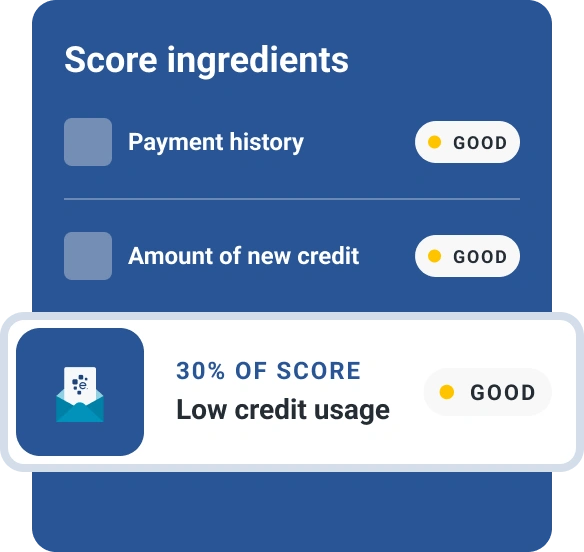
If you sign up for a free account with Experian, you'll be able to see your FICO® Score 8 along with a copy of your Experian credit report. Unlike some services that only give you a score, you'll also be able to review the underlying information (the credit report) that led to the score. Experian also shows you which factors are hurting and helping your score the most.
Get your FICO® ScoreΘ for free
Sign up and get instant online access to your FICO® Score for free.
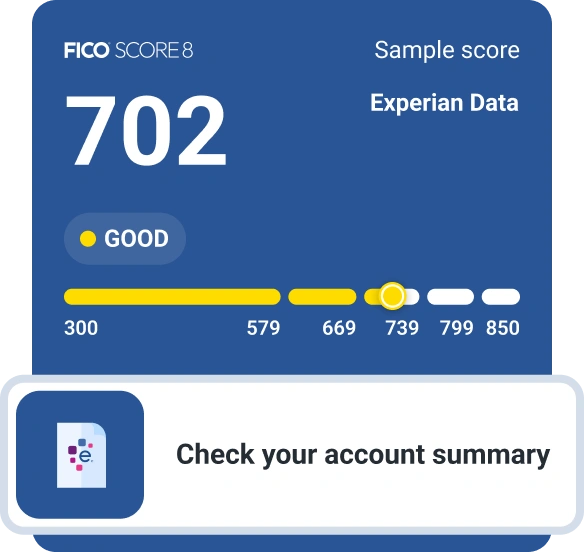
Checking your own credit won’t lower your credit scores.
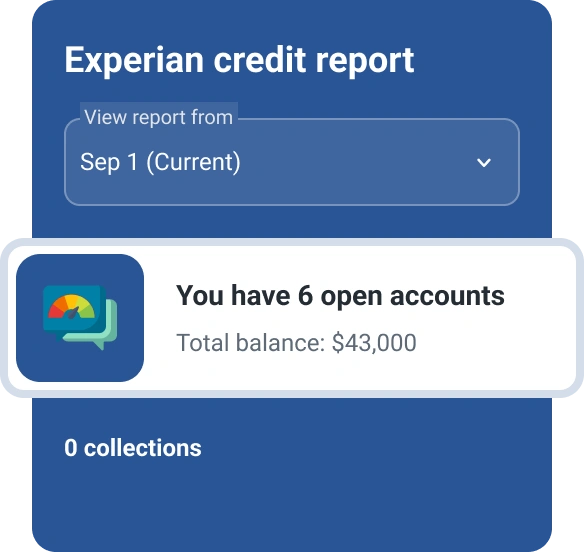
View specific factors that are affecting your score and how to improve it.
Credit Card or Bank Statements
Checking with your bank or current credit card issuers is another option you may have. For example, American Express MyCredit Guide users can get a FICO® Score 8 based on their Experian credit report, and Citi cardholders might get a FICO Bankcard Score 8 based on their Equifax credit report. Bank of America offers eligible customers a FICO® Score 8 based on their Experian credit report.
The Official FICO Site
FICO offers a free FICO® Score 8 based on your Equifax credit report. It also sells scores on myFICO.com and authorizes "FICO® Score retailers." These companies may offer free or paid access to FICO® Scores to consumers, and sometimes include additional products or services with your score.
Nonprofit Credit Counselors
Nonprofit credit counseling agencies offer various services related to managing money, including budgeting, buying a home and getting out of credit card debt. You may be able to get a free consultation with a credit counselor who can, with your permission, check and explain your credit scores.
Learn more: How Do I Check My Credit Score?
Does Checking Your FICO® Score Lower It?
Checking your FICO® Score doesn't affect your credit score. You can check any of your FICO® Scores and VantageScore credit scores without worrying about hurting your credit. Checking your credit will result in a new soft inquiry appearing on your report, but these don't impact credit scores.
In contrast, if a company checks your credit before making a lending decision, that can result in a new hard inquiry, which might temporarily hurt your scores a small amount.
Read more: Does Checking My Credit Lower My Score?
How to Improve Your FICO® Score
The following actions can help improve your FICO® Score. The exact impact will depend on the scoring model and the entirety of your credit report. As a result, it's hard to predict exactly how much your score will increase, but following these tips might improve all your FICO® Scores over time.
- Make loan and credit card payments on time. Your FICO® Scores consider your history of paying different types of accounts. Having a long history of making your payments on time could help your scores.
- Lower your credit cards' utilization rate. The ratio between your cards' credit limits and balances can affect your credit scores. Only using a small portion of your credit card's credit limit can be best for your FICO® Scores.
- Request credit limit increases. If you can't afford to pay down your credit card balances right away, increasing the credit limit on your cards can also lower your credit utilization ratio. However, asking for an increase could lead to a hard inquiry that hurts your credit even if your card issuer doesn't increase your credit limit.
- Become an authorized user. If you have a close friend or family member who maintains a credit card with low utilization and on-time payments, becoming an authorized user on that account might help your scores as well.
There may be other opportunities to improve your FICO® Score depending on what's impacting your score right now, but these core actions can typically help scores across the board.
Learn more: Tips to Improve Credit
Frequently Asked Questions
Monitor Your Credit Report and FICO® Score for Free
Experian's free membership includes your credit report and a FICO® Score 8 based on your report. You'll also receive ongoing credit monitoring, which can inform you about important changes in your credit, and personalized suggestions for how to improve your score.
What makes a good FICO® Score?
Learn what it takes to achieve a good credit score. Review your FICO® Score for free and see what’s helping and hurting your score.
Get your FICO® ScoreNo credit card required

About the author

Louis DeNicola
Louis DeNicola is freelance personal finance and credit writer who works with Fortune 500 financial services firms, FinTech startups, and non-profits to teach people about money and credit. His clients include BlueVine, Discover, LendingTree, Money Management International, U.S News and Wirecutter.
Read more from Louis