
What Happens to Your Old Credit Card After a Balance Transfer?

Quick Answer
After you’ve transferred a credit card balance to a new card, you can choose whether to keep the old card open or cancel it. But review the potential impact to your credit score before closing the card.

After you complete a balance transfer, your old credit card will remain open unless you decide to cancel it.
If you transferred the entire previous credit card balance to a new card, you'll have the option to close the original account. But canceling the old card doesn't happen automatically, and it could have a negative impact on your credit. Instead, you could consider keeping the old card open or downgrading it to a fee-free version with the same issuer.
Here's what to know about your options once you've made a balance transfer.
What Happens to Your Old Credit Card After a Balance Transfer?
After you complete a balance transfer, your old credit card will either have a zero balance or the remaining amount that wasn't transferred. In the case of a zero balance, you can decide whether to close the old account or to keep it open. (We'll go into the pros and cons of doing so next.)
If the new balance transfer credit card didn't provide a high enough limit to accommodate your previous card's entire balance, the old card will have a remaining amount to pay off. Keep making payments for the account to stay current and to avoid missed payments and damaged credit. You can make either the minimum payment required or more if you're committed to paying off credit card debt.
Learn more: Does Closing a Credit Card Hurt Your Credit?
Should You Cancel Your Old Credit Card?
There are benefits and drawbacks to closing your old credit card if it has a zero balance post- transfer. Whether to cancel it often depends on your goals, including whether you want to maintain as strong a credit score as possible in the short or long term. Here's what to consider.
Pros of Canceling Your Old Credit Card
- You'll avoid accruing more debt. If you've made a balance transfer in order to concentrate on debt reduction, it may be beneficial to cancel the card so you can't add to your debt.
- You'll save on annual fees. Some rewards credit cards and subprime credit cards have annual fees, which can range from $50 to more than $600 a year, depending on the card. If you don't plan on using the card to avoid accruing debt, consider canceling it to save on the fee. Or you can ask the issuer to downgrade your card to one of the company's no-fee options.
Cons of Canceling Your Old Credit Card
- You'll have increased credit utilization. When you cancel a credit card, your overall credit utilization rate, or the percentage of available credit you're currently using, will increase. That's because you've lost access to the credit limit on the card you closed. If you can keep your old account open with a low or zero balance, the amount of credit you use will be a smaller proportion of your total available credit, and that can help keep your credit score strong. Amounts owed, of which credit utilization is a factor, is one of the most important factors in your FICO® ScoreΘ, accounting for 30% of it.
- Your average account age will eventually drop. A less significant contributor to credit scores is the length of your credit history, which accounts for 15% of your FICO® Score. On-time payment history on a closed account will contribute positively to your score for 10 years, so you may not experience a major negative impact to your score immediately after canceling the card. But if the credit card is one of your oldest accounts, and if you have a thin credit file otherwise, closing it will shorten your average age of accounts and potentially limit your credit mix, damaging your score. Consider keeping it open if it's a particularly long-running account.
Learn more: Should You Cancel Your Unused Credit Cards or Keep Them?
What Happens to Your New Credit Card After You Pay Off the Balance?
Once you've paid off the debt you transferred to the new card, it will remain open and will function like a normal credit card. You can also close it. Here's what to weigh when deciding what to do next.
Use Your Credit Card
If you keep the card open, you can make purchases and potentially earn rewards if your card offers them. It's crucial to only make purchases after you've completely paid off the transferred balance. Credit card issuers don't offer the standard grace period on purchases made before a transferred balance is paid off, and interest will start accruing immediately on those charges.
Keep an eye on the purchase annual percentage rate (APR) offered by your balance transfer credit card. When your 0% APR introductory period ends, the APR could jump to as much as 30%. It's ideal to pay off your full balance each month to avoid significant interest charges. Since keeping the card open may positively affect your credit utilization, consider using the card to make a single recurring payment, like a monthly subscription, and pay it off right away.
Cancel Your Credit Card
Once your transferred balance is paid off, you can also cancel the new credit card. This could lead to a change in your credit utilization rate, average account age and credit mix, affecting your credit. But it may be worthwhile if it will help you stay debt-free and you don't foresee benefitting from the card's rewards.
Best balance transfer cards of 2026
Compare balance transfer offers from our partners with 0% APRs and generous introductory periods.
Offers from our partners
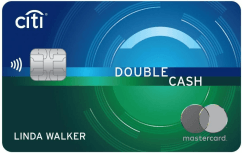
Citi Double Cash® Card
Intro APR:0% for 18 months on Balance Transfers
Ongoing APR:18.49% - 28.74% (Variable)
Annual Fee:$0
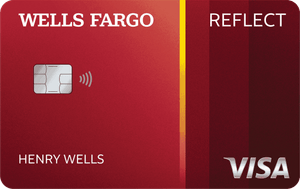
Wells Fargo Reflect® Card
Intro APR:0% intro APR for 21 months from account opening on purchases and qualifying balance transfers
Ongoing APR:17.74%, 24.24%, or 28.49% Variable APR
Annual Fee:$0
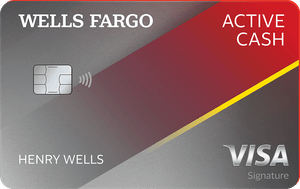
Wells Fargo Active Cash® Card
Intro APR:0% intro APR for 12 months from account opening on purchases and qualifying balance transfers
Ongoing APR:18.74%, 24.74%, or 28.74% Variable APR
Annual Fee:$0

American Airlines AAdvantage® MileUp® Card
Intro APR:0% for 15 months on Balance Transfers
Ongoing APR:19.74% - 29.74% (Variable)
Annual Fee:$0

Citi Simplicity® Card
Intro APR:0% intro APR for 18 months from account opening on purchases and qualifying balance transfers
Ongoing APR:17.74% - 28.49% (Variable)
Annual Fee:$0

Ollo Everyday Rewards
Ongoing APR:23.99%-29.99% Variable
Annual Fee:$0
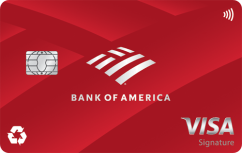
Bank of America® Customized Cash Rewards credit card
Intro APR:0% Intro APR for 15 billing cycles for purchases, and for any balance transfers made in the first 60 days
Ongoing APR:17.74% - 27.74% Variable
Annual Fee:$0
BankAmericard® credit card
Intro APR:0% Intro APR for 21 billing cycles for purchases, and for any balance transfers made in the first 60 days
Ongoing APR:15.24% - 26.24% Variable
Annual Fee:$0
See all our best balance transfer credit cards for 2026.
Frequently Asked Questions
The Bottom Line
After you've transferred a credit card balance, you can choose whether to cancel or keep your old card. The same is true for the new card once you've paid off the debt you transferred. In both cases, consider what is most important to you—staying debt-free, for example, or bolstering your credit score—when deciding on your next move.
If you're at the start of your balance transfer journey, shopping around for a balance transfer credit card can help you score the best deal on fees, terms and interest rates. Experian's card comparison tool allows you to compare balance transfer card offers that are personalized to your credit score.
Best balance transfer cards
Need to consolidate debt and save on interest? See if you qualify for intro offers like 0% intro APR up to 21 months based on your FICO® Score.
See your offers
About the author

Brianna McGurran
Brianna McGurran is a freelance journalist and writing teacher based in Brooklyn, New York. Most recently, she was a staff writer and spokesperson at the personal finance website NerdWallet, where she wrote "Ask Brianna," a financial advice column syndicated by the Associated Press.
Read more from Brianna