 By Evelyn Waugh
 Edited by Peggy BennettBy Evelyn WaughEdited by Peggy Bennett

Getting a credit card can unlock opportunities to build your credit and access credit card perks, such as cash back rewards. But if you're new to credit or your score could use improvement, you may be nervous about whether you'll get approved when you apply.
While it can be more difficult to get approved if you have limited or damaged credit, it's not impossible. Whatever your score, you can maximize your odds of approval by doing some upfront preparation, knowing what cards you're most likely to be approved for and getting prequalified before you apply. Here are 10 steps to help you get approved for a credit card.
It's always a good idea to check your credit scores before you apply for a credit card. Lenders look at your credit score to determine how responsible you are with borrowing and repaying money. A higher credit score can make it easier to qualify for a range of cards, whereas a low or fair score can limit your options—more on this below.
You can check your credit report for free through Experian to see where you stand. Determining what range your score falls into will help you understand whether you're ready to apply for credit now and what card to apply for, or if you could use some more time to build credit.
Learn more: Follow This Checklist Before You Apply for Credit
The best thing that you can do for your credit—and your approval odds as an applicant—is to pay your bills on time every month.
Your debt payment history is the most important factor in determining your credit score. Late payments remain on your credit report for up to seven years, so avoiding them is important, especially if you plan to apply for a credit card or other loan in the future. Consider setting up autopay to ensure you don't forget to pay by the due date.
Learn more: How to Improve Your Payment History
Credit card companies look at your credit utilization rate when weighing how reliable or risky you appear as an applicant. Your credit utilization is defined as how much revolving credit you're using compared to your total available credit.
Using no more than 30% of your available credit can help you avoid more substantial knocks to your credit score. Even better, aim to keep your utilization in the single digits.
Learn more: Ways to Keep Your Credit Utilization Low
Try to keep your credit applications to a minimum and avoid applying for multiple credit cards in a short period of time. Having many hard inquiries on your credit report can temporarily lower your score and may make you appear risky to lenders.
If you're new to credit or your score could use some help, Experian Boost can give you credit for monthly bills you already pay, such as eligible utility, cellphone, insurance, rent and streaming service bills. On-time payments can factor into credit scores powered by Experian data and could instantly boost your scores.
Add any bank accounts you use to pay your bills. Your information remains private.
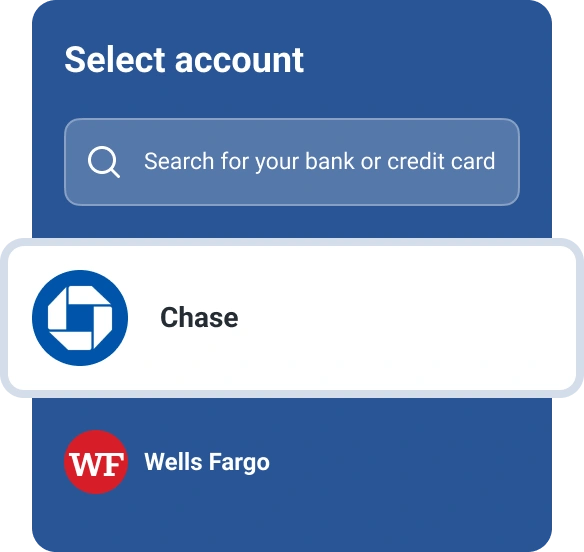
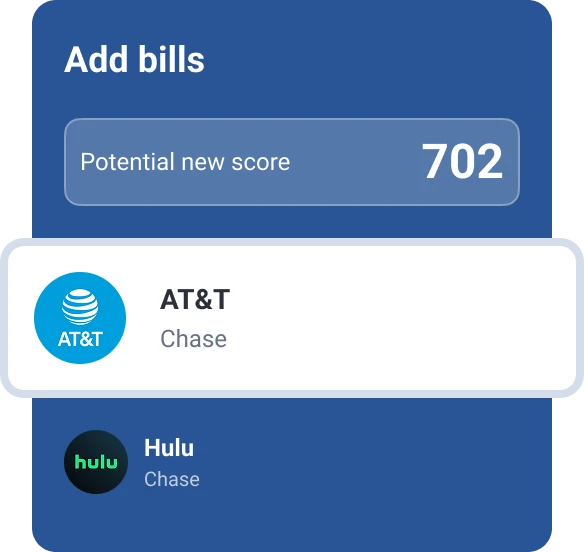
We’ll detect bills with on-time payments, and you can add them to your Experian credit file.
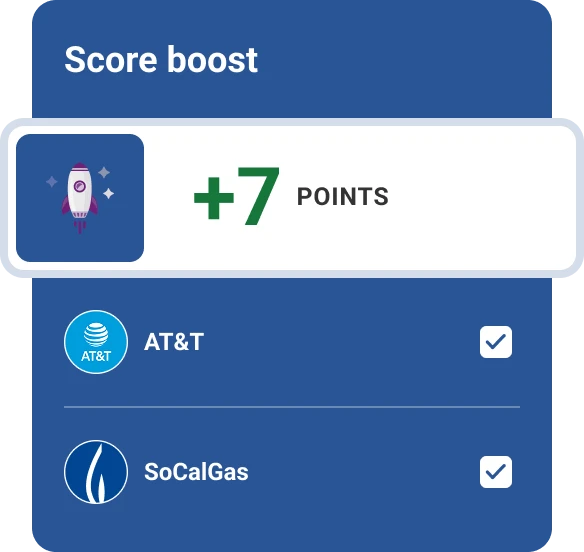
You’ll find out right away if your credit scores increased and by how many points.
Knowing whether you fit the credit profile for approval with a certain card can help you avoid credit denial—and unnecessary inquiries on your report. Depending on what range your score falls into, you may have your pick of many cards, or you may be limited to those designed for improving credit.
Compare cards from our partners that earn points, cash back or miles on everyday spending.
Offers from our partners
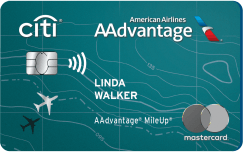
American Airlines AAdvantage® MileUp® Card
Intro APR:0% for 15 months on Balance Transfers
Ongoing APR:19.74% - 29.74% (Variable)
Annual Fee:$0
First Latitude Secured Mastercard® Cash Back Rewards
Ongoing APR:27.74% Variable
Annual Fee:$0

Avant® Cashback Rewards Mastercard®
Ongoing APR:35.99%*
Annual Fee:$75 first year; then $99/year

Avant® Cashback Rewards Mastercard®
Ongoing APR:35.99%*
Annual Fee:$39*
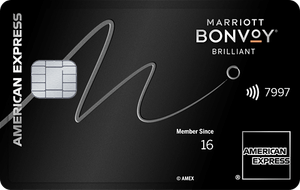
Marriott Bonvoy Brilliant® American Express® Card
Ongoing APR:19.74%-28.74% Variable
Annual Fee:$650
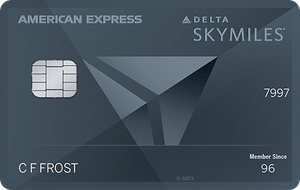
Delta SkyMiles® Reserve American Express Card
Ongoing APR:19.74%-28.74% Variable
Annual Fee:$650
Credit One Bank® Premier American Express® Unlimited Rewards Card
Ongoing APR:29.74% Variable
Annual Fee:$0
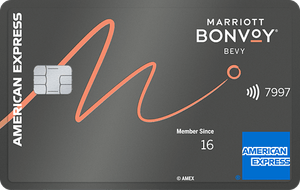
Marriott Bonvoy Bevy® American Express® Card
Ongoing APR:19.74%-28.74% Variable
Annual Fee:$250
See all our best rewards credit cards for 2026.
If you haven't had much time to build credit yet, or if you need to recover from some hiccups in your credit history, consider applying for a secured credit card. These cards are designed specifically to give low-credit borrowers the opportunity to qualify for a card and use it to build up a history of on-time payments.
You'll need to put down a deposit to get approved, and that deposit will serve as your credit limit. Over time, these cards give you the opportunity to graduate to an unsecured credit card.
Learn more: How to Get a Secured Credit Card
You don't just want to get approved for a new credit card—you want to be happy with the card you chose, and confident that it aligns with your credit goals. So before you submit an application, be sure you've considered all your options and chosen a card in a category that covers your needs.
Before you apply, it's wise to get prequalified for a credit card. While prequalification isn't a guarantee of approval, it can eliminate some guesswork. It uses a soft credit inquiry, which doesn't affect your credit scores, to determine your odds of approval.
Start by reviewing cards you're likely to qualify for based on your credit profile. You can also narrow down your prequalified card search by category, breaking down matches to find what's most relevant to you. For example, you could check out balance transfer credit cards or gas rewards credit cards.
When you're ready to apply, you'll need to provide information to the card issuer to verify your identity, as well as information on your income and monthly housing payment.
Once you submit the application, you may receive a decision right away. If you're approved, you'll receive information on how long you should expect to wait for your card to arrive in the mail, and you'll sometimes receive instant access to a virtual credit card to make purchases in the meantime.
If you're denied credit, the issuer is required to provide you with a reason and tell you which credit report they used to make their decision. Denial is disappointing, but there are steps you can take to help your odds of approval the next time you apply. A few options include becoming an authorized user on a family member's credit card, applying later after you've had a chance to improve your credit or applying for a secured credit card.
Getting approved for a credit card comes down to knowing where your score falls before you apply, selecting a credit card based on your score and needs and then prequalifying before you formally apply. If you can't qualify for the card you want now, maintaining good credit habits can open the door to a wider range of credit cards down the line.
Sign up for free credit monitoring through Experian to watch how your score changes over time. Within your account dashboard, you'll also have access to personalized insights into credit moves you could make to have a positive impact on your score.
Apply for credit cards confidently with personalized offers based on your credit profile. Get started with your FICO® Score for free.
See your offers
Evelyn Waugh
Evelyn Waugh is a personal finance writer covering credit, budgeting, saving and debt at Experian. She has reported on finance, real estate and consumer trends for a range of online and print publications.
Read more from Evelyn