
 Edited by Samuel Mountjoy
Do You Need a Good Credit Score to Adopt a Child?
Edited by Samuel Mountjoy
Quick Answer
- Your credit score won’t be taken into consideration when you apply to adopt a child.
- Both private and public agencies will require you to be financially stable to adopt, and will look into your income, debts and savings.

There's no specific credit score you need to adopt a child. Adoption agencies and federal laws do not use credit scores to determine your fitness as a parent.
Agencies will likely ask to see your tax returns, pay stubs and bank statements to verify your income and savings, however. They may want you to share details of a debt payoff plan if you have significant outstanding credit card or loan balances. If you choose to get an adoption loan (a type of personal loan) to help pay for the costs of adoption, the lender will consider your credit score.
Read on for more about your credit score, your finances and the adoption process.
How Does Your Credit Affect Adopting a Child?
Your credit score itself will have no impact on your ability to adopt a child. There's no minimum credit score required by adoption agencies, for instance. But the factors that contribute to your credit score—such as your debts and whether you have enough income to cover your bills and make payments on time—will be considered as part of the application process.
Demonstrating Financial Stability
Before approving you as a suitable adoptive parent, both private and public adoption agencies will want evidence that you have the financial resources to provide for a child. They'll conduct a home study to assess your suitability as a parent, and you'll typically be asked for pay stubs, W-2 forms or income tax returns to verify your income.
The agency may also review your monthly expenses and bank statements, and may ask about life and health insurance; your savings and investments; and your debts and how you plan to repay them. Some adoption agencies may ask for your credit report as part of the home study, but federal law does not require it.
If you adopt a child internationally, you may have to meet specific income requirements. According to U.S. Citizenship and Immigration Services (USCIS), adoptive parents must earn an income that's at least 125% of the federal poverty level for your household size to adopt a child from outside the U.S.
Applying for an Adoption Loan
Your credit score will be a more decisive factor if you plan to apply for a loan to help pay for the cost of adoption. An adoption loan is a type of personal loan that must be repaid in fixed monthly installments, often over two to seven years. You are generally eligible to apply for an adoption loan once your home study is complete and you've been approved by the adoption agency.
It's possible to qualify for a loan with a credit score in the fair credit range of 580 to 669. The higher your credit score, however, the more likely you are to qualify for the lowest interest rates available.
Tip: Try prequalifying first with multiple personal loan providers to see what loans you're eligible for, and look closely at their interest rates, monthly payments and fees.
Get your FICO® ScoreΘ for free
Sign up and get instant online access to your FICO® Score for free.
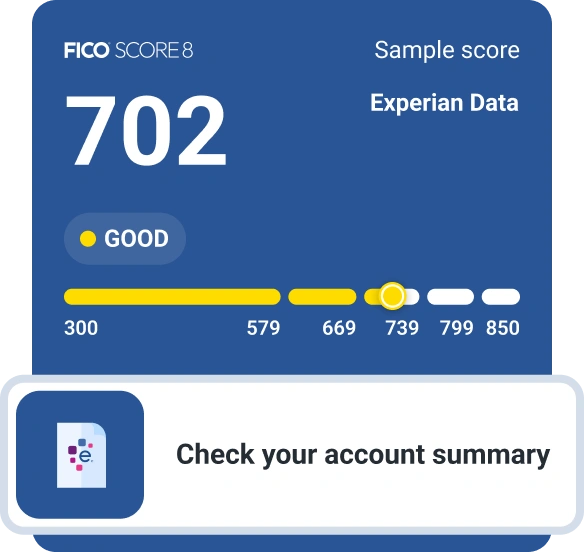
Checking your own credit won’t lower your credit scores.
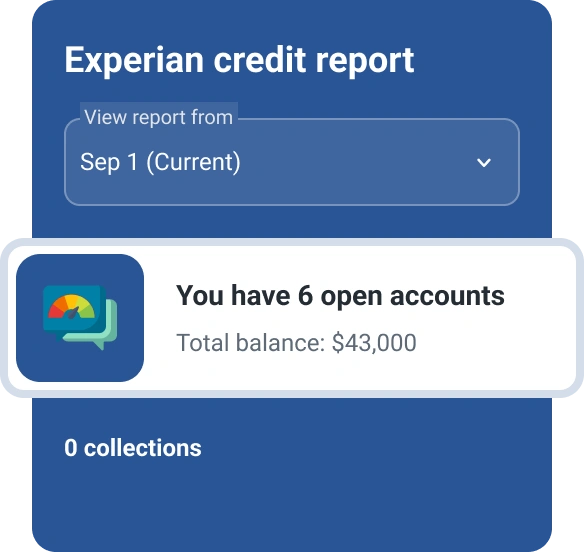
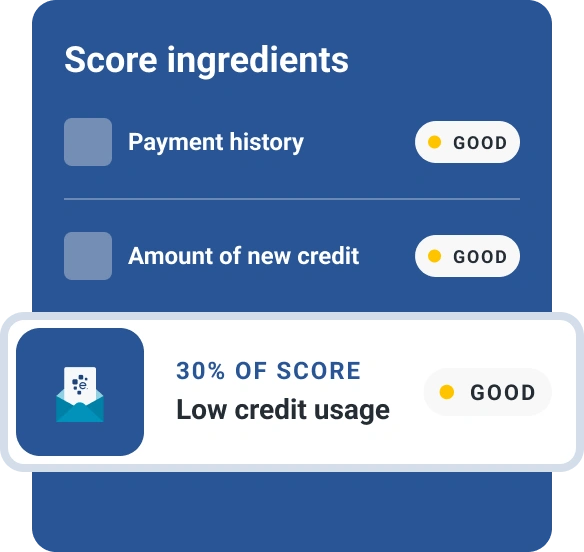
View specific factors that are affecting your score and how to improve it.
What Are the Costs of Adopting a Child?
The cost of adoption can vary widely, depending on what type of adoption you're considering. Adopting a child from the foster care system may be free or cost up to $2,000 at most, because the government typically funds the process. On the other hand, international adoptions can cost as much as $80,000.
In general, required expenses can include legal and agency fees, background and medical checks and travel. You can lower the cost of adoption by working with a sliding scale adoption agency that adjusts its fees based on your income.
If you don't have enough savings to pay for an adoption out of pocket, look into these sources of financial assistance:
- Your employer: Some employers offer assistance with adoption costs as a workplace benefit. Active-duty members of the military can receive up to $2,000 per child in reimbursement.
- Grants and subsidies: A wide variety of organizations offer grants to help parents pay for legal and adoption agency costs. The Dave Thomas Foundation for Adoption maintains a list of grants and other resources.
- Loans: You can get a personal loan, home equity loan or home equity line of credit (HELOC) to cover the one-time costs of adoption. Having good credit can make it easier to qualify for these loans and get better loan terms. Only borrow money to adopt a child if you're confident you can pay it back, and your credit is good enough to receive a loan you can easily afford.
- Tax credits: Adoptive parents can receive a federal tax credit of up to $17,280 per child for adoptions finalized in tax year 2025. Only $5,000 worth of the credit is nonrefundable, and the rest can be carried forward for up to five years. Those numbers rise to $17,670 and $5,120 for tax year 2026.
- Friends and family: Donations or loans from friends, family, your house of worship or other organizations you belong to could help you cover adoption costs.
How to Improve Your Finances Before Adopting a Child
- Make a detailed budget. Prepare for the new addition to your family member by creating a budget for before your child arrives and once they join your family. List your current expenses, such as housing and insurance, alongside new expenses such as agency fees, diapers and child care. Account for income changes if you'll take parental leave or if one parent will cut back on paid work permanently. For those new to budgeting, the 50/30/20 method is a straightforward way to start. This approach allocates 50% of your net income to necessities, 30% to discretionary spending and 20% to savings and debt repayment.
- Plan for parental leave. Your income will likely change temporarily if you take time off from work to adjust to parenthood. Check with your employer and review state laws regarding family and medical leave to understand the amount of paid or unpaid leave you're entitled to.
- Pay down debt. Creating a budget and reducing your expenses can help you pay down high-interest debt, leaving more money for child-related costs. Using a debt consolidation loan could save you money on interest, and making the loan payments on time can even help improve your credit score. If you have good credit, you may qualify for a balance transfer credit card to help you pay down credit card debt. Make sure to pay off the new card's balance before any 0% APR intro period ends to avoid racking up debt again.
Learn more: Types of Budget Plans to Help You Manage Money
Frequently Asked Questions
The Bottom Line
Your credit score may not affect your ability to adopt a child, but good credit can make it easier to achieve other goals for your growing family, such as buying a home. As you embark on parenthood, check your credit report and credit score to make sure your family finances are off to a solid start.
What makes a good FICO® Score?
Learn what it takes to achieve a good credit score. Review your FICO® Score for free and see what’s helping and hurting your score.
Get your FICO® ScoreNo credit card required

About the author

Brianna McGurran
Brianna McGurran is a freelance journalist and writing teacher based in Brooklyn, New York. Most recently, she was a staff writer and spokesperson at the personal finance website NerdWallet, where she wrote "Ask Brianna," a financial advice column syndicated by the Associated Press.
Read more from Brianna