 Edited by Michelle Tipsword
Does Financing a Phone Build Credit?
Edited by Michelle Tipsword
Quick Answer
- Financing a cellphone can help you build credit—but only if the company reports payments to the credit bureaus.
- Generally, lenders and credit card companies report your payments, but wireless carriers and BNPL providers may not.

These days, a cellphone is a big-ticket purchase. When the time comes to upgrade, you may not have the cash to pay for one in full. Fortunately, there are several ways to finance a cellphone and spread the cost over multiple payments.
If you decide to finance a phone, you may wonder whether doing so will help your credit. The short answer is, it depends. Financing a cellphone with a carrier generally won't help your credit—but if you finance the phone with a loan or credit card, making on-time payments could help boost your score.
Below, learn more about how financing a cellphone can affect your credit.
How Cellphone Financing Works
There are several different ways to finance a cellphone, and the cost, fees and impact on your credit all depend on the method you choose.
Here's a brief overview of your financing options:
Wireless Carriers
Phone carriers such as Verizon and AT&T may offer financing plans that bake the purchase price into your monthly phone bill. In some cases, you might not pay interest or fees, but you'll have to pay off the loan in full if you want to leave the plan early. Some carriers may even offer promotional credits to offset the price of the phone.
But if you want to pay off the phone early, you may miss out on monthly credits and have to pay the difference.
Phone Manufacturers and Retailers
Phone manufacturers and retailers may offer financing through partnerships with lenders or credit card issuers. For example, Apple offers interest-free financing on Apple devices when you pay using the Apple Card. Similarly, Best Buy gives you interest-free financing on select phones when you use their branded credit card and pay in full within 24 months. Terms and fees vary across companies, so read the fine print.
Note: While some offers come with zero interest, others may offer deferred interest financing. This means you might have to pay all the interest that accrued since the purchase if you don't pay off your balance during the promotional period.
Credit Cards
You can also finance a cellphone with your existing credit card. Unless you can pay off the entire balance at once, you might consider a 0% intro annual percentage rate (APR) credit card. If you pay off your balance within the card's introductory promotional period—often ranging from 12 to 21 months—you won't owe any interest. But if you don't, your remaining balance will start earning interest as soon as the promotional period ends.
Buy Now, Pay Later (BNPL)
You may be able to use a BNPL service, such as Klarna and Afterpay, to finance a cellphone. The common pay-in-four plan splits a purchase into four equal payments, often without interest or fees. Some providers may offer longer-term repayment plans, though they may come with interest. If you use a BNPL plan, be sure to read the fine print.
Does Financing a Cellphone Help You Build Credit?
Financing a cellphone doesn't necessarily help you build credit, but there are some exceptions. It all depends on whether or not the lender reports payments to the three major credit bureaus: Experian, TransUnion and Equifax.
Wireless carriers typically don't report payments to the credit bureaus—so if you finance with Verizon or AT&T, for example, it generally won't affect your credit score.
However, if you finance your phone through a phone manufacturer or retailer, they may offer a store-branded credit card. Like regular credit cards, your payments are reported to the credit bureaus. When you finance a cellphone with a store-branded credit card, a positive payment history can help you build credit. The same goes for any traditional credit card or personal loan you use to finance a cellphone.
Finally, BNPL plans are a mixed bag. Some companies, like Klarna, only report data from long-term financing plans, not pay-in-four plans. Others, like Affirm, now report all payment data to certain bureaus. When financing a cellphone using BNPL, check with your specific provider to learn how it'll affect your credit.
How Financing a Cellphone Affects Your Credit
There are multiple factors that affect your credit, and financing a cellphone can impact your score in several ways:
- A credit inquiry can have a small negative impact on your credit. You'll likely face a credit check when financing a new phone. If you use BNPL or carrier financing, these companies generally perform a soft credit check, which won't hurt your credit score. But if you apply for a credit card or personal loan, the lender will likely do a hard credit pull—which can temporarily lower your score by a few points.
- Monthly payments can have a positive or negative impact on your credit. Payment history is the largest contributor to your credit score. Making consistent, on-time payments reported to the credit bureaus can help you build your credit over time, but missed payments can hurt it.
- Collection accounts can hurt your credit. If you fall behind on your monthly payments, your account could end up in collections. Even if your missed payments don't show up in your credit history, your account in collections can.
Note: Outside of harming your credit score, missed or late payments can have other consequences. For example, a company may charge you late payment fees or refuse to offer your financing in the future.
Alternative Ways to Build Credit
Regardless of whether or not your cellphone payments are helping you build credit, having multiple credit accounts can make it easier to get a good or excellent score. Here are a few types of accounts you can consider using to improve your credit:
- Secured credit cards: A secured credit card is a good option for someone who's brand new to building credit or who has a low score. To get a secured card, you'll need to make a small, refundable security deposit, which typically acts as your line of credit. After a period of consistent monthly payments, you can usually upgrade to a regular credit card.
- Credit-builder loans: Credit-builder loans can also work for those without a solid credit history. They're like the inverse of a regular loan: You make monthly installment payments over the loan term, your payments show up on your credit report and you receive your money when the term ends (sometimes with interest).
- Unsecured credit cards: If you have fair or good credit, you can likely qualify for an unsecured credit card. Unsecured cards don't require a security deposit, and they may offer rewards or benefits, such as travel perks or cash back.
- Rent payments: You likely have a history of monthly payments if you're a renter, but many landlords don't report these payments to the credit bureaus. However, you can use a rent-reporting service to add this information to your credit reports.
Building credit takes time—you won't see most changes overnight. Making all of your payments on time can help you improve your scores, while missed payments and accounts in collections can hurt them. As a rule of thumb, don't finance a purchase unless you're confident you can pay it back on time.
Tip: If you're having a hard time affording your payments, call your lenders and ask what hardship programs they can offer. You can also consider general financial assistance programs for help with other bills.
Instantly raise your credit scoresø
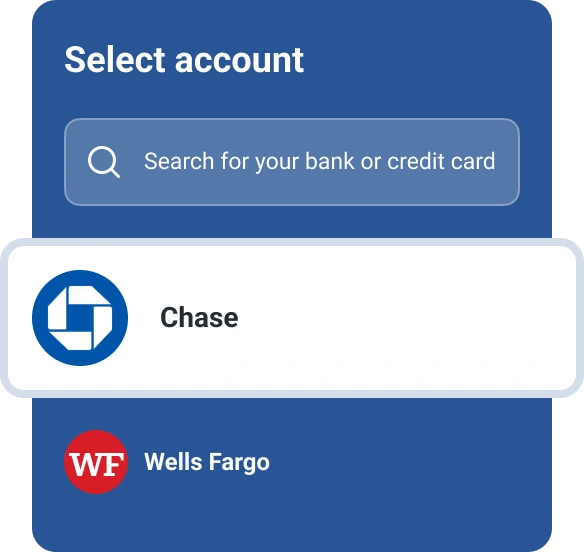
Add any bank accounts you use to pay your bills. Your information remains private.
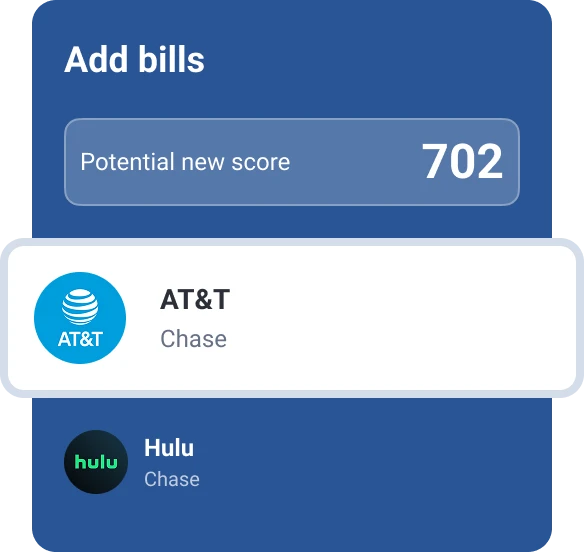
We’ll detect bills with on-time payments, and you can add them to your Experian credit file.
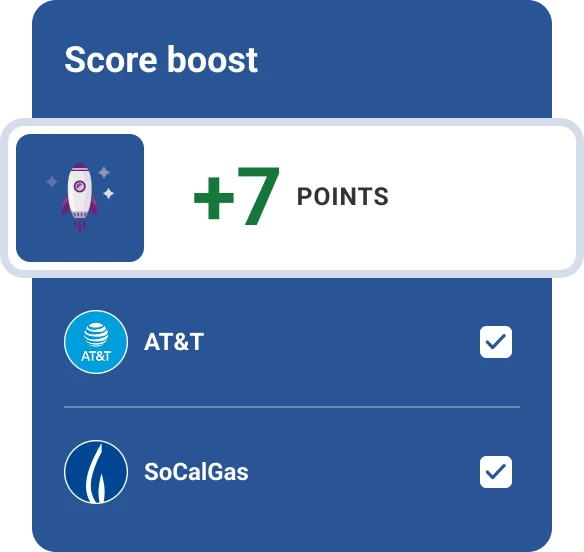
You’ll find out right away if your credit scores increased and by how many points.
Frequently Asked Questions
The Bottom Line
Financing a cellphone may or may not help you build credit—it depends entirely on the type of financing you use. If you're unsure, check with your lender to see how your payments could affect your credit.
No matter how you finance your cellphone, your payments could help you build credit with Experian Boost®ø. This free feature of an Experian account connects to your bank accounts to detect on-time bill payments, which you can add to your Experian credit file.
Instantly raise your FICO® Score for free
Use Experian Boost® to get credit for the bills you already pay like utilities, mobile phone, video streaming services and now rent.
No credit card required

About the author

Emily Batdorf
Emily Batdorf is a finance writer based in northern Michigan. She specializes in topics including budgeting, banking and debt payoff, leveraging her education background to break complex topics into approachable content.
Read more from Emily