
What Should Kids Use a Credit Card For?

Quick Answer
Your child can use a credit card in case of emergencies, or to pay for meals with friends, activities, entertainment, school expenses, clothing and more. A credit card can also help teach your kid how to manage money and build credit.

Using credit cards for purchases instead of counting out cash offers convenience, safety and speed for businesses and shoppers alike. Some 41% of Americans report that in an average week, they don't make a single purchase with cash, according to 2022 data from Pew Research Center. In an increasingly cashless world, is giving your child a credit card a smart move?
Your kid can use a credit card for emergencies, food and activities when they're out with friends. If you're considering letting your child use a credit card, here's what you should know.
4 Expenses Kids Could Use a Credit Card For
Common expenses where it may make sense for your child to use a credit card include:
1. Emergencies
Your teen stayed so late with friends they're now feeling too tired to safely drive home, and you're entertaining clients at a business dinner 40 miles away. A credit card can help get your child home safely via Uber, Lyft or taxi. Smaller emergencies like running low on gas or forgetting a sack lunch can also be handled via credit card, easing everyone's stress.
Before providing a credit card for emergencies, talk to your child about what constitutes an emergency. You can also encourage your kid to start an emergency fund they can use to pay the bill for their own emergencies.
2. Food
Food is a top spending category for teens, according to Piper Sandler's April 2023 45th Semi-Annual Taking Stock With Teens Survey. Credit cards can make paying for after-school snacks, pizza delivery or meals out with friends faster and easier. If your kids have after-school extracurricular activities or sports practices, you may not have time to eat dinner together. With a credit card, kids can grab their own pre-practice snacks or post-practice dinners, or order from food delivery services like DoorDash and Grubhub.
3. Entertainment
Is your kid begging to watch the latest season of "Euphoria" or "Stranger Things," but you don't want to add one more streaming subscription to your bills? Maybe you subscribe to Apple Music, but your child wants Spotify. Have your kid use a credit card to pay for streaming services, gaming subscriptions or mobile apps they want and pay you back with cash or housework. Or foot the bill for the basic service yourself and have the child cover desired premium upgrades or "extras" like in-game purchases.
Credit cards are also useful for "real-world" entertainment purchases like tickets to movies, sporting events and concerts or entry fees for rec centers and swimming pools. Your child can also use a credit card to pay for school activities, such as dances or proms, without having to ask you for cash.
4. Shopping
Both debit and credit cards are generally safe for online shopping, but using a credit card can have some advantages, including rewards, extended warranties, purchase protection and faster refunds for disputed purchases. Protect your child's identity (and credit card) by teaching them the warning signs of online shopping scams.
When shopping at the mall, emphasize the importance of protecting their physical credit card. Storing it in a digital wallet can reduce the risk of loss or theft—after all, kids rarely let their phones out of their sight. Though many credit cards have zero liability fraud protection, ask your child to tell you about a lost or stolen card immediately so you can report it to the card issuer.
When Should My Child Get a Credit Card?
According to the 2022 T. Rowe Price Parents, Kids & Money Survey, 17% of children ages 8 to 14 have credit cards. Although kids can't open credit card accounts of their own until they're 18 and have independent income, you can add a child to your credit card account as an authorized user much earlier.
As an authorized user on your account, your child gets a credit card they can use to make purchases. You can see all their account activity and are responsible for paying the bill.
If the card issuer reports authorized user activity to at least one of the major consumer credit bureaus (Experian, TransUnion and Equifax), the card's credit history will appear on your child's credit report at the relevant bureau, which can help them build credit. Choosing a credit card with a long history of timely payments and a low credit utilization rate will benefit your authorized user the most. See if the card issuer has age restrictions on authorized users and make sure it reports authorized user activity to credit bureaus.
Of course, just because you can make your child an authorized user on your credit card doesn't mean you should. In a recent study conducted by Qualtrics, 29% of U.S. parents who let children use their credit cards said the child had made an unauthorized purchase. Gaming, streaming and food delivery services were the most common categories of unauthorized spending. Base your decision on your child's age, their financial savvy and your comfort level. Consider imposing restrictions such as setting monthly spending limits or prohibiting card use for certain purchases. You can also set parameters such as:
- Letting preteens use the card only with supervision
- Letting younger teens use the card without supervision in some situations
- Giving older teens more freedom, such as letting them carry the card in their wallet or add it to their phones
Best credit cards of 2026
Compare cards from our partners with intro bonuses, cash back or points offers, and annual fees as low as $0.
Offers from our partners
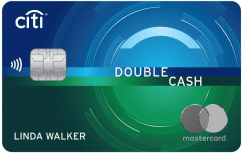
Citi Double Cash® Card
Intro APR:0% for 18 months on Balance Transfers
Ongoing APR:17.49% - 27.49% (Variable)
Rewards:2% (cash back)
Annual Fee:$0
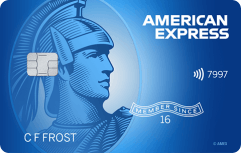
Blue Cash Everyday® Card from American Express
Intro bonus:As High As $200 Cash Back. Find Out Your Offer.
Intro APR:0% on Purchases and Balance Transfers for 15 months
Ongoing APR:19.49%-28.49% Variable
Rewards:1% - 3% (cash back)
Annual Fee:$0
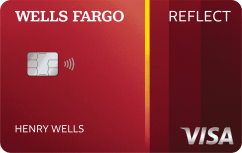
Wells Fargo Reflect® Card
Intro APR:0% intro APR for 21 months from account opening on purchases and qualifying balance transfers
Ongoing APR:17.49%, 23.99%, or 28.24% Variable APR
Rewards:N/A*
Annual Fee:$0
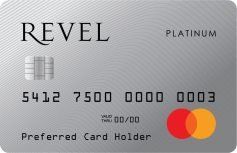
Revel® Platinum Mastercard®
Ongoing APR:35.90% Fixed
Rewards:N/A*
Annual Fee:$75 - $125

Citi® Diamond Preferred® Card
Intro APR:0% for 21 months on Balance Transfers and 12 months on Purchases
Ongoing APR:16.49% - 27.24% (Variable)
Rewards:N/A*
Annual Fee:$0
Wells Fargo Active Cash® Card
Intro bonus:$200
Intro APR:0% intro APR for 12 months from account opening on purchases and qualifying balance transfers
Ongoing APR:18.49%, 24.49%, or 28.49% Variable APR
Rewards:2% (Cash Rewards)
Annual Fee:$0

Discover it® Cash Back
Intro bonus:Cashback Match™
Intro APR:0% intro APR for 15 months on Purchases and Balance Transfers
Ongoing APR:17.49% - 26.49% Variable APR
Rewards:1% - 5% (cash back)
Annual Fee:$0

Avant® Cashback Rewards Mastercard®
Ongoing APR:29.99%*
Rewards:2% (cash back)
Annual Fee:$0*

The opensky® Secured Visa® Credit Card
Ongoing APR:23.89% Variable
Rewards:10% (cash back)
Annual Fee:$35

Credit One Bank American Express® Card for Rebuilding Credit
Ongoing APR:29.74% Variable
Rewards:1% (cash back)
Annual Fee:$75 First year. $99 thereafter, billed monthly at $8.25
Blue Cash Preferred® Card from American Express
Intro bonus:As High As $300 Cash Back. Find Out Your Offer.
Intro APR:0% on Purchases and Balance Transfers for 12 months
Ongoing APR:19.49%-28.49% Variable
Rewards:1% - 6% (cash back)
Annual Fee:$0 intro annual fee for the first year, then $95.

Avant® Mastercard®
Ongoing APR:35.99%*
Rewards:N/A*
Annual Fee:$0*
Credit One Bank® Secured Card
Ongoing APR:29.74% Variable
Rewards:1% (cash back)
Annual Fee:$0
Citi Strata Premier® Card
Intro bonus:60,000 Points
Ongoing APR:19.49% - 27.49% (Variable)
Rewards:1x - 10x (Points per dollar)
Annual Fee:$95
Costco Anywhere Visa® Card by Citi
Ongoing APR:18.74% - 26.74% (Variable)
Rewards:1% - 5% (cash back)
Annual Fee:$0

Avant® Cashback Rewards Mastercard®
Ongoing APR:35.99%*
Rewards:1% (cash back)
Annual Fee:$75*
Citi® / AAdvantage® Globe™ Mastercard®
Ongoing APR:19.49% - 29.49% (Variable)
Rewards:1x - 6x (Miles per dollar)
Annual Fee:$350

Avant® Cashback Rewards Mastercard®
Ongoing APR:35.99%*
Rewards:1% (cash back)
Annual Fee:Introductory fee of $75 for the first year. After that, $99 annually.*

Credit One Bank® Platinum X5 Visa® Metal Card
Ongoing APR:29.74% Variable
Rewards:1% - 5% (cash back)
Annual Fee:$95
First Progress Select Secured Mastercard® Cash Back Rewards
Ongoing APR:17.49% Variable
Rewards:1% - 10% (cash back)
Annual Fee:$39
Credit One Bank® Premier American Express® Credit Card
Ongoing APR:29.74% Variable
Rewards:1% (cash back)
Annual Fee:$39

Credit One Bank® Wander® American Express® with Dining, Gas & Travel Rewards
Ongoing APR:29.74% Variable
Rewards:1% - 10% (cash back)
Annual Fee:$95

Discover it® Miles
Intro bonus:Discover Match®
Intro APR:0% intro APR for 15 months on Purchases and Balance Transfers
Ongoing APR:17.49% - 26.49% Variable APR
Rewards:1.5x (Miles per dollar)
Annual Fee:$0
Delta SkyMiles® Reserve American Express Card
Intro bonus:As High As 100,000 Bonus Miles. Find Out Your Offer.
Ongoing APR:19.49%-28.49% Variable
Rewards:1x - 3x (Miles per dollar)
Annual Fee:$650
Delta SkyMiles® Gold American Express Card
Intro bonus:As High As 80,000 Bonus Miles. Find Out Your Offer.
Ongoing APR:19.49%-28.49% Variable
Rewards:1x - 2x (Miles per dollar)
Annual Fee:$0 introductory annual fee for the first year, then $150.

Credit One Bank® Premier American Express® Unlimited Rewards Card
Ongoing APR:29.74% Variable
Rewards:1% (cash back)
Annual Fee:$0
Delta SkyMiles® Platinum American Express Card
Intro bonus:As High As 90,000 Bonus Miles. Find Out Your Offer.
Ongoing APR:19.49%-28.49% Variable
Rewards:1x - 3x (Miles per dollar)
Annual Fee:$350
Hilton Honors American Express Surpass® Card
Intro bonus:130,000 Points
Ongoing APR:19.49%-28.49% Variable
Rewards:3x - 12x (Points per dollar)
Annual Fee:$150
Marriott Bonvoy Bevy® American Express® Card
Intro bonus:175,000 Points
Ongoing APR:19.49%-28.49% Variable
Rewards:2x - 6x (Points per dollar)
Annual Fee:$250

Avant® Cashback Rewards Mastercard® - With A Higher Credit Limit
Ongoing APR:35.99%*
Rewards:1% (cash back)
Annual Fee:$125*
See all our best credit cards for 2026.
How to Teach Your Kid to Use a Credit Card
Credit cards are valuable tools—if you show your child how to use them. Here's how:
- Explain that every time you use a credit card, you're borrowing money that you must pay back when the bill is due. Show them that if you don't pay the balance in full, it accrues interest, which can eventually snowball.
- Demonstrate how you'll check your credit card account activity online or on the card's app, so you'll know what they're buying.
- Explain the importance of keeping the physical card and the card number safe and not sharing them with friends.
- Help them figure out how to track their credit card spending and keep it within limits they can pay off each month. Older children can use the card's app for this.
- Note when payment is due each month. Explain that they'll need enough money to pay their share at that time. (If your child has a checking account, you can show them how to make a payment online themselves.)
- Clarify which purchases they are responsible for. For instance, you might agree to cover emergency Uber rides or school fees, but not video games.
The Bottom Line
Making your child an authorized user on your credit card can generate a credit report and credit score for them. However, a credit report for a child who doesn't have a credit card could signal identity theft or fraud. You can use Experian's minor request form to see if your child has a credit report.
While you're helping your child build good credit, consider safeguarding their identity by signing up for Experian's family identity protection plan. It monitors the dark web, credit reports and more for up to two adults and 10 children, and provides fraud resolution support and identity theft insurance.
What’s on your credit report?
Stay up to date with your latest credit information—and get your FICO® Score for free.
Get your free reportNo credit card required

About the author

Karen Axelton
Karen Axelton is Experian’s in-house senior personal finance writer. She has over 20 years of experience as a journalist and has written or ghostwritten content for a variety of financial services companies.
Read more from Karen