 By Ben Luthi
 Edited by Samuel MountjoyBy Ben LuthiEdited by Samuel Mountjoy
Credit has been used in one form or another since ancient times, but credit cards in their current form can be traced back to the late 1800s.
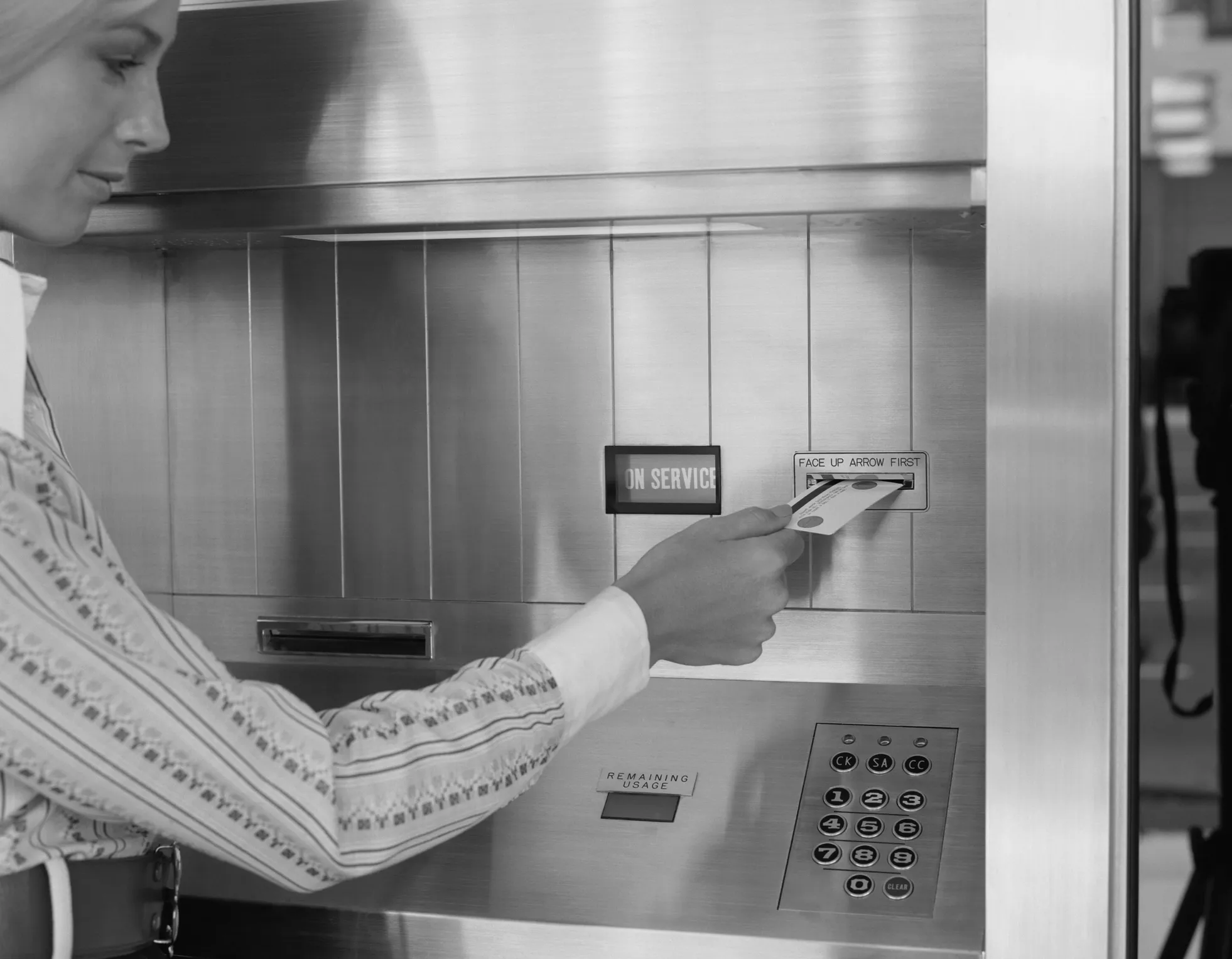
Since their inception, credit cards have become a cornerstone of the American economy. According to Experian data, consumers carry $1.23 trillion in credit card debt, with an average credit card balance of $6,768.
While people have been borrowing money since ancient times, paying with plastic is a relatively new phenomenon. Credit cards trace their modern roots back to the late 19th century, but they didn't really take off until the 1950s. If you've ever wondered how the modern-day credit card began, here's a short history.
For thousands of years, merchants have used credit to help their customers finance purchases.
Some of the earliest written examples of a credit system include the Code of Hammurabi, named after the man who ruled Babylon (present-day Iraq) from 1792 to 1750 B.C. These laws established rules for loaning and paying back money, as well as how interest could be charged.
Historically, a loan was a financial agreement between a single borrower and a single creditor or merchant for a single transaction. Over time, some customers gained the option to "run a tab" with an individual merchant—effectively a revolving line of credit that could be continuously borrowed against and has no fixed payoff date. This is the equivalent of a modern store credit card that's not part of a larger payment network.
Credit has come a long way since ancient times. In the modern era, credit has evolved from niche merchant tools into a foundational part of how Americans pay and borrow. Here's a look at the key milestones that shaped the modern credit card:
1865: Charge coins
The first "credit cards" were actually coins made from metal or celluloid, which listed the issuing retailer's information and an account number.
1914: Metal money
Western Union introduced one of the first metal charge plates. By the 1930s, many retailers issued their own form of metal money, commonly known as Charga-Plates.
1934: Air Travel Card
The Air Transport Association and American Airlines introduced the Air Travel Card as a way for passengers to book immediately and pay later. Within a decade, 17 airlines offered the card.
1946: Charg-It card
A Brooklyn-based banker created the first bank card to drum up new business. Customers could use the Charg-It card with select merchants and be billed later.
1950: First modern credit card
Diners Club rolled out its card, commonly recognized as the first modern credit card, available for use at several retailers.
1969: Magnetic stripes
First attached to a credit card by an engineer at IBM, the magnetic stripe gave credit cards fraud protection that didn't previously exist.
1984: First credit card rewards programs
Diners Club created the first rewards program, Club Rewards.
1994: EMV chips
Europay, Mastercard and Visa partnered to develop EMV chip technology in Europe to provide an extra layer of security beyond magnetic stripes.
1995: First contactless payment
The first contactless payment card was introduced in Korea.
2008: Mobile wallet
Mobile wallets began appearing in the Apple App Store with apps created by third-party developers.
Compare cards from our partners with intro bonuses, cash back or points offers, and annual fees as low as $0.
Offers from our partners
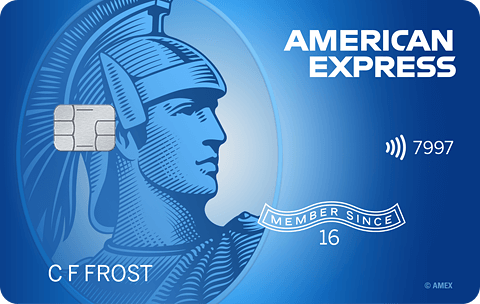
Blue Cash Everyday® Card from American Express
Intro bonus:As High As $200 Cash Back. Find Out Your Offer.
Intro APR:0% on Purchases and Balance Transfers for 15 months
Ongoing APR:19.49%-28.49% Variable
Rewards:1% - 3% (cash back)
Annual Fee:$0
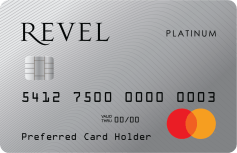
Revel® Platinum Mastercard®
Ongoing APR:35.90% Fixed
Rewards:N/A*
Annual Fee:$75 - $125
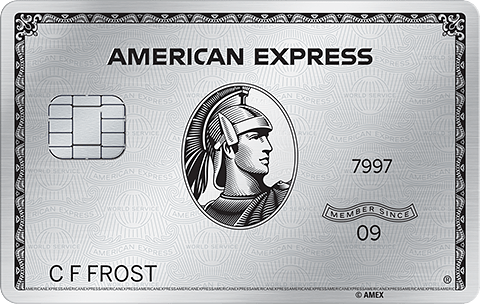
American Express Platinum Card®
Intro bonus:As High As 175,000 points. Find Out Your Offer.
Ongoing APR:See Pay Over Time APR
Rewards:1x - 5x (Points per dollar)
Annual Fee:$895
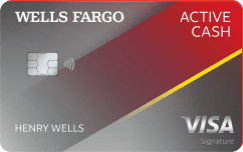
Wells Fargo Active Cash® Card
Intro bonus:$200
Intro APR:0% intro APR for 12 months from account opening on purchases and qualifying balance transfers
Ongoing APR:18.49%, 24.49%, or 28.49% Variable APR
Rewards:2% (Cash Rewards)
Annual Fee:$0
The opensky® Secured Visa® Credit Card
Ongoing APR:23.89% Variable
Rewards:10% (cash back)
Annual Fee:$35
Credit One Bank® American Express® for Rebuilding Credit
Ongoing APR:29.74% Variable
Rewards:1% (cash back)
Annual Fee:$75 First year. $99 thereafter, billed monthly at $8.25

Avant® Mastercard®
Ongoing APR:29.99%*
Rewards:N/A*
Annual Fee:$0*
Citi Strata Premier® Card
Intro bonus:60,000 Points
Ongoing APR:19.49% - 27.49% (Variable)
Rewards:1x - 10x (Points per dollar)
Annual Fee:$95
Costco Anywhere Visa® Card by Citi
Ongoing APR:18.74% - 26.74% (Variable)
Rewards:1% - 5% (cash back)
Annual Fee:$0
First Latitude Secured Mastercard® Cash Back Rewards
Ongoing APR:27.49% Variable
Rewards:1% - 10% (cash back)
Annual Fee:$0
Citi® / AAdvantage® Platinum Select® World Elite Mastercard®
Ongoing APR:19.49% - 29.49% (Variable)
Rewards:2x (Miles per dollar)
Annual Fee:$99, waived for first 12 months

Avant® Cashback Rewards Mastercard®
Ongoing APR:35.99%*
Rewards:1% (cash back)
Annual Fee:$75*
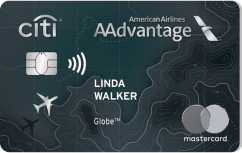
Citi® / AAdvantage® Globe™ Mastercard®
Ongoing APR:19.49% - 29.49% (Variable)
Rewards:1x - 6x (Miles per dollar)
Annual Fee:$350
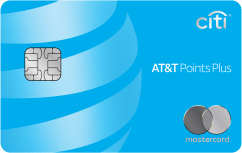
AT&T Points Plus® Card from Citi
Intro bonus:$200
Ongoing APR:19.49% - 27.49% (Variable)
Rewards:1x - 3x (Points per dollar)
Annual Fee:$0

Avant® Cashback Rewards Mastercard®
Ongoing APR:35.99%*
Rewards:1% (cash back)
Annual Fee:$75 first year; then $99/year

Avant® Cashback Rewards Mastercard®
Ongoing APR:35.99%*
Rewards:1% (cash back)
Annual Fee:$39*
Credit One Bank® Platinum Rewards Visa® Card
Ongoing APR:29.74% Variable
Rewards:1% (cash back)
Annual Fee:$39
Credit One Bank® Wander® American Express® Card with Dining, Gas & Travel Rewards
Ongoing APR:29.74% Variable
Rewards:1% - 10% (cash back)
Annual Fee:$95
Credit One Bank® Premier American Express® Unlimited Rewards Card
Ongoing APR:29.74% Variable
Rewards:1% (cash back)
Annual Fee:$0
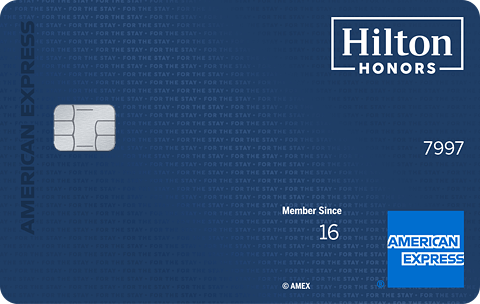
Hilton Honors American Express Surpass® Card
Intro bonus:130,000 Points
Ongoing APR:19.49%-28.49% Variable
Rewards:3x - 12x (Points per dollar)
Annual Fee:$150
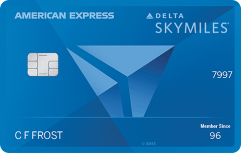
Delta SkyMiles® Blue American Express Card
Intro bonus:10,000 Miles
Ongoing APR:19.49%-28.49% Variable
Rewards:1x - 2x (Miles per dollar)
Annual Fee:$0
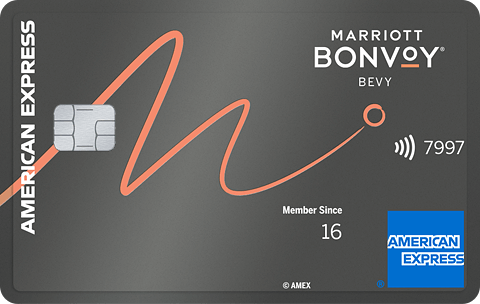
Marriott Bonvoy Bevy® American Express® Card
Intro bonus:125,000 Bonus Points + a $150 Statement Credit
Ongoing APR:19.49%-28.49% Variable
Rewards:2x - 6x (Points per dollar)
Annual Fee:$250
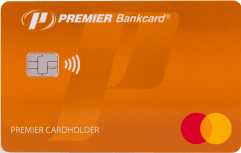
PREMIER Bankcard® Mastercard® Credit Card
Ongoing APR:See Rates & Fees
Rewards:N/A*
Annual Fee:See Rates & Fees
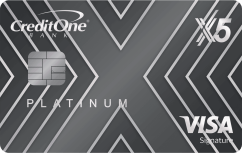
Credit One Bank® Platinum X5 Visa Signature® Metal Card
Ongoing APR:29.74% Variable
Rewards:1% - 5% (cash back)
Annual Fee:$95
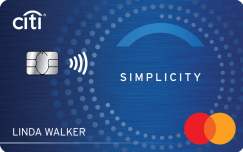
Citi Simplicity® Card
Intro APR:0% intro APR for 18 months from account opening on purchases and qualifying balance transfers
Ongoing APR:17.49% - 28.24% (Variable)
Rewards:N/A*
Annual Fee:$0

Avant® Cashback Rewards Mastercard® - $500 Credit Limit
Ongoing APR:35.99%*
Rewards:1% (cash back)
Annual Fee:$125 first year; then $125.04/year ($10.42/mo)

Avant® Cashback Rewards Mastercard®
Ongoing APR:29.99%*
Rewards:1% (cash back)
Annual Fee:$0*

Avant® Cashback Rewards Mastercard®
Ongoing APR:35.99%*
Rewards:1% (cash back)
Annual Fee:$75*
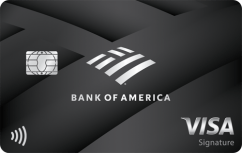
Bank of America® Premium Rewards® credit card
Intro bonus:60,000 Points
Ongoing APR:19.49% - 27.49% Variable
Rewards:1.5x - 2x (Points per dollar)
Annual Fee:$95
Bank of America® Unlimited Cash Rewards credit card
Intro bonus:$250
Intro APR:0% Intro APR on purchases and qualifying balance transfers for 15 billing cycles
Ongoing APR:17.49% - 27.49% Variable
Rewards:1.5% (cash back)
Annual Fee:$0
See all our best credit cards for 2026.
With charge coins, metal money, the Air Travel Card and the Charg-It card paving the way, the first modern credit card was introduced in 1950. Over the next few decades, the industry expanded with other notable credit cards. Here are some of the trailblazers.
The first modern-day credit card was born out of happenstance: Businessman Frank McNamara forgot his wallet while dining out. His wife footed the bill, but McNamara returned a year later with a small cardboard card, the first iteration of the Diners Club card.
The Diners Club card was the first general-use charge card. Cardholders could use it at hundreds of restaurants, hotels and car rental agencies, and then pay their bills in full at a later date each month. Users would pay $5 annually for the service, and merchants would pay a 7% fee on charges.
American Express, which had already been in business for more than a century as a freight and financial services company, introduced its first charge card in 1958. The first transaction was processed using handwritten forms that the merchant needed to mail to the company. Just a few years later, the company began issuing embossed plastic cards.
Also in 1958, Bank of America launched BankAmericard, the first consumer credit card that allowed cardholders to revolve a balance from month to month. The BankAmericard brand was later spun off from the national bank and renamed Visa in 1976, but the BankAmericard credit card remains an offering by the bank.
In 1966, a network of banks formed a joint venture called the Interbank Card Association, releasing a card named the Master Charge. Later, the company absorbed the Everything Card by First National City Bank—now Citibank—and eventually became known as Mastercard in 1979.
In 1986, Sears, Roebuck and Co. launched the Discover Card, announcing the card in a Super Bowl commercial. The card offered one of the first cash back rewards programs. Discover was spun off as a separate company in 1993.
Although the credit cards we carry today don't look much different than they did decades ago, looks can be deceiving. Some of the most impactful innovations in credit card technology improved both convenience and security in subtle (and sometimes hidden) ways.
Developed in the 1960s, magnetic stripes with encoded card information would become the standard for many decades. With the introduction of more secure technology, however, card issuers are starting to phase out the use of magnetic stripes.
CVV codes are three- or four-digit codes printed on credit cards that add extra security for transactions where the card isn't present—for example, online purchases. Mastercard was the first to add CVV codes to its cards in 1997, and other payment processing networks followed suit over the next few years.
Embedded EMV smart chips allow for encrypted, two-way authentication between a merchant's credit card terminal and the payment processing network. The technology also uses one-time-use tokens that are unusable by identity thieves.
EMV technology was first developed in the 1990s and enjoyed widespread adoption in Europe shortly afterward. However, it didn't become the standard in the U.S. until the mid-2010s.
This authentication protocol adds an extra verification step for online purchases. Depending on the card issuer, cardholders may be asked to enter a one-time passcode sent via text message, confirm their identity through a biometric check or answer a security question.
Visa pioneered the technology, launching Verified by Visa in 2001, and other major networks developed their own versions, including Mastercard SecureCode and American Express SafeKey.
In October 2016, EMVCo—the standards body owned by Visa, Mastercard, American Express, Discover, JCB and UnionPay—published the 3D Secure 2.0 specification, which improved fraud detection using additional data points and enabled a smoother, often invisible checkout experience.
NFC for short, near-field communication uses radio waves to allow two devices to communicate with each other wirelessly when they're physically near each other. As with EMV chips, data transmitted via NFC is encrypted to prevent fraud.
The technology is used by digital wallets like Apple Pay and Google Pay, as well as contactless credit cards with a tap-to-pay feature.
Some card issuers allow you to generate a unique card number for online purchases, which keeps your actual account number hidden from merchants.
If a virtual number is compromised in a data breach, you can simply delete it without needing to replace your physical card. Many issuers also let you set spending limits or lock a virtual number to a specific merchant.
Wireless payment technologies are rapidly integrated into smartphones, watches and other wearable platforms. It's unclear what the next major step in credit card technology will be, but some foresee a day when biometric authentication allows consumers to make purchases using a fingerprint or retinal scan without having any object that contains their account information.
The early history of credit cards was somewhat of a Wild West because few regulations existed for the fledgling industry. Between 1968 and 2009, Congress passed several major laws that helped regulate the credit card industry, along with other forms of credit:
The first standardized system for evaluating a consumer's creditworthiness was introduced by the Mercantile Agency in 1841. However, the system was considered flawed due to the subjective judgments it made about borrowers.
The Fair Credit Reporting Act of 1970 later established the legal framework that shaped the modern credit reporting industry, including requirements for accuracy, consumer access and dispute rights.
As the consumer credit reporting industry grew throughout the later 20th century, an industry with thousands of local and regional credit bureaus evolved into three national agencies: Experian, TransUnion and Equifax.
These bureaus collect and maintain credit information on hundreds of millions of consumers and supply the data that powers modern credit scores.
As the consumer credit reporting industry grew, attempts were made to quantify credit report information in an easy-to-understand way. In 1956, Bill Fair and Earl Isaac founded Fair, Isaac and Co. Now known as FICO, the company developed its first credit scoring system in 1958. However, it wasn't until 1989 that the FICO® Score started being used by lenders to evaluate borrowers.
The FICO® Score quickly gathered steam to become the most widely used credit scoring model, utilized by 90% of top lenders, according to FICO. It's also undergone several updates to provide more fair and predictive information about consumer credit profiles.
In recent years, the VantageScore credit score—developed in a 2006 joint venture by Experian, TransUnion and Equifax—has emerged as an alternative credit scoring model. Additionally, some financial technology companies have pioneered the use of nontraditional credit information, including income and expenses, as well as other factors.
While credit cards can trace their roots back more than two centuries, the payment method we know today has only been around for a little more than 70 years. Since then, legislators have created various consumer protections for credit card users, and credit card companies have developed an array of incentives for consumers to use their products for everyday spending.
While credit cards offer convenience, security, rewards and perks, they also generally carry a higher interest rate than loans and other types of debt. What's more, maintaining a high balance on one or more of your credit cards can damage your credit score if it raises your credit utilization ratio. That said, using a credit card responsibly can help you build credit.
To take advantage of the benefits credit cards have to offer while minimizing their potential downsides, make it a priority to maintain a low balance and to pay that balance in full each month. You can also monitor your credit regularly to understand how your credit card usage impacts your credit score and get insights on how to improve and maintain good credit.
Apply for credit cards confidently with personalized offers based on your credit profile. Get started with your FICO® Score for free.
See your offers
Ben Luthi
Ben Luthi has worked in financial planning, banking and auto finance, and writes about all aspects of money. His work has appeared in Time, Success, USA Today, Credit Karma, NerdWallet, Wirecutter and more.
Read more from Ben