
 By Ben Luthi
 Edited by Michelle TipswordBy Ben LuthiEdited by Michelle Tipsword
When building credit from scratch, it takes at least six months to generate your first FICO Score, though VantageScore® provides a score much faster. Either way, reaching good credit can take a year or more, depending on your habits and starting point.

If you don't have a credit history, it takes time to establish one, and even longer to build a score that opens doors to better rates and terms. Here's what you need to know about the credit-building process, including how long it takes, what affects your score and how to get started.
The timeline depends on which scoring model a lender uses, what your credit report contains and how responsibly you manage your accounts. One thing is consistent, though: Building a solid credit history often takes years, not months.
To generate a FICO® ScoreΘ, your credit file must include at least one account that has been open for six months or more and at least one account that has been reported to the credit bureaus within the past six months.
VantageScore® credit scores, on the other hand, have no minimum history requirement. You can receive a VantageScore as soon as you have a credit account on file with a credit bureau—potentially within your first month.
But having a score is just the beginning. A thin credit file—generally considered fewer than five credit accounts—can still make it harder to qualify for favorable financing terms, even if your score is technically in a good range.
Learn more: How to Build Credit: A Comprehensive Guide
A credit score is a three-digit number, typically ranging from 300 to 850, that reflects the information in your credit report. Lenders use it to evaluate how likely you are to repay what you borrow. The two most widely used are the FICO® Score and VantageScore credit scoring models.
| Factor | Weight |
|---|---|
| Payment history | 35% |
| Amounts owed | 30% |
| Length of credit history | 15% |
| New credit | 10% |
| Credit mix | 10% |
| Factor | Weight |
|---|---|
| Payment history | Extremely influential |
| Total credit usage | Highly influential |
| Credit mix and experience | Highly influential |
| New accounts opened | Moderately influential |
| Balances and available credit | Less influential |
Both models weigh similar factors, though the exact formulas differ. Here's how FICO breaks down its scoring factors:
There are several reasons you might not have a credit score yet:
Learn more: Is No Credit Better than Bad Credit?
If you're starting from scratch, your options are more limited than someone with established credit, but there's still a lot you can do.
Experian Go™ is a free program that creates an Experian credit report in your name and offers tools to help you start building credit. It's a practical first step if you have no credit history at all.
Several types of credit cards are designed for people with little or no credit:
Learn more: Different Types of Credit Cards
Credit-builder loans are designed specifically to help you build credit. The lender holds the loan funds in a savings or certificate of deposit (CD) account while you make payments, then releases the money to you at the end of the term.
Because the lender isn't taking on much risk, some of these loans come with reasonable rates. Just make sure the lender reports to all three credit bureaus.
A parent, spouse or trusted family member can add you to their credit card account as an authorized user. You'll benefit from their account history without being responsible for payments. The key is choosing someone with excellent credit habits.
It's unlikely you'll see meaningful credit score improvement in just 30 days, especially if you're starting from nothing.
To generate a FICO® Score at all, you need at least six months of credit history. And reaching a good score requires consistent, responsible habits over time: on-time payments, low utilization and a growing account history. These things take months to years, not weeks.
That said, it's possible to see some movement in a shorter timeframe. Paying down a high credit card balance can reduce your utilization rate, which may improve your score once your lender reports the updated balance to the bureaus. But that's an optimization move, not a foundation-building one.
The realistic approach is to open an appropriate credit account, use it responsibly, pay your bill on time every month and let the time work in your favor.
You can't shortcut the timeline entirely, but these strategies can help you make the most of it:
Learn more: How to Improve Your Credit Score
Sign up and get instant online access to your FICO® Score for free.

Checking your own credit won’t lower your credit scores.
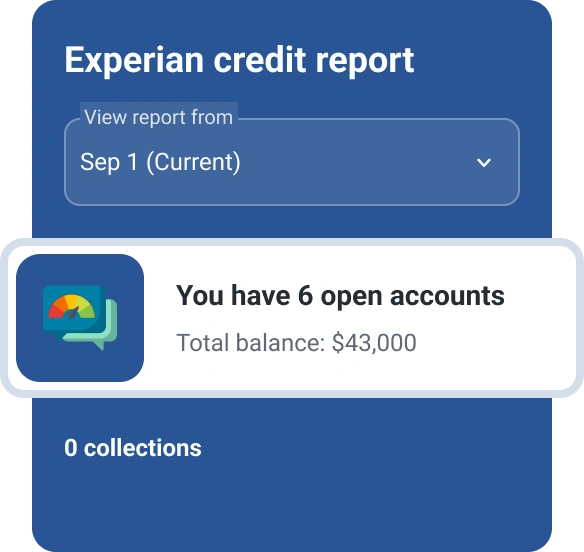
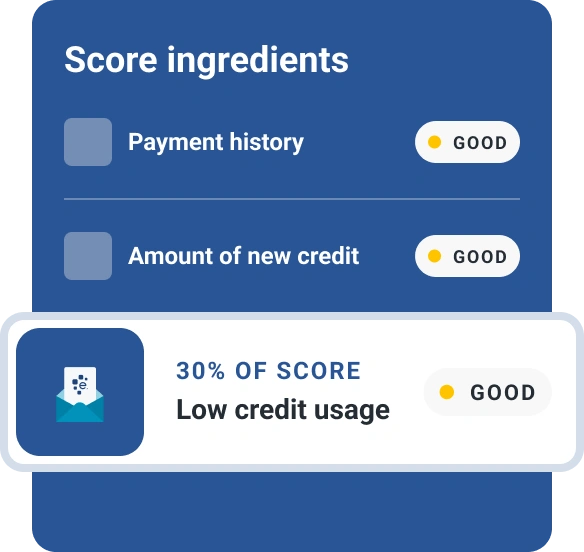
View specific factors that are affecting your score and how to improve it.
Rebuilding credit is different from building it from scratch. If you have negative marks on your report, such as late payments, collections or a bankruptcy, you're working against existing damage while trying to add positive history.
Because every situation is different, it's hard to provide a good estimate of how long it can take to rebuild credit. But here are a few things to consider:
All in all, the path to rebuilding credit looks similar to building it from scratch: Open responsible accounts, pay on time and keep utilization low. As you work to improve your credit, regularly checking your credit scores can help you track your progress and get credit insights along the way.
Learn more: How Long Does It Take to Repair Your Credit?
Building credit is a long game, but every on-time payment and responsible account decision moves you forward. Once you have a score, Experian's free credit monitoring service gives you free access to your FICO® Score and Experian credit report, plus real-time alerts when something changes.
That way, you'll always know where you stand and can catch any issues before they set you back in your progress.
Learn what it takes to achieve a good credit score. Review your FICO® Score for free and see what’s helping and hurting your score.
Get your FICO® ScoreNo credit card required

Ben Luthi
Ben Luthi has worked in financial planning, banking and auto finance, and writes about all aspects of money. His work has appeared in Time, Success, USA Today, Credit Karma, NerdWallet, Wirecutter and more.
Read more from Ben