
14 “Fine Print” Items in a Credit Card Contract You Need to Know

Quick Answer
Although many credit cards essentially work the same way, there are fine-print differences that can have a major impact. From the fees and interest rates to the reward program rules, reading the fine print can help you avoid mistakes.

Credit card offers and agreements always have some fine print. You don't necessarily need to worry about it all, but you also don't want to ignore it completely. While the exact terms you'll want to review depend on the type of credit card and how you plan to use it, here are 14 items you may want to look over before applying.
Where Can You Find a Credit Card's Fine Print?
Credit card fine print could include a wide range of fees, rates, eligibility requirements and reward program rules. You can find much of the fine print within your credit card's terms and conditions or cardholder agreement.
Some of these aren't really hiding. In fact, many of the most important rates and fees are in a standardized "Schumer box" (named after Sen. Chuck Schumer) at the top of the form and in your monthly credit card statements. Other information, such as reward program rules, may be listed lower. Or, the cardholder agreement might link you to a page on the card issuer's website that you'll have to visit to learn more about the rewards program.
In some cases, you'll also want to look over the application page's fine print to learn more about intro offer requirements and restrictions. Offers may vary depending on whether you apply directly with the card issuer, receive a referral or apply via a partner.
14 Fine Print Items to Review in Your Credit Card Agreement
1. Annual Fee
A card's annual fee will likely be prominently displayed on the application, in credit card reviews and in the cardholder agreement. You'll often pay this fee when you first get the credit card—some cards waive the fee the first year to attract new applicants—and again each cardholder anniversary.
If you decide the annual fee isn't worth it, you can close your card before your cardholder anniversary to avoid another charge. Or, in some cases, close it shortly after you're charged the fee and you'll get a refund. However, review the fine print for what happens if this is a new credit card. Some card issuers might retroactively take back intro offer rewards if you close your card within the first 12 months.
Best credit cards of 2026
Compare cards from our partners with intro bonuses, cash back or points offers, and annual fees as low as $0.
Offers from our partners

Wells Fargo Reflect® Card
Intro APR:0% intro APR for 21 months from account opening on purchases and qualifying balance transfers
Ongoing APR:17.49%, 23.99%, or 28.24% Variable APR
Rewards:N/A*
Annual Fee:$0
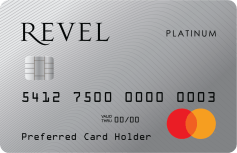
Revel® Platinum Mastercard®
Ongoing APR:35.90% Fixed
Rewards:N/A*
Annual Fee:$75 - $125

American Express Platinum Card®
Intro bonus:As high as 175,000 points. Find out your offer.
Ongoing APR:See Pay Over Time APR
Rewards:1x - 5x (Points per dollar)
Annual Fee:$895

Wells Fargo Active Cash® Card
Intro bonus:$200
Intro APR:0% intro APR for 12 months from account opening on purchases and qualifying balance transfers
Ongoing APR:18.49%, 24.49%, or 28.49% Variable APR
Rewards:2% (Cash Rewards)
Annual Fee:$0

Avant® Cashback Rewards Mastercard®
Ongoing APR:29.99%*
Rewards:2% (cash back)
Annual Fee:$0*

The opensky® Secured Visa® Credit Card
Ongoing APR:23.89% Variable
Rewards:10% (cash back)
Annual Fee:$35

Credit One Bank® American Express® for Rebuilding Credit
Ongoing APR:29.74% Variable
Rewards:1% (cash back)
Annual Fee:$75 First year. $99 thereafter, billed monthly at $8.25

Blue Cash Preferred® Card from American Express
Intro bonus:As High As $300 Cash Back. Find Out Your Offer.
Intro APR:0% on Purchases and Balance Transfers for 12 months
Ongoing APR:19.49%-28.49% Variable
Rewards:1% - 6% (cash back)
Annual Fee:$0 intro annual fee for the first year, then $95.
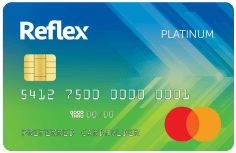
Reflex® Platinum Mastercard®
Ongoing APR:35.90% Fixed
Rewards:N/A*
Annual Fee:$75 - $125

Avant® Mastercard®
Ongoing APR:35.99%*
Rewards:N/A*
Annual Fee:$0*

Credit One Bank® Secured Card
Ongoing APR:29.74% Variable
Rewards:1% (cash back)
Annual Fee:$0

Avant® Cashback Rewards Mastercard®
Ongoing APR:35.99%*
Rewards:1% (cash back)
Annual Fee:$0*
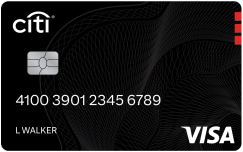
Costco Anywhere Visa® Card by Citi
Ongoing APR:18.74% - 26.74% (Variable)
Rewards:1% - 5% (cash back)
Annual Fee:$0

American Express® Gold Card
Intro bonus:As High As 100,000 points. Find Out Your Offer.
Ongoing APR:See Pay Over Time APR
Rewards:1x - 5x (Points per dollar)
Annual Fee:$325

First Latitude Secured Mastercard® Cash Back Rewards
Ongoing APR:27.49% Variable
Rewards:1% - 10% (cash back)
Annual Fee:$0
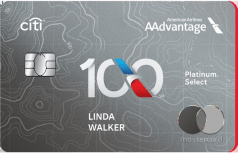
Citi® / AAdvantage® Platinum Select® World Elite Mastercard®
Ongoing APR:19.49% - 29.49% (Variable)
Rewards:2x (Miles per dollar)
Annual Fee:$99, waived for first 12 months

Avant® Cashback Rewards Mastercard®
Ongoing APR:35.99%*
Rewards:1% (cash back)
Annual Fee:$75*

Avant® Cashback Rewards Mastercard®
Ongoing APR:35.99%*
Rewards:1% (cash back)
Annual Fee:$75 first year; then $99/year

Avant® Cashback Rewards Mastercard®
Ongoing APR:35.99%*
Rewards:1% (cash back)
Annual Fee:$39*

First Progress Prestige Secured Mastercard® Cash Back Rewards
Ongoing APR:13.49% Variable
Rewards:1% - 10% (cash back)
Annual Fee:$49

First Progress Select Secured Mastercard® Cash Back Rewards
Ongoing APR:17.49% Variable
Rewards:1% - 10% (cash back)
Annual Fee:$39

Credit One Bank® Wander® American Express® Card with Dining, Gas & Travel Rewards
Ongoing APR:29.74% Variable
Rewards:1% - 10% (cash back)
Annual Fee:$95
Hilton Honors American Express Card
Intro bonus:100,000 Points
Ongoing APR:19.49%-28.49% Variable
Rewards:3x - 7x (Points per dollar)
Annual Fee:$0
Marriott Bonvoy Brilliant® American Express® Card
Intro bonus:100,000 Points
Ongoing APR:19.49%-28.49% Variable
Rewards:2x - 6x (Points per dollar)
Annual Fee:$650
Delta SkyMiles® Platinum American Express Card
Intro bonus:As High As 90,000 Bonus Miles. Find Out Your Offer.
Ongoing APR:19.49%-28.49% Variable
Rewards:1x - 3x (Miles per dollar)
Annual Fee:$350

Hilton Honors American Express Surpass® Card
Intro bonus:130,000 Points
Ongoing APR:19.49%-28.49% Variable
Rewards:3x - 12x (Points per dollar)
Annual Fee:$0 introductory annual fee, then $150.
Marriott Bonvoy Bevy® American Express® Card
Intro bonus:85,000 Points
Ongoing APR:19.49%-28.49% Variable
Rewards:2x - 6x (Points per dollar)
Annual Fee:$250
PREMIER Bankcard® Mastercard® Credit Card
Ongoing APR:See Rates & Fees
Rewards:N/A*
Annual Fee:See Rates & Fees

Avant® Cashback Rewards Mastercard® - $500 Credit Limit
Ongoing APR:35.99%*
Rewards:1% (cash back)
Annual Fee:$125 first year; then $125.04/year ($10.42/mo)

Avant® Cashback Rewards Mastercard®
Ongoing APR:35.99%*
Rewards:1% (cash back)
Annual Fee:$75*
See all our best credit cards for 2026.
2. Purchase Annual Percentage Rate (APR)
Your card's purchase APR will determine how much interest accrues on your credit card's purchase balance. You can generally avoid accruing interest if you pay your bill in full each month. However, if you revolve a balance, you'll start to accrue interest on the amount you carry over from the previous billing cycle. You'll also generally start to immediately accrue interest on new purchases until you've paid off your card in full.
Many credit cards have a variable APR, and your rate may automatically change based on benchmark rates. If interest rates are rising, you might see your card's purchase APR rise as well. If you're carrying a balance, keep an eye on your card's rate and see if you can lower your APR.
3. Penalty APR
A penalty APR is a higher APR that may apply to your credit card if you miss a payment. Initially, the penalty APR might only apply to new transactions. But if you fall 60 days past due, the penalty APR can also apply to existing balances.
You may be able to avoid this by setting up automatic payments for at least your minimum payment amount. And, if you have a penalty APR, you might be able to get your standard APR back after making six consecutive on-time payments. However, review your card's fine print to see if and when the card issuer will use a penalty APR.
4. Cash Advance APR and Rules
Your credit card may charge a different interest rate if you use the card to get a cash advance. The cash advance APR generally applies to cash advances immediately, even if you've paid your balances in full, and it's often higher than a card's standard purchase APR.
Review the fine print to see your card's cash advance APR and what your card issuer considers a cash advance. In addition to using your credit card to get cash from an ATM, card issuers might consider cash-like transactions, such as buying cryptocurrencies or peer-to-peer money transfers, to be cash advances.
5. Balance Transfer APR
Credit cards may also have a separate APR for balances that you transfer to the credit card. Often, the standard APRs are the same for balance transfers and purchases, but your rates could be different if you receive an intro APR offer on a new balance transfer credit card. Or, if your card issuer offers you a lower balance transfer or purchase APR on one of your current credit cards.
6. Intro APR Offers
If you're opening a new credit card, you may receive a promotional introductory APR on your purchases, balances transfers or both. It's important to review the requirements and terms for receiving and using one of these intro offers. For example, you might only receive the intro 0% balance transfer APR on transfers that you complete within 60 days of opening your card.
Also, be mindful of what happens if you have an APR offer for balance transfers but not purchases. In some cases, your purchases might accrue interest immediately because you're carrying a balance—even though that balance isn't accruing interest. Also, consider when the promotional period ends and try to have a plan for paying down your balance before the standard APR starts.
7. Deferred Interest Offers
Some credit cards—generally, store cards—have deferred interest offers. These might seem like other intro 0% APR offers, but there's an important difference.
With non-deferred credit card intro APR offers, your remaining balance at the end of the promotional period starts to accrue interest based on your standard purchase or balance transfer APR. But with deferred interest, if you don't pay off the entire balance during the promotional period, you get charged all the retroactive interest that would have accrued since you opened the card.
8. Balance Transfer Fee
Credit cards generally charge a fee each time you transfer a balance to the card. The balance transfer fee is often around 3% to 5% of the amount you transfer, with a $5 to $10 minimum per transfer. Review your card's terms to see what the fee is and when it applies.
Sometimes, intro balance transfer APR offers will also have a promotional balance transfer fee for transfers that you complete shortly after opening your card. When you compare different balance transfer card offers, consider how much you'll spend in fees and how much you can save during the promotional period.
9. Foreign Transaction Fee
Credit cards' foreign transaction fees may apply anytime you use the credit card while outside the U.S. and when you purchase something online in a foreign currency. The fees can vary, although they're often around 3% of each transaction amount. Some credit cards—premium and travel cards in particular—don't have foreign transaction fees.
10. Uncommon Fees
Although you can find cards without them, annual, balance transfer and foreign transaction fees are relatively common credit card fees that will be in the Schumer box.
However, you may also want to review the fine print in your card agreement for uncommon fees. Some of these, such as an upfront program fee or monthly fee, might also be in the box. But there could also be charges for requesting a physical copy of your bill or making payments by phone that will only be in the fine print below.
These fees tend to be more prevalent on credit cards that don't require a good credit score. However, there are credit cards for bad credit that also don't have these fees.
11. Intro Bonus Terms
You can use some of the best intro bonus card offers to earn hundreds of (sometimes well over a thousand) dollars' worth of rewards. Although these welcome bonuses can be enticing, review the fine print to make sure you qualify and can meet the requirements.
For example, you might not be eligible if you got a welcome offer for a similar card within the last few years. You also might earn and then lose the bonus if you close your card or return purchases that you made to meet a spending requirement.
12. Reward Program Category Rules
There are common credit card rewards bonus categories, such as travel, dining, gas and groceries. However, card issuers may have different definitions for what they include in each category. For example, one card issuer might consider taxis, toll bridges, parking garages and campgrounds as part of their travel category. Another might have a much narrower definition of travel that focuses on airfare, rental cars, cruises and hotels or motels.
Sometimes there are exclusions, such as purchases at non-U.S. merchants within the category or gasoline purchased from a warehouse club or supermarket gas station. Occasionally, there are specific exclusions that rule out every purchase from particular retailers. You'll generally still earn the base rewards per dollar, but the purchases just won't count toward any bonus category rewards.
13. Statement Credit Rules
Some credit cards offer statement credits to offset certain purchases, such as airline fees or delivery app purchases. Make sure you read the fine print closely to see what qualifies as an eligible purchase and how the benefit works. For example, a website might highlight how much you can get back each year. However, you receive a monthly statement credit that you have to use or lose each month.
14. Additional Cardholder Benefits
Credit cards may also offer various purchase and travel benefits. Some of these might not be as good as they sound. Make sure you understand how these work so you don't wind up assuming you have protection when you don't.
Rental car insurance, for instance, is often secondary coverage and the credit card benefit only covers damage or theft of the rental car. If you rent a car using your card and get in a wreck, you might have to file a claim with your auto insurance first. And if you hurt someone else or damage someone's property, the credit card benefit won't cover those liability claims.
Compare Your Credit Card Offers
You may want to compare different credit cards and card offers to see which looks most appealing, and then review the fine print to figure out which card actually makes the most sense right now. Experian's card comparison tool can help. You can look through partner credit cards based on the type of card, card issuer or your credit. And, after creating an account, get personalized card offers based on your credit profile.
Don’t apply blindly
Apply for credit cards confidently with personalized offers based on your credit profile. Get started with your FICO® Score for free.
See your offers
About the author

Louis DeNicola
Louis DeNicola is freelance personal finance and credit writer who works with Fortune 500 financial services firms, FinTech startups, and non-profits to teach people about money and credit. His clients include BlueVine, Discover, LendingTree, Money Management International, U.S News and Wirecutter.
Read more from Louis