 By Jim Akin
 Edited by Michelle TipswordBy Jim AkinEdited by Michelle Tipsword
Becoming an authorized user on someone else’s credit card can help you build credit. In order to build a good credit score, the primary account owner needs to have a good credit score and responsibly manage the account.

Becoming an authorized user on someone else's credit card account can be a great way to establish or improve your credit history, provided the primary owner of the account has good credit management habits and solid credit scores. Here's what to know about becoming an authorized user and how it can help you begin building credit.
An authorized user is a secondary account holder on a credit card. Authorized users receive a card with their name on it, and the account's credit limit and payment history will appear on the authorized user's credit report. This can give them a jump-start in establishing or building a credit history.
As an authorized user on a credit card, you can make purchases with the card (assuming the primary account owner agrees), but you are not responsible for paying the bill each month. The primary account holder will be able to see all your transactions and may ask you to reimburse them for charges, but they are solely responsible for making monthly payments on the account.
Compare cards from our partners with intro bonuses, cash back or points offers, and annual fees as low as $0.
Offers from our partners
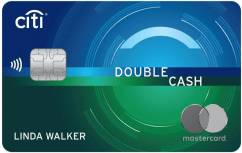
Citi Double Cash® Card
Intro APR:0% for 18 months on Balance Transfers
Ongoing APR:17.49% - 27.49% (Variable)
Rewards:2% (cash back)
Annual Fee:$0
Blue Cash Everyday® Card from American Express
Intro bonus:As High As $200 Cash Back. Find Out Your Offer.
Intro APR:0% on Purchases and Balance Transfers for 15 months
Ongoing APR:19.49%-28.49% Variable
Rewards:1% - 3% (cash back)
Annual Fee:$0
Wells Fargo Reflect® Card
Intro APR:0% intro APR for 21 months from account opening on purchases and qualifying balance transfers
Ongoing APR:17.49%, 23.99%, or 28.24% Variable APR
Rewards:N/A*
Annual Fee:$0
American Express Platinum Card®
Intro bonus:As high as 175,000 points. Find out your offer.
Ongoing APR:See Pay Over Time APR
Rewards:1x - 5x (Points per dollar)
Annual Fee:$895
Wells Fargo Active Cash® Card
Intro bonus:$200
Intro APR:0% intro APR for 12 months from account opening on purchases and qualifying balance transfers
Ongoing APR:18.49%, 24.49%, or 28.49% Variable APR
Rewards:2% (Cash Rewards)
Annual Fee:$0
Discover it® Cash Back
Intro bonus:Cashback Match™
Intro APR:0% intro APR for 15 months on Purchases and Balance Transfers
Ongoing APR:17.49% - 26.49% Variable APR
Rewards:1% - 5% (cash back)
Annual Fee:$0
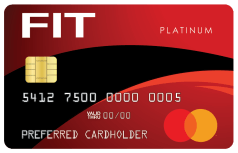
FIT™ Platinum Mastercard® - $400 Credit Limit
Ongoing APR:35.90% Fixed
Rewards:N/A*
Annual Fee:$99 first year; $125 thereafter

Avant® Cashback Rewards Mastercard®
Ongoing APR:29.99%*
Rewards:2% (cash back)
Annual Fee:$0*
The opensky® Secured Visa® Credit Card
Ongoing APR:23.89% Variable
Rewards:10% (cash back)
Annual Fee:$35
Credit One Bank American Express® Card for Rebuilding Credit
Ongoing APR:29.74% Variable
Rewards:1% (cash back)
Annual Fee:$75 First year. $99 thereafter, billed monthly at $8.25
Blue Cash Preferred® Card from American Express
Intro bonus:As High As $300 Cash Back. Find Out Your Offer.
Intro APR:0% on Purchases and Balance Transfers for 12 months
Ongoing APR:19.49%-28.49% Variable
Rewards:1% - 6% (cash back)
Annual Fee:$0 intro annual fee for the first year, then $95.
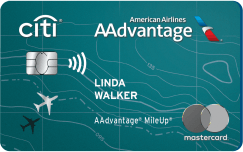
American Airlines AAdvantage® MileUp® Card
Intro APR:0% for 15 months on Balance Transfers
Ongoing APR:19.49% - 29.49% (Variable)
Rewards:2x (Miles per dollar)
Annual Fee:$0
Costco Anywhere Visa® Card by Citi
Ongoing APR:18.74% - 26.74% (Variable)
Rewards:1% - 5% (cash back)
Annual Fee:$0
American Express® Gold Card
Intro bonus:As high as 100,000 points. Find out your offer.
Ongoing APR:See Pay Over Time APR
Rewards:1x - 4x (Points per dollar)
Annual Fee:$325

Avant® Cashback Rewards Mastercard®
Ongoing APR:35.99%*
Rewards:1% (cash back)
Annual Fee:$75*
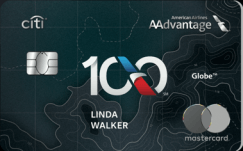
Citi® / AAdvantage® Globe™ Mastercard®
Ongoing APR:19.49% - 29.49% (Variable)
Rewards:1x - 6x (Miles per dollar)
Annual Fee:$350

Avant® Cashback Rewards Mastercard®
Ongoing APR:35.99%*
Rewards:1% (cash back)
Annual Fee:$39*
First Progress Select Secured Mastercard® Cash Back Rewards
Ongoing APR:17.49% Variable
Rewards:1% - 10% (cash back)
Annual Fee:$39
Credit One Bank® Platinum Visa®
Ongoing APR:29.74% Variable
Rewards:1% (cash back)
Annual Fee:$39
Credit One Bank® Wander® American Express® with Dining, Gas & Travel Rewards
Ongoing APR:29.74% Variable
Rewards:1% - 10% (cash back)
Annual Fee:$95
Hilton Honors American Express Card
Intro bonus:70,000 Points
Ongoing APR:19.49%-28.49% Variable
Rewards:3x - 7x (Points per dollar)
Annual Fee:$0
Marriott Bonvoy Brilliant® American Express® Card
Intro bonus:200,000 Points
Ongoing APR:19.49%-28.49% Variable
Rewards:2x - 6x (Points per dollar)
Annual Fee:$650
Discover it® Miles
Intro bonus:Discover Match®
Intro APR:0% intro APR for 15 months on Purchases and Balance Transfers
Ongoing APR:17.49% - 26.49% Variable APR
Rewards:1.5x (Miles per dollar)
Annual Fee:$0
Delta SkyMiles® Reserve American Express Card
Intro bonus:As High As 100,000 Bonus Miles. Find Out Your Offer.
Ongoing APR:19.49%-28.49% Variable
Rewards:1x - 3x (Miles per dollar)
Annual Fee:$650
Delta SkyMiles® Gold American Express Card
Intro bonus:As High As 80,000 Bonus Miles. Find Out Your Offer.
Ongoing APR:19.49%-28.49% Variable
Rewards:1x - 2x (Miles per dollar)
Annual Fee:$0 introductory annual fee for the first year, then $150.
Delta SkyMiles® Blue American Express Card
Intro bonus:10,000 Miles
Ongoing APR:19.49%-28.49% Variable
Rewards:1x - 2x (Miles per dollar)
Annual Fee:$0
PREMIER Bankcard® Mastercard® Credit Card
Ongoing APR:See Rates & Fees
Rewards:N/A*
Annual Fee:See Rates & Fees
One Key™ Card
Intro bonus:$300
Ongoing APR:18.49%, 23.49%, or 28.49% Variable APR
Rewards:1.5x - 3x (Points per dollar)
Annual Fee:$0
One Key+™ Card
Intro bonus:$350
Ongoing APR:18.49%, 23.49%, or 28.49% Variable APR
Rewards:2x - 3x (Points per dollar)
Annual Fee:$99

Avant® Cashback Rewards Mastercard®
Ongoing APR:35.99%*
Rewards:1% (cash back)
Annual Fee:$0*
See all our best credit cards for 2026.
In many instances, a card owner can name anyone as an authorized user, including minor children. Some card issuers set a minimum age for authorized users, such as 13, but many card issuers have no minimum age requirement. Because the primary cardholder assumes responsibility for all charges made by authorized users, no credit application is required of an authorized user, nor are they subject to eligibility requirements such as credit checks or income declarations.
Becoming an authorized user is typically most beneficial for new credit users or for individuals with credit scores that have been hurt by negative entries on their credit reports, such as late payments, recent bankruptcies or foreclosures. Becoming an authorized user can help your credit several ways, provided that the following two criteria are met:
Here are some ways becoming an authorized user can help your credit
Payment history is the single most important influence on credit scores, responsible for about 35% of your FICO® ScoreΘ, the score used by 90% of top lenders. When an account to which you've been added as an authorized user appears on your credit reports, so does its payment history.
If you're brand new to credit, becoming an authorized user could add years of payments to your credit history. And, if those payments were all made on time, they can benefit your credit scores significantly.
Learn more: What Affects Your Credit Scores?
The percentage of your available revolving credit tied up in outstanding balances is known as your credit utilization rate. Credit utilization is responsible for about 30% of your FICO® Score.
Credit scoring systems such as the FICO® Score and VantageScore® credit score models consider the utilization rate for each of your credit cards and other revolving accounts, as well as your total utilization—the sum of all your revolving credit balances as a percentage of the sum of your credit limits. You should aim to keep both your total credit utilization and the utilization on each of your cards below 30%.
If you have balances on credit cards of your own, adding an authorized user account with a high credit limit and/or a low balance could lower your utilization rate and benefit your credit score.
Example: Let's say you have one credit card in your own name. You have a $2,000 credit limit and an outstanding balance of $900. To find your credit utilization, you divide your balance by your total credit. Your credit utilization in this case is 45%.
Then, say you become an authorized user on a card with a $8,000 credit limit and a balance of $1,100. Your new credit utilization is equal to the sum of your balances divided by your total credit. So, in this case, that's ($900 + $1,100) / ($2,000 + 8,000). Simplifying, you get $2,000 / $10,000. That comes out to 20%. So, in this case, being added as an authorized user would lower your overall utilization ratio.
Be aware: Becoming an authorized user doesn't affect the balances on your other cards. But, it can still sometimes cause your overall utilization to drop significantly.
Length of credit history, a measure that sums up your longevity and experience as a debt manager, accounts for about 15% of your FICO® Score. It's a calculation that encompasses the number of months since you opened your oldest credit account, the number of months since you opened your most recent account and the average ages of all your active credit accounts.
All other factors being equal, a credit user with a lengthy age of accounts will tend to have higher credit scores than one with a shorter age of accounts, so becoming an authorized user on an account that's older than any of your other ones could benefit your credit scores.
Learn more: How Does Length of Credit History Affect Credit Score
There are at least two potential drawbacks to becoming an authorized user on someone else's credit card: one involving the primary cardholder's credit habits, and the other concerning your own.
Sharing a credit card with a less-than-reliable credit user could hurt you: If the account owner missed a scheduled payment by 30 days or more in the recent past (or might do so in the future), their credit scores will likely suffer and yours could as well. Experian doesn't include negative information such as late payments on authorized users' credit reports, so in this scenario, credit scores based on your Experian data wouldn't hurt you—but scores based on data from other credit bureaus might. Credit utilization, however, is noted on your reports and could have a positive or negative effect.
Tip: If a loved one is offering to add you to their card, it may be worth asking to see their credit report first. That can help you avoid inheriting a less-than-perfect credit history. Also, remember that you can always remove yourself from the account if you choose.
Becoming an authorized user can mean a major increase in your credit limit, and all that newfound purchasing power can be hard for some people to resist. A major buying spree that runs up the utilization rate on the card could have negative consequences for the primary cardholder's credit, for your relationship with the cardholder and, possibly, for your own credit.
If you have trouble setting boundaries on your buying urges, be sure to talk with the primary cardholder about spending guidelines and consider becoming an authorized user on someone's card that allows the primary owner to set spending limits for authorized users.
If you'd like to build your credit by becoming an authorized user on someone else's credit card, here's one approach:
Becoming an authorized user is just one of many ways you can start building credit. Here's a list of tried-and-true techniques—whether you're just establishing credit or need to recover from a mishap:
Learn more: How to Build Credit: A Comprehensive Guide
Becoming an authorized user on a credit card account owned by an experienced, reliable credit manager can be a great way to jump-start your credit history (or rebuild one that's seen better days). To get the most benefit, it's important to set clear ground rules from the beginning on how you'll each manage the account.
You can watch the impact of becoming an authorized user on your credit in real time, by signing up for free credit monitoring through Experian. You'll also get personalized insights on other steps you could take to improve your credit scores.
Use Experian Boost® to get credit for the bills you already pay like utilities, mobile phone, video streaming services and now rent.
No credit card required

Jim Akin
Jim Akin is freelance writer based in Connecticut. With experience as both a journalist and a marketing professional, his most recent focus has been in the area of consumer finance and credit scoring.
Read more from Jim