
 By Ben Luthi
 Edited by Michelle TipswordBy Ben LuthiEdited by Michelle Tipsword
You can establish credit by becoming an authorized user, getting a secured credit card, taking out a credit-builder loan, adding a cosigner or getting credit for the bills you already pay.

Building a credit history can feel like a daunting process, especially if you're unsure where to start. The good news is that you have several proven options, including secured credit cards, credit-builder loans and more. Here are six different ways you can start establishing your credit and how each one works.
Getting added as an authorized user on someone else's credit card account can provide an instant benefit to your credit score. Once you're added to the account, the card issuer reports the account's history to the credit reporting agencies, which then add it to your credit report.
If your loved one has always paid on time and maintains a relatively low balance, this can help you establish a limited credit history quickly, opening up more opportunities to build from there.
Be aware: Many credit card issuers won't report authorized user activity to the credit bureaus if you're under 18, which means the account won't help you start building a credit history until you reach the issuer's minimum age. Check the issuer's policy before getting added.
Unlike traditional unsecured credit cards, secured credit cards require an upfront security deposit, which is typically equal to your card's credit limit.
To build credit with a secured card, use it regularly and pay your monthly bill on time. Try to pay it in full each month to avoid interest charges. It's also important to keep your balance relatively low compared with your credit limit. The lower your credit utilization rate, the better for your credit scores.
In some cases, secured card issuers will convert your account to an unsecured card after a period of responsible use and return your deposit without requiring you to close the account.
Tip: Make sure that any secured card you apply for reports to all three credit bureaus (Experian, TransUnion and Equifax) to benefit across all your credit reports.
If you'd rather skip the security deposit, a starter credit card may be an option. These are unsecured cards designed for people with limited or no credit history, and they fall into two main buckets:
Approval isn't guaranteed with either option, especially if you have no credit history at all. Some starter cards also come with high annual percentage rates (APRs), annual fees or other charges, so read the terms carefully before you apply.
Once you're approved, focus on paying your bill on time and keeping your balance low to make the most of the account.
Learn more: An Essential Guide to Your First Credit Card
Credit-builder loans are installment loans that work a bit differently from traditional ones. Instead of giving you the loan amount upfront, the lender stashes it in a savings account or certificate of deposit. You'll make monthly payments as outlined by the loan contract. Then, once you've paid the loan in full, you'll receive the funds.
As with credit cards, it's important to make sure the lender reports your payments to all three credit bureaus, because not all do.
If you prefer an unsecured credit card but can't get one on your own, you may be able to have a loved one apply with you as a cosigner. Their credit history may be strong enough to help you get approved.
Most major card issuers don't allow cosigners anymore, but some local credit unions and community banks still do. If this is the route you want to take, check with smaller institutions in your area. Otherwise, you may find the other options on this list easier to pursue.
Be aware: A cosigner is equally responsible for the debt. If you miss payments, it can damage both of your credit scores and strain the relationship.
Historically, payments to your landlord, cellphone provider, utility companies and insurance providers haven't been reported to the credit bureaus. With Experian Boost®ø, however, you can get credit for those on-time payments.
When you sign up, you'll allow Experian to access financial accounts you use to pay bills. Experian Boost will identify eligible payments, and the ones you confirm will be added to your Experian credit report. The result could be an instant increase to your FICO® ScoreΘ powered by Experian data.
Add any bank accounts you use to pay your bills. Your information remains private.
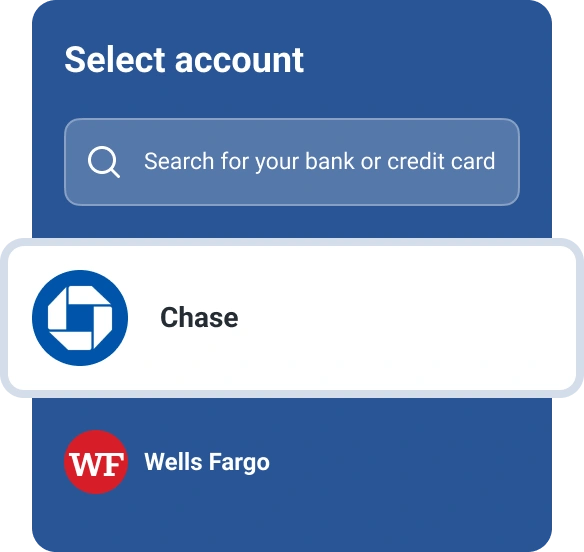
We’ll detect bills with on-time payments, and you can add them to your Experian credit file.
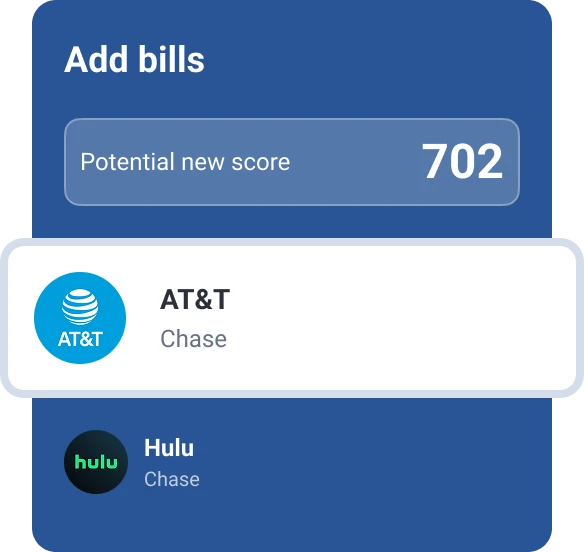
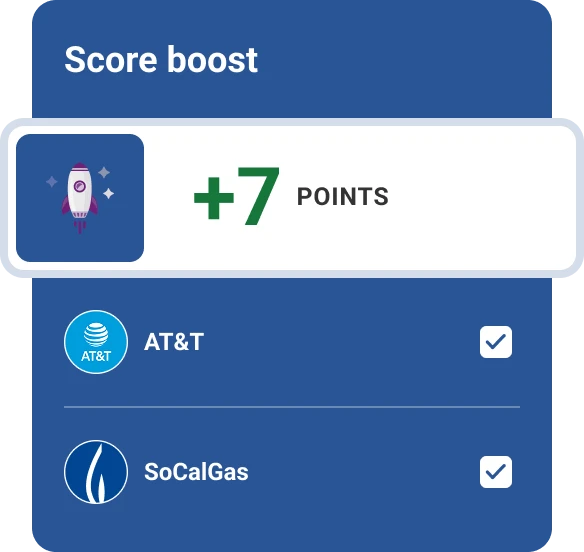
You’ll find out right away if your credit scores increased and by how many points.
You don't need to use every method on this list to establish credit. Even managing one account responsibly can put you on the path to a strong credit history. The most important habits are paying every bill on time, keeping credit card balances low and avoiding unnecessary borrowing.
If you're starting from zero, Experian Go™ helps you create an Experian credit report and begin building from there. Pair it with on-time payments, and you'll be on your way to a credit history you can be proud of.
Use Experian Boost® to get credit for the bills you already pay like utilities, mobile phone, video streaming services and now rent.
No credit card required

Ben Luthi
Ben Luthi has worked in financial planning, banking and auto finance, and writes about all aspects of money. His work has appeared in Time, Success, USA Today, Credit Karma, NerdWallet, Wirecutter and more.
Read more from Ben