
Does the 15/3 Credit Card Hack Work?

Quick Answer
The 15/3 credit card hack might help people stay on top of their credit card bills. But making credit card payments 15 and three days before your bill’s due date won’t necessarily help your payment history or credit utilization rate.

You can find great, free financial advice online. But sometimes, the so-called hacks and tricks that people share on social media aren't true. That's the case with the 15/3 rule or hack, which got popular on FinToK—financial TikTok—before spreading to other platforms.
What Is the 15/3 Rule?
The 15/3 rule or hack has a few variations, but the basic premise is that you can improve your credit scores by making two credit card payments each month. The credit card hack gets its name because you're told to:
- Make a credit card payment 15 days before the bill's due date. You might be told to make your minimum payment, or pay down at least half your bill, early.
- Make another payment three days before the due date. Then, pay the remainder of your bill—or whatever you can afford—before the due date to avoid interest charges.
For example, if your credit card bill is due on the 15th and your statement balance is $2,000, you'd pay $1,000 on the 1st and the remaining $1,000 on the 12th.
Some TikTokers say you have to strictly follow the rule by making the payments 15 and three days early. They claim that's part of the "secret."
How Does the 15/3 Credit Card Payment Work?
People posting about the 15/3 rule tend to say it can help your credit scores in two ways:
- Increases how many on-time payments get reported (incorrect): Some people falsely claim that your card issuer will report both on-time payments to the credit bureaus. Most card issuers report once a month, and even if they did report more often, your credit report would still show the account as current; there would be no change in your account status.
- Lowers your credit utilization ratio (almost correct): Some people have the right idea that paying down your balance early can lower your credit utilization rate—a comparison of your credit cards' balances and credit limits as they appear in your credit reports. But the 15/3 rule's specific timeline won't necessarily help.
The first assumption is incorrect because credit card issuers generally send updates to the credit bureaus monthly. The card issuer might report how much you paid in total during the month.
Your credit report also doesn't show how many payments you made. It only has one account status for each month, which can be current, meaning you made at least the minimum payment on time, or derogatory, such as when your bill is 30 to 59 days past due. Your card issuer could even report the account's status without reporting payment amounts.
Credit card issuers tend to report your account's status, balance and credit limit to credit bureaus around your statement closing date at the end of each billing cycle, not your bill's due date. Paying down your balance before the closing date could lower your reporting balance, decreasing your utilization rate and potentially increasing your credit scores.
However, credit card bills are generally due around 21 to 25 days after the statement closing date. Extra payments you make 15 or three days before the due date likely won't affect your reported balance or utilization rate.
Learn more: What Is the Difference Between Credit Card Balance and Utilization?
Best credit cards of 2026
Compare cards from our partners with intro bonuses, cash back or points offers, and annual fees as low as $0.
Offers from our partners

Citi® Diamond Preferred® Card
Intro APR:0% for 21 months on Balance Transfers and 12 months on Purchases
Ongoing APR:16.74% - 27.49% (Variable)
Annual Fee:$0
American Express Platinum Card®
Ongoing APR:See Pay Over Time APR
Annual Fee:$895
Wells Fargo Active Cash® Card
Intro APR:0% intro APR for 12 months from account opening on purchases and qualifying balance transfers
Ongoing APR:18.74%, 24.74%, or 28.74% Variable APR
Annual Fee:$0

Credit One Bank® American Express® for Rebuilding Credit
Ongoing APR:29.74% Variable
Annual Fee:$75 First year. $99 thereafter, billed monthly at $8.25
Reflex® Platinum Mastercard®
Ongoing APR:35.90% Fixed
Annual Fee:$75 - $125
First Latitude Secured Mastercard® Cash Back Rewards
Ongoing APR:27.74% Variable
Annual Fee:$0
Avant® Cashback Rewards Mastercard®
Ongoing APR:35.99%*
Annual Fee:$75*
Credit One Bank® Platinum Rewards Visa® Card
Ongoing APR:29.74% Variable
Annual Fee:$39
See all our best credit cards for 2026.
Pros and Cons of the 15/3 Credit Card Hack
Although the 15/3 credit card hack doesn't hold up as sound financial advice, it's not without some merit.
Pros
- Helps you stay on track of your balance and payments: Regularly monitoring your credit cards and paying your bill early might help you avoid overspending and keep you from accidentally making a late payment.
- Could decrease how much interest accrues: You won't pay interest on your purchases if you pay your bill in full. But if you're paying down credit card debt, your credit card may compound interest daily. Paying down some of your balance early can decrease how much interest accrues.
- Helpful for biweekly budgeting: If you get paid twice a month, it may be easier to budget paying half your monthly credit card bill from each paycheck instead of paying the full amount once each month.
Cons
- Won't improve your payment history: Your payment history is one of the most important credit scoring factors. But no matter how many payments you make, your credit report will only show one account status and payment amount for each month.
- Might not lower your utilization rate: You can have a high utilization rate even if you pay your credit card balance in full each month depending on when your card issuer reports your account status and when you pay. Making early payments can lower your utilization rate, but you generally have to make them before the end of your billing cycle, which will be more than 15 days before your due date.
- Adds unnecessary complexity: Trying to track multiple payment dates can be difficult, especially if you have several credit cards and you're not benefiting from this "hack."
Should You Use the 15/3 Hack?
Although there might not be any harm to following the 15/3 hack, there may be easier and better ways to manage your credit card.
- Use autopay or alerts to avoid accidentally missing payments. Set up autopay on your credit cards to automatically make at least the minimum payment by your due date. If you're worried about overdrawing your bank account, you could use alerts to get notified when a payment is due instead.
- Pay down balances before the statement date. If you can afford to make credit card payments early, try to pay down your credit card balance before the end of each billing cycle. Ideally, you can get your utilization rate in the low single digits. Having a very low utilization rate could be better than 0% utilization—but still try to pay your bill in full by the due date to avoid interest charges.
- Make early payments when you can. If you're carrying a balance and trying to minimize interest charges, try to stop using your credit card and make even more frequent payments. Perhaps you set up weekly payments, or use biweekly payments that coincide with your payday.
Tips to Build Credit
There are many sound ways to build and improve your credit scores.
- Pay bills on time. Having a long history of making your loan and credit card payments on time can help your credit. If you miss a due date, bringing the account current within 30 days could help you avoid any negative impacts on your credit.
- Maintain a low credit utilization rate. Use the tips mentioned above to maintain a low overall credit utilization rate and keep your utilization rate low on individual cards.
- Use different types of credit. Having a mix of open loans and credit cards could help your credit. You don't necessarily want to take out a loan and pay fees or interest solely to improve your credit. But you could look into options that don't charge fees or interest, such as lending circle loans.
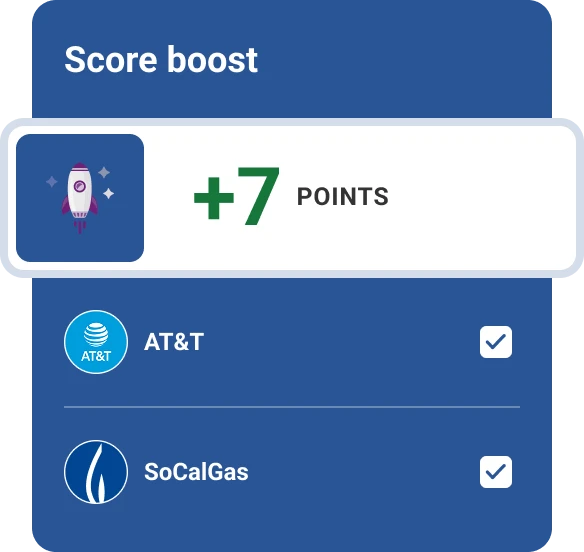
- Add alternative data to your credit reports. Most rent, utility, phone and streaming service payments don't help your credit, even if you're paying your bills on time. You could try to use Experian Boost®ø, a free feature that comes with Experian accounts, to add eligible payments to your Experian credit report.
Instantly raise your credit scoresø
Add any bank accounts you use to pay your bills. Your information remains private.
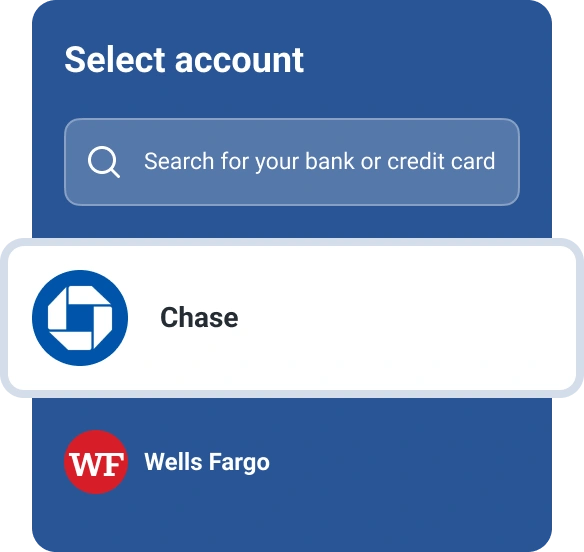
We’ll detect bills with on-time payments, and you can add them to your Experian credit file.
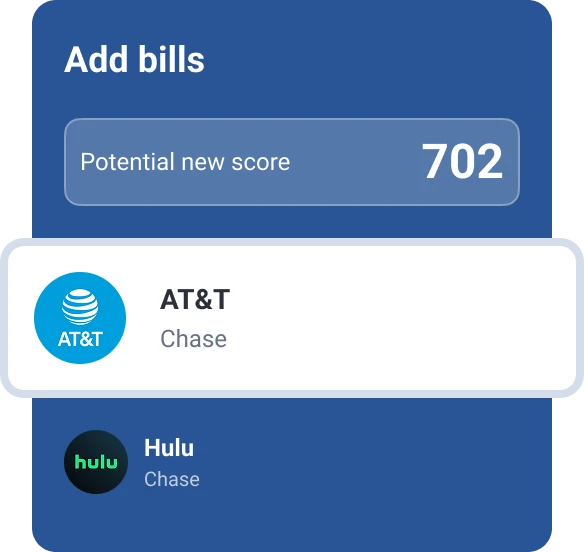
You’ll find out right away if your credit scores increased and by how many points.
Other tips can also apply depending on your situation. For example, if you have collection accounts on your credit file, paying off or settling the accounts might help some of your credit scores.
Learn more: Tips to Improve Credit
Monitor Your Credit for Free
You can track your progress and see what's being reported by getting your free Experian credit report. Members also receive FICO® ScoreΘ tracking and credit report monitoring for free, with real-time alerts about important changes. You can also access features like Experian Boost, and get matched with credit cards and loans based on your unique credit profile.
Don’t apply blindly
Apply for credit cards confidently with personalized offers based on your credit profile. Get started with your FICO® Score for free.
See your offers
About the author

Louis DeNicola
Louis DeNicola is freelance personal finance and credit writer who works with Fortune 500 financial services firms, FinTech startups, and non-profits to teach people about money and credit. His clients include BlueVine, Discover, LendingTree, Money Management International, U.S News and Wirecutter.
Read more from Louis