
 By LaToya Irby
Should My Child Get a Credit Card?
By LaToya Irby
Quick Answer
You may be able to get your child a credit card when they are as young as 13 if you add them as an authorized user. Whether you should depends on if you and your child are ready for the added responsibility. A credit card could help them build credit while learning to manage money.

Getting a credit card for your child is a good way for them to start building credit and learning how to manage money. Establishing good habits early can set them up for success in adulthood. So, when does it make sense to get your child a credit card? Let's break it down.
Can You Open a Credit Card for Your Child?
If your child is under age 18, they're not old enough to open a credit card on their own. However, you can make them an authorized user on one of your credit cards, possibly as early as age 13. As an authorized user, your child will receive a credit card linked to your account. They can use the card for purchases, but you're responsible for payments. You maintain control of the account, making it an excellent way to teach your child financial responsibility with less risk.
Choose one of your cards that regularly carries a low or no balance (low credit utilization can help build credit) and a long, positive credit history. Contact your card issuer to confirm that the authorized-user account will be reported to all three consumer credit bureaus (Experian, TransUnion and Equifax) for the greatest benefit.
Learn more: Ways to Teach Kids About Money
Pros and Cons of Getting a Credit Card for Your Child
When you're deciding whether to get a credit card for your child, it's important to weigh the benefits and drawbacks.
Pros
-
Build a credit history: By becoming an authorized user, your child can start building a credit history early. This can help them qualify for better terms on credit cards, loans and rental applications in the future.
-
Built-in protections: Credit cards often come with great benefits that can protect your child's spending: zero liability fraud protection, purchase protection and extended warranty to name a few.
-
Learn financial responsibility: Access to a credit card is a chance for your child to learn skills like budgeting, tracking expenses and responsible spending habits. Regular conversations about spending can reinforce these good habits.
-
Emergency use: A credit card provides your child with access to funds in emergencies, like unexpected school expenses, travel issues or other urgent needs.for your child to learn skills like budgeting, tracking expenses and responsible spending habits. Regular conversations about spending can reinforce these good habits.
-
Earn rewards: By making your child an authorized user on a rewards credit card, their spending contributes to earning rewards such as cash back, points or miles. These rewards can offset spending or help with an upcoming family vacation.
Cons
-
Risk of overspending: Your child may see a credit card as free money. To prevent overspending, your card issuer may let you set a spending limit for authorized users. If your goal is only to start building your child's credit, you don't have to give them access to a physical credit card.
-
You become their creditor: As the primary cardholder, you're responsible for charges your child makes. It's important to lay down the rules for use, set a clear budget and monitor their spending.
-
Impact on your credit: If your child overspends and makes it difficult for you to pay your credit card bill, it can negatively affect your credit score. Review your child's activity regularly so you can catch issues early.
-
Impact to your child's credit: If the authorized-user account is reported to the credit bureaus, your credit mistakes could hurt your child's credit score. Maxing out the card, for instance, could negatively impact their credit.
Learn more: How to Use a Credit Card Responsibly
Minimum Age Requirements for a Credit Card
While your child can't legally get a credit card on their own until they're age 18, they can become an authorized user on your account before that. The minimum age for an authorized user varies by card issuer. Some card issuers require authorized users to be at least age 13, while others don't set a minimum age. Be sure to check with your card issuer for their specific policy.
Best credit cards of 2026
Compare cards from our partners with intro bonuses, cash back or points offers, and annual fees as low as $0.
Offers from our partners
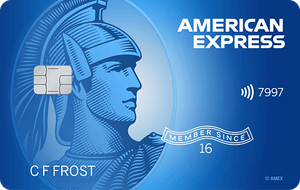
Blue Cash Everyday® Card from American Express
Intro bonus:
As High As $200 Cash Back. Find Out Your Offer.
You may be eligible for as high as $200 cash back after spending $2,000 in purchases on your new Card in the first 6 months. Welcome offers vary and you may not be eligible for an offer. Cash back is received as Reward Dollars, redeemable for statement credit or at Amazon.com checkout. Terms Apply.
Intro APR:0% on Purchases and Balance Transfers for 15 months
Ongoing APR:19.74%-28.74% Variable
Rewards:
1% - 3% (cash back)
Earn 3% cash back at U.S. supermarkets, 3% cash back on U.S. online retail purchases, 3% cash back at U.S. gas stations, on eligible purchases for each category on up to $6,000 per year in purchases (then 1%). Cash back is received in the form of Reward Dollars that can be redeemed as a statement credit and at Amazon.com checkout.
Annual Fee:$0
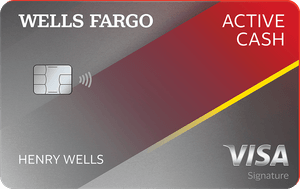
Wells Fargo Active Cash® Card
Intro bonus:
$100
Earn a $100 cash rewards bonus after spending $500 in purchases in the first 3 months.
Intro APR:0% intro APR for 12 months from account opening on purchases and qualifying balance transfers
Ongoing APR:18.74%, 24.74%, or 28.74% Variable APR
Rewards:
2% (Cash Rewards)
Earn unlimited 2% cash rewards on purchases.
Annual Fee:$0
Blue Cash Preferred® Card from American Express
Intro bonus:
As High As $300 Cash Back. Find Out Your Offer.
You may be eligible for as high as $300 cash back after spending $3,000 in purchases on your new Card in the first 6 months. Welcome offers vary and you may not be eligible for an offer. Cash back is received as Reward Dollars, redeemable for statement credit or at Amazon.com checkout. Terms Apply.
Intro APR:0% on Purchases and Balance Transfers for 12 months
Ongoing APR:19.74%-28.74% Variable
Rewards:
1% - 6% (cash back)
Earn 6% cash back at U.S. supermarkets on up to $6,000 per year in eligible purchases (then 1%), 6% cash back on select U.S. streaming subscriptions, 3% cash back at eligible U.S. gas stations and on transit (including taxis/rideshare, parking, tolls, trains, buses and more) purchases and 1% cash back on other purchases. Cash Back is received in the form of Reward Dollars that can be redeemed as a statement credit and at Amazon.com checkout.
Annual Fee:$0 intro annual fee for the first year, then $95.
Credit One Bank® Platinum Rewards Visa® Card
Ongoing APR:29.74% Variable
Rewards:
1% (cash back)
Earn 1% cash back rewards on eligible gas, grocery purchases and mobile phone service, internet, cable and satellite TV services, terms apply
Annual Fee:$39

Credit One Bank® Platinum X5 Visa Signature® Metal Card
Ongoing APR:29.74% Variable
Rewards:
1% - 5% (cash back)
Earn 5% cash back rewards on the first $5,000 of eligible gas, grocery, internet, cable, satellite TV, and mobile phone service purchases each year, and then 1% thereafter. Plus 1% cash back rewards on all other purchases, terms apply.
Annual Fee:$95
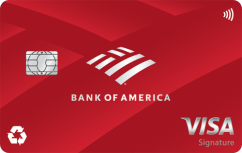
Bank of America® Customized Cash Rewards credit card
Intro bonus:
$200
$200 online cash rewards bonus after you make at least $1,000 in purchases in the first 90 days of account opening
Intro APR:0% Intro APR for 15 billing cycles for purchases, and for any balance transfers made in the first 60 days
Ongoing APR:17.49% - 27.49% Variable
Rewards:
1% - 6% (cash back)
Earn 6% cash back for the first year in the category of your choice. You’ll automatically earn 2% cash back at grocery stores and wholesale clubs, and unlimited 1% cash back on all other purchases. After the first year from account opening, you’ll earn 3% cash back on purchases in your choice category. Earn 6% and 2% cash back on the first $2,500 in combined purchases each quarter in the choice category, and at grocery stores and wholesale clubs, then earn unlimited 1% thereafter. After the 3% first-year bonus offer ends, you will earn 3% and 2% cash back on these purchases up to the quarterly maximum.
Annual Fee:$0
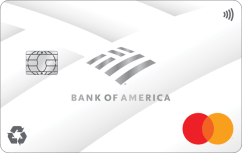
BankAmericard® credit card
Intro APR:0% Intro APR for 21 billing cycles for purchases, and for any balance transfers made in the first 60 days
Ongoing APR:14.99% - 25.99% Variable
Rewards:
N/A
Annual Fee:$0
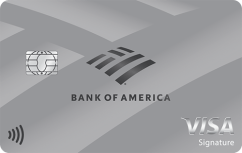
Bank of America® Unlimited Cash Rewards credit card
Intro bonus:
$250
Limited Time Offer! $250 online cash rewards bonus after you make at least $1,000 in purchases in the first 90 days of account opening.
Intro APR:0% Intro APR for 15 billing cycles for purchases, and for any balance transfers made in the first 60 days
Ongoing APR:17.49% - 27.49% Variable
Rewards:
1.5% (cash back)
1.5% cash back on all purchases
Annual Fee:$0
See all our best credit cards for 2026.
How to Teach Your Child Good Credit Habits
Allowing your child to access a credit card is just the beginning. Helping them develop good credit habits sets them up for lifelong success.
- Start with credit basics. Explain how credit cards work, including borrowing money and paying it back—sometimes with interest. Teach the key differences between using a credit card and a debit card for purchases.
- Be a good example. Practice responsible credit use yourself. Include your child in your decision-making processes, such as explaining why you chose a certain credit card for a purchase and how you'll pay the amount back.
- Set clear rules. Set clear spending limits and decide what the card can be used for, such as gas or school supplies. Discuss whether your child will contribute to payments, especially if they have a part-time job or receive an allowance.
- Monitor credit card use. Review your billing statement with your child to discuss their spending. This is a good teaching moment to explain why it's important to pay on time and in full.
- Increase responsibility over time. As your child proves they can handle a credit card responsibly, consider increasing their spending limit or giving them more independence.
Learn more: How to Teach Your Kids to Use a Credit Card
The Bottom Line
Getting a credit card for your child can give them a head start on learning to manage money and credit. For younger teens, that usually means adding them as an authorized user on one of your existing credit cards. They can gain experience, while you keep control over the account.
Part of encouraging good credit habits includes protecting your child's identity. Consider enrolling in a family identity protection plan to monitor your family's credit. This way, you can safeguard your loved ones' personal and financial information.
What’s on your credit report?
Stay up to date with your latest credit information—and get your FICO® Score for free.
Get your free reportNo credit card required

About the author
LaToya Irby
LaToya Irby is a personal finance writer who works with consumer media outlets to help people navigate their money and credit. She’s been published and quoted extensively in USA Today, U.S. News and World Report, myFICO, Investopedia, The Balance and more.
Read more from LaToya