
How to Calculate Credit Card Utilization

Quick Answer
You can calculate your credit utilization ratio by dividing your credit card’s balance by your credit limit and multiplying by 100.

You can calculate your credit utilization ratio by dividing your balance by your credit limit and multiplying by 100. The math is simple, but knowing where to find the numbers isn't always obvious.
Remember that credit scoring companies don't get direct access to your financial accounts—they have to use information from your credit reports. You should use the same information when calculating your utilization ratios.
How to Calculate Your Credit Utilization Ratio
Your credit utilization ratio—also called your credit utilization rate or revolving utilization—helps creditors understand how you're using revolving credit accounts, particularly credit cards. Your credit reports may include the calculations for each account, along with your overall utilization.
Follow these steps to calculate your credit card utilization rate.
1. Review Your Credit Report for Account Balances and Credit Limits
Credit utilization ratios depend on the numbers in your credit report, not your current balances. So, the first step is to review your credit report.
You can get a free Experian credit report, updated every day, or a free report from each of the credit reporting agencies (Experian, TransUnion and Equifax) weekly at AnnualCreditReport.com.
2. Divide Your Credit Card's Balance by Its Credit Limit
Once you have your credit report, start by dividing your credit card's balance by the card's credit limit.
For example, if a card's balance is $2,500 and the credit limit is $5,000, then the result is 0.5. Multiply by 100 to see the result as a percentage—50%. That's the card's credit utilization ratio.
3. Calculate Your Overall Credit Utilization Ratio
You can also calculate your overall utilization ratio for all your revolving credit accounts, including credit cards, personal lines of credit and home equity lines of credit (HELOCs).
Add up all their balances and divide the total by the sum of their credit limits. Perhaps you have three cards with balances of $500, $1,500 and $0, and their credit limits are $3,000, $5,000 and $2,000. The total balance ($2,000) divided by the total credit limit ($10,000) gives you an overall utilization rate of 0.2, or 20%.
Tip: While it may be helpful to know where your overall credit utilization stands, FICO does not count HELOCs in credit utilization calculations since these loans are secured by your home.
How Does Credit Utilization Affect Your Credit Scores?
Both VantageScore® credit scores and FICO credit scores and FICO credit scores consider your utilization when calculating your score.
- Overall and individual utilization rates matter. Your overall utilization rate can be a significant factor in your credit score. The utilization rate on individual accounts, such as the account with the highest utilization rate, can also affect your scores.
- Most credit scores only consider the most recently reported numbers. As a result, having an exceptionally high utilization rate may hurt your scores one month, but lowering your utilization rate could help your scores the next.
- Newer scoring models may consider utilization over time. The latest VantageScore 4.0 and FICO 10 T models consider trends in your credit history, such as your utilization rate over time.
In general, the lower your utilization ratio the better. But your utilization changes as credit card issuers send updates to the credit bureaus, and the effect on your scores will depend on the entirety of your credit profile.
What Is a Good Credit Utilization Ratio?
As a general rule of thumb, having an overall utilization rate under 10% could be considered a good credit utilization ratio. People who have excellent credit scores tend to have utilization ratios in the single digits. But there's no hard line where utilization goes from a bad to good percentage.
Some people believe that keeping utilization under 30% is a good target, and the average overall credit card utilization ratio in the U.S. was 28% in 2022. Utilization is only one of the factors within the "amounts owed" FICO credit scoring category, though, and an even lower utilization could be better. One exception: A very low utilization ratio may be better for your credit scores than 0% utilization since it shows you are using and managing some credit.
How to Lower Your Credit Utilization Ratio
The utilization ratio calculation only looks at two numbers: the account balance and credit limit on your credit report.
It's important to know that card issuers often send updates to the credit bureaus around the end of your statement period, a few weeks before your bill is due. As a result, you could pay your credit card bill in full each month and still have a high utilization rate.
However, there are other things you can do to decrease your reported balances or increase your reported credit limits and lower your utilization rate.
- Make early credit card payments. Pay down your credit card balance before the end of your statement period to lower the balance that your card issuer reports.
- Increase your card's credit limit. You can ask your card issuer to increase your credit limit. This sometimes results in a hard inquiry, which could temporarily hurt your credit scores a little.
- Report income increases to card issuers. Your card issuer also might proactively increase your card's credit limit if you manage the card responsibly or your income rises. You can report your new annual income in your online account whenever your income rises.
- Open a new card. Opening a new credit card increases your available credit, which can lower your overall utilization rate. However, you'll want to find a credit card that offers additional benefits as well.
- Use a personal loan to consolidate debt. If you're paying off credit card debt, you could look into consolidation with a personal loan. You may be able to save money if you qualify for a loan with a low interest rate, and you'll lower your utilization rate by moving the debt from a revolving to an installment account.
- Keep credit cards open. There can be good reasons to close credit cards, such as paying an annual fee on a card you never use or overspending. However, keeping credit cards open increases your available credit limit, which can help you maintain a low utilization rate.
Best credit cards of 2026
Compare cards from our partners with intro bonuses, cash back or points offers, and annual fees as low as $0.
Offers from our partners
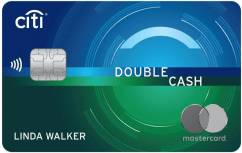
Citi Double Cash® Card
Intro APR:0% for 18 months on Balance Transfers
Ongoing APR:17.49% - 27.49% (Variable)
Rewards:2% (cash back)
Annual Fee:$0

Blue Cash Everyday® Card from American Express
Intro bonus:As High As $200 Cash Back. Find Out Your Offer.
Intro APR:0% on Purchases and Balance Transfers for 15 months
Ongoing APR:19.49%-28.49% Variable
Rewards:1% - 3% (cash back)
Annual Fee:$0

Wells Fargo Reflect® Card
Intro APR:0% intro APR for 21 months from account opening on purchases and qualifying balance transfers
Ongoing APR:17.49%, 23.99%, or 28.24% Variable APR
Rewards:N/A*
Annual Fee:$0

American Express Platinum Card®
Intro bonus:As high as 175,000 points. Find out your offer.
Ongoing APR:See Pay Over Time APR
Rewards:1x - 5x (Points per dollar)
Annual Fee:$895

Wells Fargo Active Cash® Card
Intro bonus:$200
Intro APR:0% intro APR for 12 months from account opening on purchases and qualifying balance transfers
Ongoing APR:18.49%, 24.49%, or 28.49% Variable APR
Rewards:2% (Cash Rewards)
Annual Fee:$0

Discover it® Cash Back
Intro bonus:Cashback Match™
Intro APR:0% intro APR for 15 months on Purchases and Balance Transfers
Ongoing APR:17.49% - 26.49% Variable APR
Rewards:1% - 5% (cash back)
Annual Fee:$0
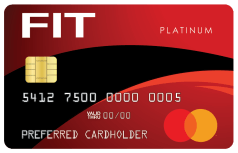
FIT™ Platinum Mastercard® - $400 Credit Limit
Ongoing APR:35.90% Fixed
Rewards:N/A*
Annual Fee:$99 first year; $125 thereafter

Avant® Cashback Rewards Mastercard®
Ongoing APR:29.99%*
Rewards:2% (cash back)
Annual Fee:$0*

The opensky® Secured Visa® Credit Card
Ongoing APR:23.89% Variable
Rewards:10% (cash back)
Annual Fee:$35

Credit One Bank American Express® Card for Rebuilding Credit
Ongoing APR:29.74% Variable
Rewards:1% (cash back)
Annual Fee:$75 First year. $99 thereafter, billed monthly at $8.25

Blue Cash Preferred® Card from American Express
Intro bonus:As High As $300 Cash Back. Find Out Your Offer.
Intro APR:0% on Purchases and Balance Transfers for 12 months
Ongoing APR:19.49%-28.49% Variable
Rewards:1% - 6% (cash back)
Annual Fee:$0 intro annual fee for the first year, then $95.
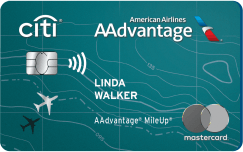
American Airlines AAdvantage® MileUp® Card
Intro APR:0% for 15 months on Balance Transfers
Ongoing APR:19.49% - 29.49% (Variable)
Rewards:2x (Miles per dollar)
Annual Fee:$0

Costco Anywhere Visa® Card by Citi
Ongoing APR:18.74% - 26.74% (Variable)
Rewards:1% - 5% (cash back)
Annual Fee:$0
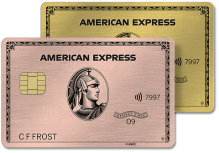
American Express® Gold Card
Intro bonus:As high as 100,000 points. Find out your offer.
Ongoing APR:See Pay Over Time APR
Rewards:1x - 4x (Points per dollar)
Annual Fee:$325

Avant® Cashback Rewards Mastercard®
Ongoing APR:35.99%*
Rewards:1% (cash back)
Annual Fee:$75*
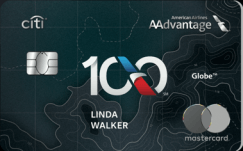
Citi® / AAdvantage® Globe™ Mastercard®
Ongoing APR:19.49% - 29.49% (Variable)
Rewards:1x - 6x (Miles per dollar)
Annual Fee:$350

Avant® Cashback Rewards Mastercard®
Ongoing APR:35.99%*
Rewards:1% (cash back)
Annual Fee:$39*
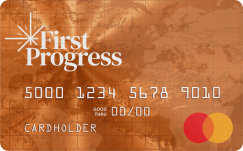
First Progress Select Secured Mastercard® Cash Back Rewards
Ongoing APR:17.49% Variable
Rewards:1% - 10% (cash back)
Annual Fee:$39

Credit One Bank® Platinum Visa®
Ongoing APR:29.74% Variable
Rewards:1% (cash back)
Annual Fee:$39

Credit One Bank® Wander® American Express® with Dining, Gas & Travel Rewards
Ongoing APR:29.74% Variable
Rewards:1% - 10% (cash back)
Annual Fee:$95

Hilton Honors American Express Card
Intro bonus:70,000 Points
Ongoing APR:19.49%-28.49% Variable
Rewards:3x - 7x (Points per dollar)
Annual Fee:$0
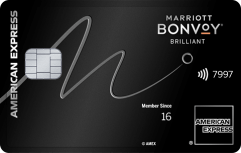
Marriott Bonvoy Brilliant® American Express® Card
Intro bonus:200,000 Points
Ongoing APR:19.49%-28.49% Variable
Rewards:2x - 6x (Points per dollar)
Annual Fee:$650

Discover it® Miles
Intro bonus:Discover Match®
Intro APR:0% intro APR for 15 months on Purchases and Balance Transfers
Ongoing APR:17.49% - 26.49% Variable APR
Rewards:1.5x (Miles per dollar)
Annual Fee:$0
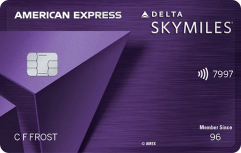
Delta SkyMiles® Reserve American Express Card
Intro bonus:As High As 100,000 Bonus Miles. Find Out Your Offer.
Ongoing APR:19.49%-28.49% Variable
Rewards:1x - 3x (Miles per dollar)
Annual Fee:$650
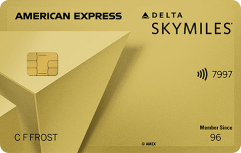
Delta SkyMiles® Gold American Express Card
Intro bonus:As High As 80,000 Bonus Miles. Find Out Your Offer.
Ongoing APR:19.49%-28.49% Variable
Rewards:1x - 2x (Miles per dollar)
Annual Fee:$0 introductory annual fee for the first year, then $150.
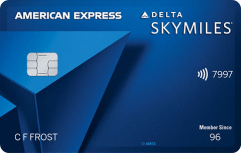
Delta SkyMiles® Blue American Express Card
Intro bonus:10,000 Miles
Ongoing APR:19.49%-28.49% Variable
Rewards:1x - 2x (Miles per dollar)
Annual Fee:$0
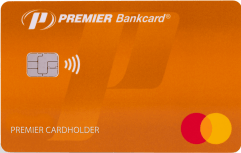
PREMIER Bankcard® Mastercard® Credit Card
Ongoing APR:See Rates & Fees
Rewards:N/A*
Annual Fee:See Rates & Fees
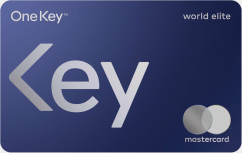
One Key™ Card
Intro bonus:$300
Ongoing APR:18.49%, 23.49%, or 28.49% Variable APR
Rewards:1.5x - 3x (Points per dollar)
Annual Fee:$0
One Key+™ Card
Intro bonus:$350
Ongoing APR:18.49%, 23.49%, or 28.49% Variable APR
Rewards:2x - 3x (Points per dollar)
Annual Fee:$99

Avant® Cashback Rewards Mastercard®
Ongoing APR:35.99%*
Rewards:1% (cash back)
Annual Fee:$0*
See all our best credit cards for 2026.
You don't need to use every strategy to maintain a low utilization rate—pick and choose what works for you and your financial situation.
Track Your Credit and Utilization for Free
Get your free Experian credit report and also receive your FICO® ScoreΘ and ongoing credit monitoring. When you access your account, Experian automatically calculates your overall utilization ratio. You can also look at the utilization ratio for each individual revolving account on your credit report. Additionally, you'll see which factors are helping or hurting your credit scores the most, so you'll know what to focus on to improve your credit.
Don’t apply blindly
Apply for credit cards confidently with personalized offers based on your credit profile. Get started with your FICO® Score for free.
See your offers
About the author

Louis DeNicola
Louis DeNicola is freelance personal finance and credit writer who works with Fortune 500 financial services firms, FinTech startups, and non-profits to teach people about money and credit. His clients include BlueVine, Discover, LendingTree, Money Management International, U.S News and Wirecutter.
Read more from Louis