
 Edited by Samuel Mountjoy
Can You Get a Secured Credit Card With No Deposit?
Edited by Samuel Mountjoy
Quick Answer
You can get a secured credit card with no deposit by choosing one that works more like a prepaid card instead. You’ll deposit money into a linked account, which becomes your credit limit, or make payments directly from your paycheck.

Secured credit cards typically require a security deposit in order to open your account, but it's possible to get one without making a security deposit. Certain secured cards instead require you to link your payroll information and make payments directly from your paycheck or deposit money into a connected account in order to sign up.
Here's how to get a secured card without a conventional deposit.
Can You Get a Secured Credit Card With No Deposit?
It's possible to get a secured credit card with no upfront deposit. These types of secured cards work more like prepaid cards instead: You transfer money into a connected account and then use your credit card to spend the money you've deposited. You won't be able to spend more than you have in the account, which prevents you from going into debt. Unlike how standard prepaid cards work, however, your monthly credit card payments get reported to the credit bureaus to help you build credit.
In practice, making a deposit on a traditional secured card and adding money to a card account aren't that different: You'll still need some cash available in order to apply for the card. But a no-deposit secured card has some unique features.
For example, some of these cards don't require a credit check. Also, you may be able to use your secured card to withdraw cash at ATMs or send money to others.
Additionally, you can typically add cash to the connected account via a range of methods, including direct deposit from a paycheck, Apple Pay, PayPal or Venmo. You may even be able to connect your payroll information as your funding source, meaning you pay the balance on your secured card directly from your paycheck automatically.
Learn more: What's the Difference Between Secured and Prepaid Cards?
Best secured cards of 2026
Compare secured cards from our partners that can help you build or rebuild your credit and earn cash back while you spend.
Offers from our partners

The opensky® Secured Visa® Credit Card
Ongoing APR:23.89% Variable
Rewards:
10% (cash back)
Earn up to 10% cash back on purchases made with your opensky Secured Visa Credit Card at 40,000+ retailers. Visit opensky Rewards in the opensky app for participating retailers. Learn more at openskycc.com. See Rewards Terms and Conditions for more information.
Annual Fee:$35
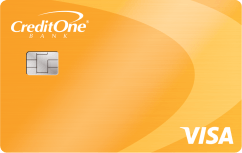
Credit One Bank® Secured Card
Ongoing APR:29.74% Variable
Rewards:
1% (cash back)
Earn 1% cash back rewards on eligible gas, grocery purchases and mobile phone, internet, cable and satellite TV services. Terms apply.
Annual Fee:$0
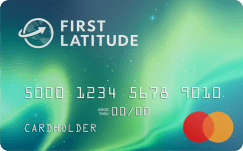
First Latitude Secured Mastercard® Cash Back Rewards
Ongoing APR:27.49% Variable
Rewards:
1% - 10% (cash back)
Earn up to 10% Cash Back on purchases at participating merchants that fit your lifestyle—from dining and grocery to retail and more—plus 1% Cash Back on payments made to your First Latitude Card.^^
Annual Fee:$0
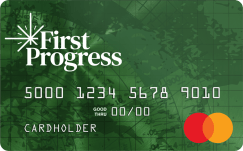
First Progress Prestige Secured Mastercard® Cash Back Rewards
Ongoing APR:13.49% Variable
Rewards:
1% - 10% (cash back)
Earn up to 10% Cash Back on everyday purchases at participating dining, grocery, retail, and other eligible merchants, plus 1% Cash Back on payments made to your First Progress Card.^^
Annual Fee:$49
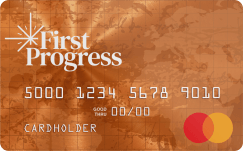
First Progress Select Secured Mastercard® Cash Back Rewards
Ongoing APR:17.49% Variable
Rewards:
1% - 10% (cash back)
Earn up to 10% Cash Back on everyday purchases at participating dining, grocery, retail, and other eligible merchants, plus 1% Cash Back on payments made to your First Progress Card.^^
Annual Fee:$39
See all our best secured credit cards for 2026.
Why Do Secured Cards Require a Deposit?
Secured cards require a security deposit because it limits the risk the card issuer will lose money if the cardholder stops paying their bill. Lenders use credit scores to gauge how likely a borrower is to make payments as agreed. They are less willing to lend money to borrowers with bad credit, or those who don't have enough credit history to be scoreable.
Requiring a security deposit makes it possible for issuers to offer secured cards to customers with lower credit scores or limited credit history. When you open a secured credit card, you can typically choose your security deposit from within a limited range, such as $200 to $2,500. The amount you deposit will become your card's credit limit. You won't get it back until you close your account or transition to an unsecured card, which some secured card issuers offer during periodic reviews of your account.
The issuer can keep the security deposit and use it to cover your outstanding balance if you fall behind on your payments. Once you improve your credit to the point it's considered fair, good or better, you're more likely to qualify for an unsecured card that doesn't require a security deposit.
How to Get a Secured Credit Card With No Deposit
Here's how to apply for a secured card without a traditional deposit:
- Assess your available resources. While you may not be willing or able to make a security deposit, you will likely need to make some cash available in a linked account to pay for purchases on the card. Consider how much you can put toward the balance in that account, which functions as your credit limit, while still paying other bills on time and maintaining a separate emergency fund to cover unplanned expenses. If you don't have cash to spare, you could opt for a card that pulls payments directly from your paycheck instead.
- Compare card options. Secured cards without a security deposit have a range of features. Some offer cash back, though usually you'll need to qualify by setting up direct deposit to the account linked to the secured card. Others let you send money to others like a peer-to-peer payment app. Choose a card with perks that align with your lifestyle. But even more importantly, pay close attention to any fees charged and confirm that the card reports payment history to all three credit bureaus so you get its full credit-building benefits.
- Apply for the card. On the issuer's website or mobile app, fill out an application. You will likely need to supply details like your name, address, Social Security number, phone number and email address. Many issuers of secured cards without traditional security deposits don't include a credit check as part of the application process.
- Fund your account and start using the card. Once you've been approved, you'll likely need to fund an account that's connected to the card. That amount will be your credit limit. Make all monthly credit card payments on time, and check your credit score regularly to see how your credit history grows.
- Eventually, upgrade to an unsecured card. Once your score is at least in the "fair" range (from 580 to 669), you may be able to qualify for an unsecured credit card. If the issuer of your secured card doesn't offer an upgrade from its own line of credit cards, you can search for a new unsecured card. Keep your secured card open to maintain as long a credit history as possible.
Alternatives to a Secured Card
If a secured card isn't the right choice for you, look into these alternative options:
- Unsecured credit cards: There are unsecured cards for bad credit, although they may have high fees, high interest rates and limited perks. Some issuers use alternative underwriting methods, meaning they don't rely primarily on your credit score to determine whether to approve your application.
- A credit-builder loan: Similar to a secured card, a credit-builder loan works by setting aside funds in a savings account that equals your loan amount. You can build credit by transferring money toward the savings account each month, and you'll then receive the full amount once the term ends.
- Authorized user status: If someone else adds you as an authorized user to one of their credit card accounts, the account information may be reported under your name and help you establish or build credit.
- Experian Boost®ø: Once you have an Experian credit report, you can use Experian Boost to get credit for bills you already pay, including your utility, telecom, rent and certain streaming service payments. That could add positive payment history to your credit file based on Experian data.
Frequently Asked Questions
The Bottom Line
There is a range of secured credit cards out there, and you have several options even if you're wary of making a traditional security deposit. When comparing cards, consider their annual fees, rewards and whether there's a way to transition to an unsecured card later. Experian's free credit card comparison tool can help you quickly evaluate cards and get matched with offers based on your unique credit profile.
Looking to build credit?
Discover secured credit card offers matched to you, so you can apply with confidence. Get started with your FICO® Score for free.
See your offers
About the author

Brianna McGurran
Brianna McGurran is a freelance journalist and writing teacher based in Brooklyn, New York. Most recently, she was a staff writer and spokesperson at the personal finance website NerdWallet, where she wrote "Ask Brianna," a financial advice column syndicated by the Associated Press.
Read more from Brianna