 Edited by Samuel Mountjoy
How to Report Payment History to Credit Bureaus
Edited by Samuel Mountjoy
Quick Answer
- You typically can’t self-report payments to credit bureaus; only your creditors can do that.
- However, you can use third-party services to add some payments, such as rent, to your credit report.
- Reporting timely non-debt payments can build a positive payment history that could improve your credit scores.

While you generally can't self-report payments directly to credit bureaus, you can use a reporting service to add eligible rent, utility and other payment history to your credit report. These types of non-debt payments traditionally are not reported to credit bureaus, but adding them to your credit report could benefit your credit scores if you make your payments on time.
What Payments Are Reported to Credit Bureaus?
Lenders typically report the following types of accounts to credit bureaus:
Revolving credit accounts, including:
- Credit cards
- Home equity lines of credit (HELOCs)
- Personal lines of credit
Installment loans, including:
- Mortgages
- Auto loans
- Student loans, including private and federal student loans
- Personal loans
Credit reports contain information about your debt payments. The non-debt payments that make up much of your day-to-day spending, such as rent, utility bills and insurance premiums, are traditionally not reported to credit bureaus, although there are exceptions (more on that below).
Can I Self-Report Payments to Credit Bureaus?
You cannot directly send information about your credit accounts to credit bureaus and have it added to your credit report. Creditors decide whether to report accounts to the credit bureaus, and the law does not require them to do so.
While most major banks and financial institutions do report payments to the three major credit reporting agencies (Experian, TransUnion and Equifax), some may choose to report to only one or two of the three bureaus, and others may choose not to report at all.
See your latest credit information
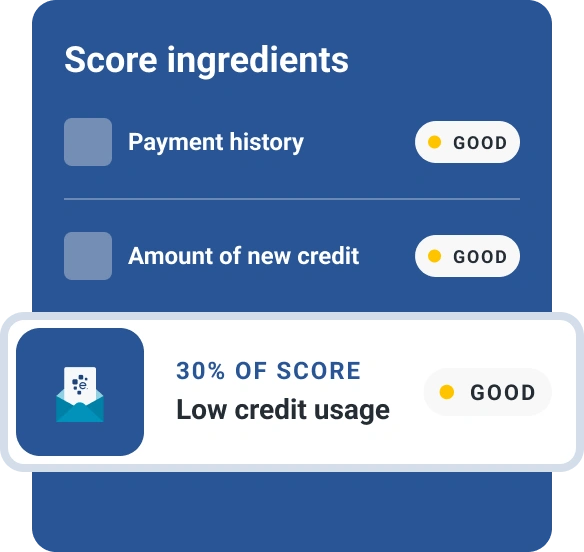
Better understand your creditworthiness with an overview of your total debt.
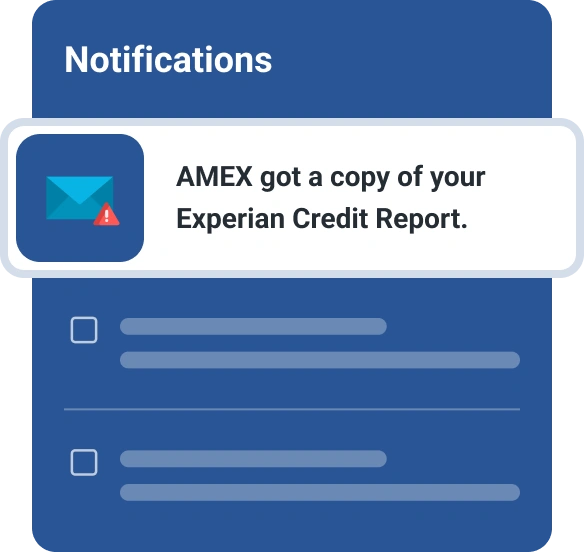
Check for any changes with customized alerts and an updated report daily.
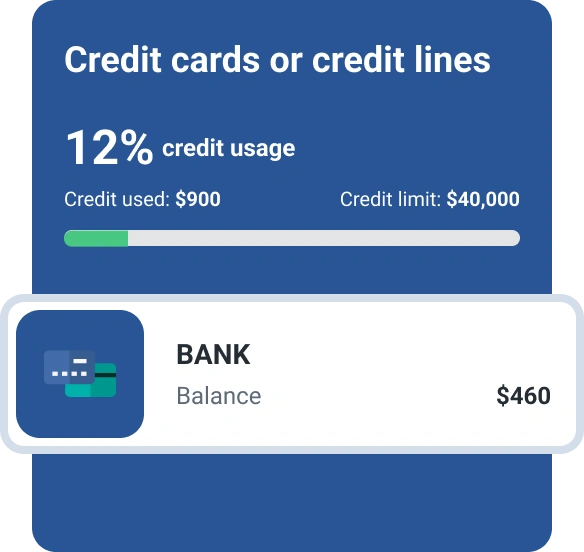
Reviewing your credit report can help you spot potential fraud or identity theft.
What Payments Can You Add to Your Credit Report?
Although you can't report payments to credit bureaus yourself, some payments that aren't traditionally included in credit reports can be added by using specialized services.
Rent Payments
A rent-reporting service may be able to report your payment history to one or more credit bureaus, sometimes for a monthly fee. Check with your landlord to see if they use a rent reporting service or are willing to start using one. You can also enroll in a rent reporting service yourself. Before signing up, check which bureaus the service reports to, whether it reports past payments and what fees it charges.
Rent, Utility, Phone, Streaming Service and Other Payments
You may be able to have rent payments and more added to your credit report when you use Experian Boost®ø. Experian Boost is a free feature that lets you add positive payment history for certain bills to your Experian credit file, which could give your credit scores an instant boost.
Eligible payments can include cellphones and landlines; utilities; internet, cable and satellite providers; certain insurance premiums; streaming services and qualifying online rent payments. Experian Boost only adds on-time payments to your credit report, so you don't have to worry that a late payment will appear on your credit report and ding your credit scores.
Learn more: Does Renting an Apartment Build Credit?
What if an Account Is Missing From Your Credit Report?
A missing account on your credit report usually means that the creditor does not report to all three major credit bureaus or has not updated its records yet. New accounts typically appear on your credit report about 30 to 60 days after account opening. If a few billing cycles have passed an account such as a new credit card still doesn't show up on your credit report, here's what to do.
- Contact the lender to confirm that they report to the credit bureau. Keep in mind that lenders may not report to all three credit bureaus or may not report at all.
- Verify your identifying information. If the lender does report to credit bureaus, ask them to review the identifying information on your account to ensure that the account is being reported under your correct name and Social Security number.
-
Contact the credit bureau. If your lender confirms that they do report to Experian and have your correct information, you can ask them to contact their Experian representative for help in determining why the account is not appearing in your report. You can also contact Experian yourself and explain the situation so that we can research the issue. You can reach Experian through our contact page or by mail at:
Experian
P.O. Box 4500
Allen, TX 75013
Explain that you have an account that's not appearing on your report and that the lender has verified the account is being reported. Be sure to include your complete identification information, including your Social Security number, so that Experian can locate your credit information.
Unfortunately, if your lender does not report to Experian, your account can't be added. When you apply for credit in the future, ask the lender if they report account history to one or more of the national credit reporting companies. If they don't, you might consider applying elsewhere to ensure your positive account payments help you build a strong credit history.
Be aware: An account that seems to be missing from your credit report may just be listed under a company name you aren't familiar with. For example, a retail store credit card might be listed under the name of the issuing bank rather than the store.
What Should You Do if Payments Are Inaccurately Reported?
If you believe payment information on your credit report is incorrect, you have the right to dispute the items. Follow these steps to file a dispute:
- Gather documentation. Look for evidence to support your claims, such as bank or credit card statements, receipts for payment, screenshots or letters from creditors showing a loan was paid in full.
- Contact the creditor. Reach out to the lender or credit card issuer and provide evidence that the information is inaccurate. If the creditor confirms that you are correct, they should update the information with the credit bureaus that they report to.
- Contact the credit bureaus. The easiest way to file a dispute with Experian is online at the Dispute Center, which explains the process and allows you to upload documents. If inaccurate payment information appears on more than one credit bureau's credit report, you will need to file a dispute separately with each credit bureau where it appears.
- Escalate unresolved issues. If you aren't satisfied with the outcome of your dispute, you may want to resubmit it with additional information to support your claim. You can also ask to have a statement of dispute added to your credit report explaining why you believe the information is incorrect.
How Does Positive Payment History Impact Your Credit?
Payment history is the biggest factor in your FICO® ScoresΘ, so paying your bills on time, every time, is the most important thing you can do to build a strong credit history. This applies to both debt payments and non-debt payments, such as rent, that you can have added to your credit report via third-party tools. Once these payments appear on your credit report, they help build a positive payment history, showing lenders that you know how to manage money responsibly and are therefore more likely to repay future debts on time.
Learn more: How to Improve Your Payment History
Build Credit by Building a Positive Payment History
You can't report payments to credit bureaus directly, but third-party tools such as rent reporting services and Experian Boost offer a way to get credit for timely payments that otherwise wouldn't appear on your credit report. Adding this nontraditional payment information to your credit report can be especially beneficial if you have a thin credit file or are seeking to bump your score up into a higher credit scoring range before applying for a mortgage or auto loan.
You can check your credit report and FICO® Score for free from Experian to see your payment history. When you do, you'll also be able to see the other factors impacting your scores and get insights into steps you can take to improve your credit.
What’s on your credit report?
Stay up to date with your latest credit information—and get your FICO® Score for free.
Get your free reportNo credit card required

About the author

Karen Axelton
Karen Axelton is Experian’s in-house senior personal finance writer. She has over 20 years of experience as a journalist and has written or ghostwritten content for a variety of financial services companies.
Read more from Karen