
How to Use a Credit Card Responsibly

Quick Answer
You can make sure that you’re using your credit card responsibly by following these five steps:

There are plenty of pluses to making purchases with credit cards. Perks include the ability to earn cash back or travel rewards, get protection from fraud and build a credit history. To take full advantage of your credit cards, however, it's important to use them wisely. You can use a credit card responsibly by setting up autopay, paying your entire balance every month, keeping balances low and more. Here's how to use your credit card to maximize benefits and build credit.
1. Understand the Fees and Terms
To make the most of your credit card, familiarize yourself with its fees and terms. The "Schumer box" at the top of your cardholder agreement lists the card's most important interest rates and fees, including:
- Purchase APR: The purchase annual percentage rate (APR) is the interest rate you'll pay on purchases for any remaining balance you don't pay off before the grace period ends.
- Penalty APR: Missing a credit card payment can trigger a penalty APR higher than your normal purchase APR. This APR may apply to future purchases or existing balances, and could also wipe out any promotional APR.
- Balance transfer and cash advance APRs: Cash advances typically have higher APRs than purchases. APRs for balance transfer are usually lower.
- Annual fee: Cards that charge annual fees often offer rewards and perks. Be sure the benefits outweigh the fees.
- Cash advance fees: In addition to the higher APR, there may be fees for taking a cash advance on your credit card.
- Balance transfer fees: Transferring a balance to a credit card typically incurs a balance transfer fee of 3% to 5% of the amount transferred.
- Late fees: Card issuers can impose late fees if your payment is even one day late.
- Returned payment fees: You might pay a fee if the account used to pay your credit card bill has insufficient funds.
- Foreign transaction fees: Purchases outside the U.S. or in currency other than U.S. dollars can trigger a foreign transaction fee if your card charges this fee.
- Grace period: The grace period on a credit card is the time between the end of the card's billing cycle and the payment due date.
Additional details about your card's terms may be further down in your cardholder agreement or on the card issuer's website. These include:
- Special offers: If a new credit card has a promotional introductory APR, deferred interest offer or introductory bonus offer, make sure you understand the terms and conditions.
- Rewards program rules: Clarify how rewards programs work; how the card issuer defines qualifying travel, dining, gas and grocery purchases; and how to activate and redeem rewards.
- Purchase protections: Some cards have purchase and travel benefits, such as extended warranties or insurance on products or services purchased with the card.
- Authorized-user fees: There may be a fee to add an authorized user to your credit card.
Best rewards cards of 2026
Compare cards from our partners that earn points, cash back or miles on everyday spending.
Offers from our partners
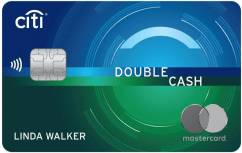
Citi Double Cash® Card
Intro APR:0% for 18 months on Balance Transfers
Ongoing APR:17.49% - 27.49% (Variable)
Rewards:2% (cash back)
Annual Fee:$0
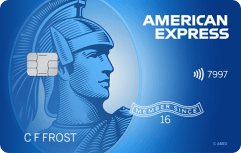
Blue Cash Everyday® Card from American Express
Intro bonus:As High As $200 Cash Back. Find Out Your Offer.
Intro APR:0% on Purchases and Balance Transfers for 15 months
Ongoing APR:19.49%-28.49% Variable
Rewards:1% - 3% (cash back)
Annual Fee:$0
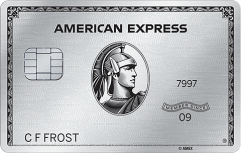
American Express Platinum Card®
Intro bonus:As high as 175,000 points. Find out your offer.
Ongoing APR:See Pay Over Time APR
Rewards:1x - 5x (Points per dollar)
Annual Fee:$895
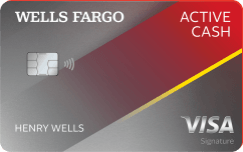
Wells Fargo Active Cash® Card
Intro bonus:$200
Intro APR:0% intro APR for 12 months from account opening on purchases and qualifying balance transfers
Ongoing APR:18.49%, 24.49%, or 28.49% Variable APR
Rewards:2% (Cash Rewards)
Annual Fee:$0

Discover it® Cash Back
Intro bonus:Cashback Match™
Intro APR:0% intro APR for 15 months on Purchases and Balance Transfers
Ongoing APR:17.49% - 26.49% Variable APR
Rewards:1% - 5% (cash back)
Annual Fee:$0

Avant® Cashback Rewards Mastercard®
Ongoing APR:29.99%*
Rewards:2% (cash back)
Annual Fee:$0*

The opensky® Secured Visa® Credit Card
Ongoing APR:23.89% Variable
Rewards:10% (cash back)
Annual Fee:$35

Credit One Bank American Express® Card for Rebuilding Credit
Ongoing APR:29.74% Variable
Rewards:1% (cash back)
Annual Fee:$75 First year. $99 thereafter, billed monthly at $8.25
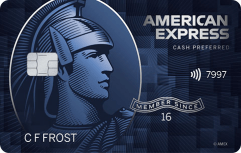
Blue Cash Preferred® Card from American Express
Intro bonus:As High As $300 Cash Back. Find Out Your Offer.
Intro APR:0% on Purchases and Balance Transfers for 12 months
Ongoing APR:19.49%-28.49% Variable
Rewards:1% - 6% (cash back)
Annual Fee:$0 intro annual fee for the first year, then $95.
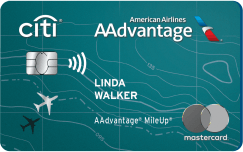
American Airlines AAdvantage® MileUp® Card
Intro APR:0% for 15 months on Balance Transfers
Ongoing APR:19.49% - 29.49% (Variable)
Rewards:2x (Miles per dollar)
Annual Fee:$0
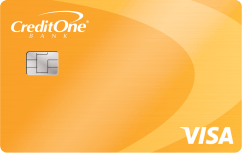
Credit One Bank® Secured Card
Ongoing APR:29.74% Variable
Rewards:1% (cash back)
Annual Fee:$0
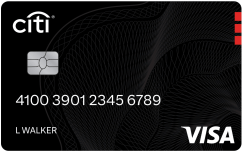
Costco Anywhere Visa® Card by Citi
Ongoing APR:18.74% - 26.74% (Variable)
Rewards:1% - 5% (cash back)
Annual Fee:$0
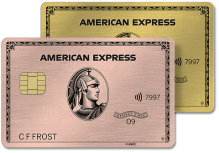
American Express® Gold Card
Intro bonus:As high as 100,000 points. Find out your offer.
Ongoing APR:See Pay Over Time APR
Rewards:1x - 4x (Points per dollar)
Annual Fee:$325
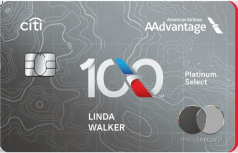
Citi® / AAdvantage® Platinum Select® World Elite Mastercard®
Ongoing APR:19.49% - 29.49% (Variable)
Rewards:2x (Miles per dollar)
Annual Fee:$99, waived for first 12 months

Avant® Cashback Rewards Mastercard®
Ongoing APR:35.99%*
Rewards:1% (cash back)
Annual Fee:$75*
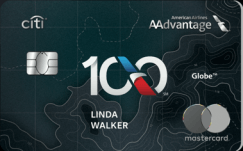
Citi® / AAdvantage® Globe™ Mastercard®
Ongoing APR:19.49% - 29.49% (Variable)
Rewards:1x - 6x (Miles per dollar)
Annual Fee:$350

Avant® Cashback Rewards Mastercard®
Ongoing APR:35.99%*
Rewards:1% (cash back)
Annual Fee:$39*
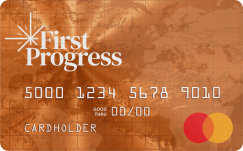
First Progress Select Secured Mastercard® Cash Back Rewards
Ongoing APR:17.49% Variable
Rewards:1% - 10% (cash back)
Annual Fee:$39
Credit One Bank® Platinum Visa®
Ongoing APR:29.74% Variable
Rewards:1% (cash back)
Annual Fee:$39

Credit One Bank® Wander® American Express® with Dining, Gas & Travel Rewards
Ongoing APR:29.74% Variable
Rewards:1% - 10% (cash back)
Annual Fee:$95
Hilton Honors American Express Card
Intro bonus:70,000 Points
Ongoing APR:19.49%-28.49% Variable
Rewards:3x - 7x (Points per dollar)
Annual Fee:$0
Marriott Bonvoy Brilliant® American Express® Card
Intro bonus:200,000 Points
Ongoing APR:19.49%-28.49% Variable
Rewards:2x - 6x (Points per dollar)
Annual Fee:$650

Discover it® Miles
Intro bonus:Discover Match®
Intro APR:0% intro APR for 15 months on Purchases and Balance Transfers
Ongoing APR:17.49% - 26.49% Variable APR
Rewards:1.5x (Miles per dollar)
Annual Fee:$0
Delta SkyMiles® Reserve American Express Card
Intro bonus:As High As 100,000 Bonus Miles. Find Out Your Offer.
Ongoing APR:19.49%-28.49% Variable
Rewards:1x - 3x (Miles per dollar)
Annual Fee:$650
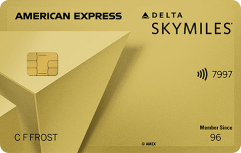
Delta SkyMiles® Gold American Express Card
Intro bonus:As High As 80,000 Bonus Miles. Find Out Your Offer.
Ongoing APR:19.49%-28.49% Variable
Rewards:1x - 2x (Miles per dollar)
Annual Fee:$0 introductory annual fee for the first year, then $150.
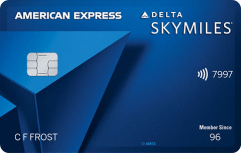
Delta SkyMiles® Blue American Express Card
Intro bonus:10,000 Miles
Ongoing APR:19.49%-28.49% Variable
Rewards:1x - 2x (Miles per dollar)
Annual Fee:$0
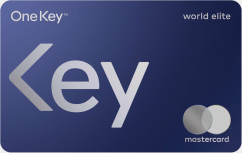
One Key™ Card
Intro bonus:$300
Ongoing APR:18.49%, 23.49%, or 28.49% Variable APR
Rewards:1.5x - 3x (Points per dollar)
Annual Fee:$0
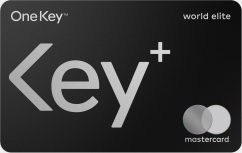
One Key+™ Card
Intro bonus:$350
Ongoing APR:18.49%, 23.49%, or 28.49% Variable APR
Rewards:2x - 3x (Points per dollar)
Annual Fee:$99

Avant® Cashback Rewards Mastercard® - With A Higher Credit Limit
Ongoing APR:35.99%*
Rewards:1% (cash back)
Annual Fee:$125*

Avant® Cashback Rewards Mastercard®
Ongoing APR:35.99%*
Rewards:1% (cash back)
Annual Fee:$0*
See all our best rewards credit cards for 2026.
2. Always Pay Your Credit Card Bill on Time
Paying a credit card bill late can incur late fees or penalty APRs. Because payment history is the biggest factor in your credit score, a late payment can also damage your credit. Once your bill is 30 days past due, the credit card issuer can report it to credit bureaus. This negative mark remains on your credit report for seven years.
Streamline your monthly bill payments to stay on top of due dates. You can set phone and calendar reminders to pay bills, schedule one day a month to pay all your bills or set up automatic payments to cover at least your minimum amount due. You can easily add extra payments during the month or set your autopay for a higher amount—just make sure there's enough in your bank account to cover it.
3. Pay More Than the Minimum Payment
Making a minimum payment is better than missing a payment, but paying your credit card bill in full every month is ideal. If making the minimum payment leaves a balance on your account, you'll incur interest on that amount. Credit cards charge compound interest—interest on your balance and on the interest that accrues—which can get expensive.
To avoid accumulating interest, pay your statement balance in full. If you can't pay the entire statement balance, pay as much as you can.
Paying just the minimum balance on a high credit card balance can mean ending up in a debt cycle that's hard to escape. Use a credit card payoff calculator to create a plan to pay down your debt.
4. Keep Credit Card Balances Low
Storing your credit card information with online retailers or linking it to digital payment accounts makes spending so simple, you can easily overspend without realizing it until the bill arrives. The lure of rewards or introductory bonuses might also tempt you to overspend.
To keep your card balances low enough to pay off each month, set a budget and avoid impulse purchases. Using credit cards for things you'd buy anyway (such as groceries or gas) instead of for splurges or impulse buys can help you keep spending in check. You can maximize credit card rewards by matching the card to the purchase; for instance, use a card offering cash back on groceries at the supermarket.
A growing credit card balance can hurt your credit score if your credit utilization ratio gets too high. This ratio compares the amount of credit you have available to the amount you're currently using. A credit utilization ratio of 30% or more can have a more significant negative effect on your credit score.
To avoid negative impacts on your credit, aim to keep credit utilization below 30% (for a card with a $1,000 credit limit, that's a balance of under $300). Those with the highest credit scores tend to keep their utilization below 10%.
5. Set Up Account Alerts
Putting text or email alerts on your credit card accounts can help you track your spending, prevent late payments and spot fraud. Alert options may vary by card issuer, but you can usually choose:
Payment and Balance Alerts
- Payment due date reminders: Choose when you want to be notified that an upcoming payment is due.
- Payments posted: Get confirmation that your payment was accepted.
- Approaching credit limit: Receive an alert when your balance surpasses a certain amount.
- Balance updates: Get notifications of your current balance.
Transaction Alerts
- Purchase alert: Receive alerts when any purchase is made, or only certain types of purchases, such as those over a certain amount; purchases at gas stations; or online, phone or mail purchases.
- Foreign transaction alert: Learning that your card was used in Paris when you were in Seattle, for example, can help you catch fraud early.
- Card declined alert: Notification that your card is declined can also signal fraud.
- Cash advance alert: Know when cash advances go through or when a criminal has received a cash advance.
- Balance transfer alert: Get notified when your balance transfer is complete or a thief attempts a balance transfer.
Common Credit Card Mistakes to Avoid
In addition to following the steps above, you should avoid these common credit card mistakes.
Maxing Out Your Credit Card
Credit scoring models measure utilization of each credit card and of all your cards in total. Even if your total credit utilization ratio is below 30%, using more than 30% of your available credit on one card can negatively impact your credit score. Maxing out a credit card can also be a sign you're living above your means and need to cut back. To get your credit card balance under control, stop using the card and make a plan to pay down the debt. This might mean putting yourself on a strict budget or getting a side gig to earn extra money.
Closing Unused Credit Cards
Closing a credit card you no longer use may seem like a smart move, but it can actually harm your credit score. Closing an account reduces your total available credit, instantly raising your credit utilization rate. A long history of using credit is a plus; closing a card lowers the average age of your credit accounts, which can ding your credit score. If the card has a fee, see if you can downgrade to a card without one. If it doesn't have a fee, use the card regularly for one small purchase a month, such as a streaming subscription, and make on-time payments to positively impact your credit score.
Card Smarts
Savvy use of credit cards can boost your financial health. So can monitoring your credit score. Experian's free credit monitoring service gives you access to your Experian credit report and FICO® ScoreΘ, plus real-time alerts of changes to your credit report so you can quickly address potential problems.
If your credit score isn't where you'd like it to be, bringing late accounts current and paying bills on time can help improve it. Looking for a new credit card? Use Experian's card comparison tool to shop for cards that fit your credit profile.
Don’t apply blindly
Apply for credit cards confidently with personalized offers based on your credit profile. Get started with your FICO® Score for free.
See your offers
About the author

Karen Axelton
Karen Axelton is Experian’s in-house senior personal finance writer. She has over 20 years of experience as a journalist and has written or ghostwritten content for a variety of financial services companies.
Read more from Karen