
 By Ben Luthi
 Edited by Michelle TipswordBy Ben LuthiEdited by Michelle Tipsword
You can improve your credit score in 30 days by lowering your credit card balances, becoming an authorized user, adding on-time payments and disputing credit report errors. Keep in mind that the impact depends on your credit profile.

Improving your credit score doesn't happen overnight, especially if you've made some serious mistakes in the recent past. It can take several months or even years to build and maintain an excellent credit history.
That said, the sooner you start working on your credit score, the faster you'll see results. Depending on the makeup of your credit profile, you may start seeing improvements in as little as 30 days by reducing debt balances, becoming a credit card authorized user and more. Here are steps you can take that can have a positive credit score impact more quickly.
Your FICO® ScoreΘ—the credit score used by 90% of top lenders—is influenced by five factors in your relationship with your creditors. Understanding each one and how much they impact your score can help you prioritize your efforts to improve your credit history.
Your debt payment history is the most influential factor in your FICO® Score, making it the most important thing to focus on. Paying on time every month is crucial to maintaining a positive payment history.
If you miss just one payment by 30 days or more, your score could drop significantly. And, the more an account falls behind, the larger the impacts can become. Accounts that enter collections have more severe consequences, for instance, as do other negative events such as foreclosures.
Tip: Just one payment made 30 or more days late damages your credit score, and late payments can remain on your report for up to seven years. Stay on top of your payments by enrolling in autopay. Just be sure you have enough money in your bank account to cover automatic payments.
The total amount you owe is a factor in your credit score, but this component focuses mostly on your credit utilization rate—how much of your credit cards' available credit you're using. Experts recommend keeping your utilization below 30% to avoid more serious credit score damage. Those with the highest scores often keep their utilization below 10%. The lower it is, the better.
Your length of credit history makes up a smaller part of your score and includes how long you've been using credit, as well as the average age of your credit accounts. Opening multiple credit accounts in a short period or closing old credit cards can significantly decrease the average age of your accounts.
Credit Mix (10%) Your credit mix indicates how well you can manage different types of credit responsibly. For example, having a mix of credit cards, an auto loan, a student loan and a mortgage can be better than just having one. This factor is not likely to make a huge impact on your score over a short period, so avoid targeting your credit mix as a quick fix.
The final 10% of your FICO® Score is determined by new credit accounts. Virtually every time you apply for credit, the lender will run a hard inquiry on one or more of your credit reports, which may cause your credit score to dip slightly for a short time. However, if you apply for multiple credit accounts in a short period (excluding when you're rate shopping for certain types of loans), it could have a negative compounding effect. If you're trying to improve your credit score in the short term, it's best to avoid unnecessary credit applications.
Learn more: The Complete Guide to Understanding Credit Scores
The impact that any individual credit move will have on your score depends on your unique credit profile. So, knowing exactly what's influencing your score is helpful if you want to improve.
Before you dive into the tips below, check your credit scores for free through Experian. You'll get a sense of how well you're handling the five factors that impact your credit (broken down above). You'll also get to see personalized ideas for what you can do to make adjustments for the better. Use this to guide your next moves.
Reminder: Checking your own credit is a soft inquiry on your credit report and won't hurt your credit scores.
Your credit utilization rate changes as your credit card and other revolving credit account balances change.
If you have the means to pay down large balances in a short period—either with cash or via a consolidation loan—your credit score can improve when your lenders report the lower balance. If your utilization rate was previously high, the improvement can be significant.
Learn more: What Is the Best Credit Utilization Ratio?
If you have a family member who uses their credit cards responsibly—meaning they pay on time and maintain a low utilization rate—consider asking them to add you to the account as an authorized user.
Once you're listed as an authorized user, the credit card company will report it to the credit bureaus, and the entire history of the account will be added to your credit reports as a tradeline. As long as the primary cardholder continues to use the card responsibly, you could see an immediate improvement.
Be aware: If you're considering asking a loved one to add you as an authorized user, be sure you're confident that they manage their account well. Being an authorized user can help your credit if the primary cardholder always pays their bill on time and keeps the balance low. If they aren't reliable, becoming an authorized user could actually hurt your score.
Historically, only credit accounts have been reported to the national credit bureaus. But with Experian Boost®ø, you can also add your eligible utility, phone, rent, insurance and even streaming service payments to your Experian credit file for free to try to boost your FICO® Score based on Experian data.
To use Experian Boost, you'll connect your bank account and verify eligible positive payments. Once they're added to your Experian credit report, you'll be able to see the results instantly.
Add any bank accounts you use to pay your bills. Your information remains private.
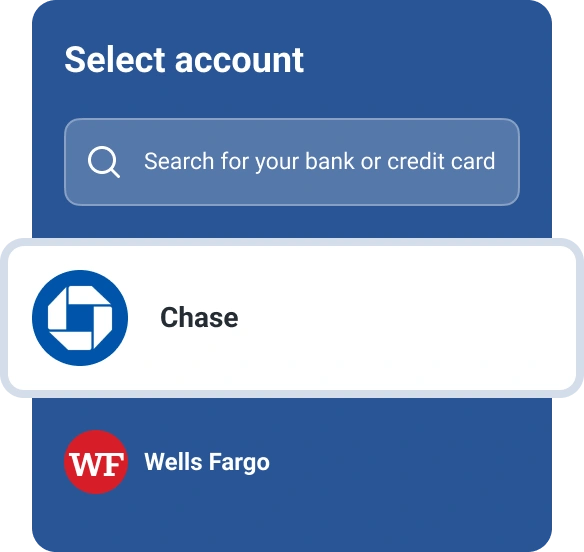
We’ll detect bills with on-time payments, and you can add them to your Experian credit file.

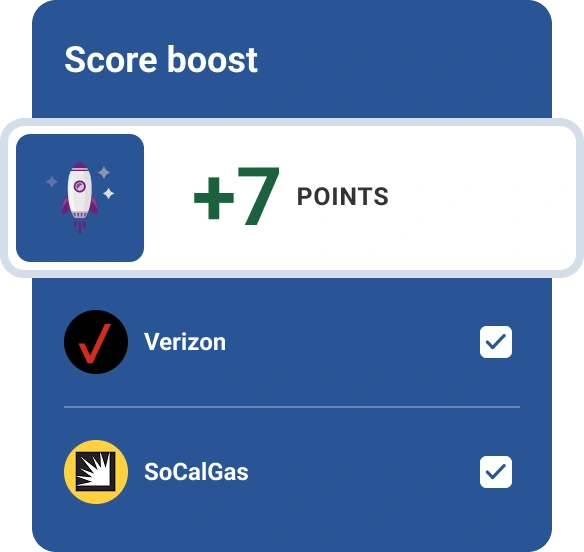
You’ll find out right away if your credit scores increased and by how many points.
Rarely, creditors may report inaccurate or unsubstantiated information to the credit bureaus, and if it's negative, it could damage your credit score.
That's why it's crucial to check your credit report regularly to make sure everything is accurate. If you find information you don't recognize, you have the right to file a dispute with the credit bureaus.
The credit bureaus will investigate your request and typically provide a resolution within 30 days. If their research supports your claim, the information will be removed or modified, and your credit score will reflect that change.
Although there are things you can do to improve your credit score within a month or two, it's important to prioritize a long-term strategy for building and maintaining excellent credit so you don't have to look for short-term solutions again in the future. While quick wins for your credit can be exciting, building creditworthiness is a journey.
As you work to build credit, consider signing up for free credit monitoring with Experian to get personalized insights on how you can improve your credit and easily track your progress.
Use Experian Boost® to get credit for the bills you already pay like utilities, mobile phone, video streaming services and now rent.
No credit card required

Ben Luthi
Ben Luthi has worked in financial planning, banking and auto finance, and writes about all aspects of money. His work has appeared in Time, Success, USA Today, Credit Karma, NerdWallet, Wirecutter and more.
Read more from Ben