
 By Susan Shain
Can I Get a Credit Card at 16?
By Susan Shain
You finally turned 16!
You can get a driver's license, donate blood (in some states, with parental consent) and maybe even get a later curfew.
But can you get a credit card at 16? Here's what you need to know.
How Old Do You Have to Be to Get a Credit Card?
You can't get your own credit card if you're under the age of 18. But you can become an authorized user (more on that below).
Even after you turn 18, the Credit CARD Act of 2009 states you'll need to have either proof of independent income or a cosigner over the age of 21. Since most card issuers don't allow cosigners, that means you'll generally need to A) be at least 18 and B) have income through a job or scholarship before you can get your own starter credit card.
Under 18? Your best bet is to become an authorized user on someone else's credit card.
What Credit Cards Can 16-Year-Olds Get?
As a 16-year-old, your only real entrance into the credit card kingdom is to become an authorized user on the card of a trusted adult. For simplicity's sake, let's just say that's one of your parents.
All of the major credit card issuers allow authorized users who are 16. Many of them have no minimum age requirements whatsoever, meaning you could become an authorized user as soon as your parents decide you're ready.
As an authorized user, you'll receive your own credit card—with your name on it and everything!—but it'll have the same number as your parent's credit card.
While you'll be able to make purchases on the credit card (with your parent's permission, of course), you won't be legally responsible for the bill. Just be sure you know whether your parents expect you to cover most or all of your spending, and know that they will get a detailed breakdown of everything you spend.
How Becoming an Authorized User Affects Your Credit
As a 16-year-old, you probably don't have a credit report because you haven't taken out credit yet. When your parent adds you as an authorized user, the credit card issuer will report the new account to the credit bureaus—which will, in turn, generate a credit report.
If your parent's credit card is in good standing—if they're carrying a low balance and paying their bill on time—getting added as an authorized user will likely help build your credit scores. That's why it's important to only become an authorized user on the card of an adult with good financial habits.
Another crucial thing to check is whether your parent's credit card issuer reports the behavior of underage authorized users to all three major credit bureaus.
Alternatives to Credit Cards for 16-Year-Olds
Not quite ready to become an authorized user on a credit card?
If you want a card that will let you learn to budget or stop carrying cash, then consider getting a debit card or prepaid card instead.
Debit cards are connected to your bank account. They allow you to spend the balance in your checking account, either by withdrawing cash from the ATM or swiping the card at stores. While convenient, they don't help you build credit (since you are spending your own money every time you use the card).
Prepaid cards are the ones you see hanging on the rack at pharmacies, supermarkets and gas stations. You buy them for a set amount—say, $100—and can refill them as needed. Just be warned that they often come with a slew of fees.
Pros and Cons of Getting a Credit Card at 16
Even if you're set on getting a credit card at 16, you should make sure you're well-versed in the pros and cons of your decision.
Here are the pros:
- Build credit. As long as the primary cardholder's account is in good standing, becoming an authorized user is one of the best ways to build credit before college. Then, once you turn 18, you might be able to get credit—such as auto loans or private student loans—without a cosigner.
- Practice good financial habits. Using credit from a young age can teach you important skills such as budgeting, paying bills on time and spending less than you earn.
- Have access to emergency backup. Out of gas? Forgot to pay for a field trip? A credit card can offer an easy way to cover last-minute needs.
- Enjoy enhanced security. Most credit cards offer $0 fraud liability policies, making them superior to debit cards if your information is compromised.
- Earn rewards. The primary cardholder (usually your parent) may be able to get credit card rewards from your spending. If you're lucky, maybe they'll share!
Best rewards cards of 2026
Compare cards from our partners that earn points, cash back or miles on everyday spending.
Offers from our partners
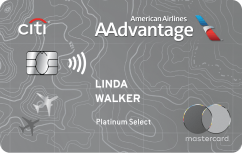
Citi® / AAdvantage® Platinum Select® World Elite Mastercard®
Ongoing APR:19.49% - 29.49% (Variable)
Rewards:
2x (Miles per dollar)
Earn 2 AAdvantage® miles for every $1 spent at gas stations and restaurants, and on eligible American Airlines purchases. Earn 1 Loyalty Point for every 1 eligible AAdvantage® mile earned from purchases.
Annual Fee:$99, waived for first 12 months

Avant® Cashback Rewards Mastercard®
Ongoing APR:35.99%*
Rewards:
1% (cash back)
Cash back will be awarded as points redeemable for a statement credit
Annual Fee:$75 first year; then $99/year
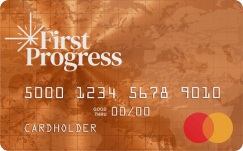
First Progress Select Secured Mastercard® Cash Back Rewards
Ongoing APR:17.49% Variable
Rewards:
1% - 10% (cash back)
Earn up to 10% Cash Back on everyday purchases at participating dining, grocery, retail, and other eligible merchants, plus 1% Cash Back on payments made to your First Progress Card.^^
Annual Fee:$39

Credit One Bank® Wander® American Express® Card with Dining, Gas & Travel Rewards
Ongoing APR:29.74% Variable
Rewards:
1% - 10% (cash back)
Earn 5% cash back rewards on eligible dining, gas, & travel purchases, 1% cash back rewards on all other purchases, and 10% cash back rewards on eligible hotel and car rentals booked using the Credit One Bank travel partner. Cash back rewards will be awarded as rewards points redeemable for a statement credit, gift cards, travel, and more. Terms apply.
Annual Fee:$95
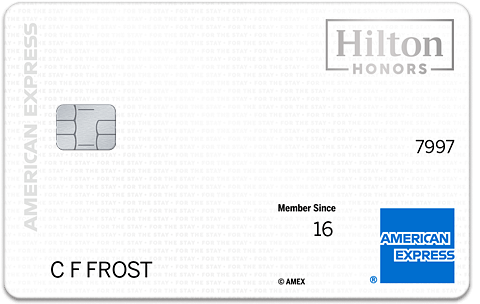
Hilton Honors American Express Card
Intro bonus:
70,000 Points
Earn 70,000 Bonus Points plus a Free Night Reward after you spend $2,000 in purchases on the card in the first 6 months of Card Membership. Offer ends 01/13/2027.
Ongoing APR:19.74%-28.74% Variable
Rewards:
3x - 7x (Points per dollar)
Earn 7X Hilton Honors Bonus Points for each dollar of eligible purchases charged on your Card directly with a hotel or resort within the Hilton portfolio. Earn 5X Hilton Honors Bonus Points for each dollar of eligible purchases on your Card: at U.S. restaurants, at U.S. supermarkets, at U.S. gas stations. Earn 3X Hilton Honors Bonus Points for all other eligible purchases on your Card.
Annual Fee:$0
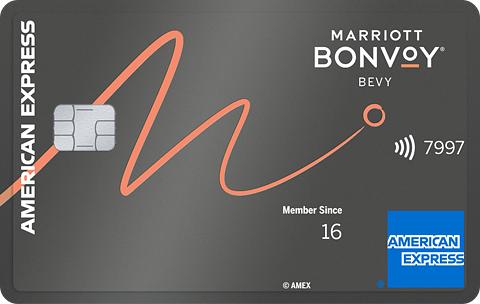
Marriott Bonvoy Bevy® American Express® Card
Intro bonus:
125,000 Bonus Points + a $150 Statement Credit
Earn 125,000 Marriott Bonvoy® bonus points plus a $150 statement credit after you use your new Card to make $5,000 in purchases within the first 6 months of Card Membership. Offer ends 09/30/2026.
Ongoing APR:19.74%-28.74% Variable
Rewards:
2x - 6x (Points per dollar)
Earn 6X Marriott Bonvoy® points for each dollar of eligible purchases at hotels participating in Marriott Bonvoy®. Earn 4X points at restaurants worldwide and U.S. Supermarkets (on up to $15,000 in combined purchases at restaurants and U.S. supermarkets per calendar year, then 2X points). Earn 2X points on all other eligible purchases.
Annual Fee:$250

Avant® Cashback Rewards Mastercard®
Ongoing APR:29.99%*
Rewards:
1% (cash back)
Cash back will be awarded as points redeemable for a statement credit
Annual Fee:$0*
Bank of America® Customized Cash Rewards credit card
Intro bonus:
$200
$200 online cash rewards bonus after you make at least $1,000 in purchases in the first 90 days of account opening
Intro APR:0% Intro APR for 15 billing cycles for purchases, and for any balance transfers made in the first 60 days
Ongoing APR:17.49% - 27.49% Variable
Rewards:
1% - 6% (cash back)
Earn 6% cash back for the first year in the category of your choice. You’ll automatically earn 2% cash back at grocery stores and wholesale clubs, and unlimited 1% cash back on all other purchases. After the first year from account opening, you’ll earn 3% cash back on purchases in your choice category. Earn 6% and 2% cash back on the first $2,500 in combined purchases each quarter in the choice category, and at grocery stores and wholesale clubs, then earn unlimited 1% thereafter. After the 3% first-year bonus offer ends, you will earn 3% and 2% cash back on these purchases up to the quarterly maximum.
Annual Fee:$0
See all our best rewards credit cards for 2026.
And, though there's just one con, it's a big one: Credit cards are a serious financial responsibility.
If you go on a spending spree, the primary cardholder is legally responsible for paying the bill. There's no get-out-of-jail-free card simply because you're a teen.
If your parent can't pay the bill, they could be hit with interest charges and late fees, and could incur serious damage to their credit scores. That's a big deal; it could make it more difficult for them to get a job or a house.
Understand How Credit Works Before Getting a Credit Card
Before begging your parents to add you as an authorized user on their card, take some time to learn the basics of credit cards and credit scores, and how the former can impact the latter.
Make sure you understand why you should pay your statement balance in full (hint: you'll avoid interest!), never pay late (because it's really bad for your scores) and always keep a low credit utilization ratio.
Should You Get an Underage Credit Card?
As a 16-year-old, one of your best ways to build credit is becoming an authorized user on the card of a trusted adult. Until you turn 18, in fact, it's your only real option for obtaining or using credit.
That said, it's a big responsibility. Make sure you fully understand how credit cards work before becoming an authorized user, so you can avoid mistakes that will haunt you—and your parents—for years to come.
Don’t apply blindly
Apply for credit cards confidently with personalized offers based on your credit profile. Get started with your FICO® Score for free.
See your offers
About the author
Susan Shain
Susan Shain is a freelance writer who specializes in turning complex financial topics into engaging and accessible articles. She's been covering personal finance for seven years, and was previously the senior writer at The Penny Hoarder and a staff writer at Student Loan Hero.
Read more from Susan