 By Ben Luthi
 Edited by Samuel MountjoyBy Ben LuthiEdited by Samuel Mountjoy
A starter credit card is designed for people with limited or no credit history. Using one responsibly helps you build a credit history, qualify for better cards and loans, and unlock more financial opportunities over time.

If you've never had a credit card or loan, you may find yourself in a familiar bind: Most lenders want to see a credit history before they'll approve you, but you can't build one without first getting approved. A starter credit card is designed to help break that cycle.
A starter credit card is one that's designed for people who have a limited credit history or no experience with credit at all. These cards are generally easier to qualify for than traditional credit cards, and using one responsibly can help you establish a credit history over time.
A starter credit card gives people with little or no credit history a way to enter the credit system and begin building a credit profile. Unlike premium cards that require good or excellent credit to qualify, starter cards are designed with accessibility in mind.
When you use a starter card and pay your bill on time each month, that activity gets reported to the credit bureaus. Over time, a consistent record of on-time payments and responsible use helps establish a positive credit history.
Compare secured cards from our partners that can help you build or rebuild your credit and earn cash back while you spend.
Offers from our partners
The opensky® Secured Visa® Credit Card
Ongoing APR:23.89% Variable
Rewards:10% (cash back)
Annual Fee:$35
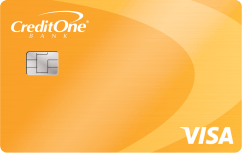
Credit One Bank® Secured Card
Ongoing APR:29.74% Variable
Rewards:1% (cash back)
Annual Fee:$0
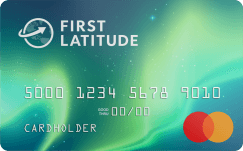
First Latitude Secured Mastercard® Cash Back Rewards
Ongoing APR:27.49% Variable
Rewards:1% - 10% (cash back)
Annual Fee:$0
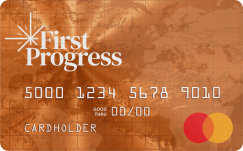
First Progress Prestige Secured Mastercard® Cash Back Rewards
Ongoing APR:13.49% Variable
Rewards:1% - 10% (cash back)
Annual Fee:$49
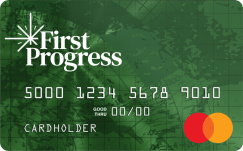
First Progress Select Secured Mastercard® Cash Back Rewards
Ongoing APR:17.49% Variable
Rewards:1% - 10% (cash back)
Annual Fee:$39
See all our best secured credit cards for 2026.
Most starter credit cards fall into one of four categories. Here's a look at your options.
A secured credit card requires a refundable security deposit—typically equal to your desired credit limit—to get approved. Because the deposit reduces the lender's risk, secured cards tend to be easier to qualify for than unsecured cards.
In most cases, you'll get the deposit back when you close the account. Some issuers may also refund the deposit while the account is still open, effectively converting the card into an unsecured account. Many secured cards charge an annual fee, but some of the best secured cards don't.
Student credit cards are designed for college students who are new to credit. Unlike secured cards, they don't require a security deposit. Most don't charge an annual fee, and many offer rewards on everyday spending.
Being a college student doesn't guarantee approval, though. Issuers will still evaluate your credit history (if you have one) and income.
Some card issuers offer unsecured cards specifically for people with bad or no credit. These cards don't require a deposit, but they typically come with higher interest rates and fees to offset the lender's risk.
In some cases, you could be required to pay a one-time processing or program fee when you get approved, a monthly fee, an annual fee and an annual percentage rate (APR) upwards of 30%.
A hybrid debit-credit card combines features of both a debit card and a credit card. Like a credit card, you make purchases and pay them off, and the issuer reports your account activity to the credit bureaus to help you build a credit history.
But unlike a traditional credit card, your spending is typically limited to the funds you have in a linked account, so you can't carry a balance or accumulate interest charges.
They're sometimes billed as secured credit cards, but these cards generally don't require a credit check to qualify, and many don't charge annual or monthly fees.
Starter cards often come with fewer perks and higher rates than cards for established borrowers. But the long-term benefits of building credit early make them worth considering. Here's why:
Not all starter cards are equal. Here's what to look for when comparing your options:
Once you have your starter card, how you use it matters just as much as having it. Keep these habits in mind:
Getting a starter credit card is one of the most reliable ways to begin building credit, but the card itself is just the first step. Consistent, responsible use over time is what turns a starter card into a strong credit history.
If you're just getting started building credit, Experian Go™ can help. The free program can help you establish your credit profile, learn about how credit works and get insights into how to build and maintain good credit over time.
Discover secured credit card offers matched to you, so you can apply with confidence. Get started with your FICO® Score for free.
See your offers
Ben Luthi
Ben Luthi has worked in financial planning, banking and auto finance, and writes about all aspects of money. His work has appeared in Time, Success, USA Today, Credit Karma, NerdWallet, Wirecutter and more.
Read more from Ben