
 By Ben Luthi
 Edited by Michelle TipswordBy Ben LuthiEdited by Michelle Tipsword
You may not have enough information in your credit file to generate a score. This can happen if you have little or no recent credit activity or if your accounts are too new to score.

If you check your credit and don't receive a credit score, that means there is not enough recent activity on your credit report to generate a traditional credit score. This doesn't mean you have bad credit—it simply means the credit bureaus don't have sufficient information to calculate a score.
Understanding why you didn't see a credit score and what you can do about it can help you take the right steps toward building a solid credit history.
When your credit report fails to meet the minimum requirements for credit score calculation, you will not see a traditional credit score. This means your profile doesn't contain tradelines (credit accounts) that satisfy two key criteria: a status date or balance reported within the past six months.
This situation can occur when you have older credit accounts that are no longer reporting recent activity. You may have had credit accounts in the past, but if those accounts haven't shown any updates, such as payments or balance changes, in the past six months, the scoring model can't generate a traditional credit score.
Think of it this way: Credit scoring models need recent information to evaluate how you manage credit. Without current data, though, they simply don't have enough to work with.
Before you can address not having enough credit activity for a credit score, you need to see what's actually on your credit report. Fortunately, checking your credit report is free and straightforward.
With Experian, you can get free access to your Experian credit report anytime. Alternatively, you can get free reports weekly from all three consumer credit bureaus—Experian, TransUnion and Equifax—through AnnualCreditReport.com.
When reviewing your credit reports, look for:
Read more: What Is AnnualCreditReport.com?
Sign up and get instant online access to your FICO® Score for free.
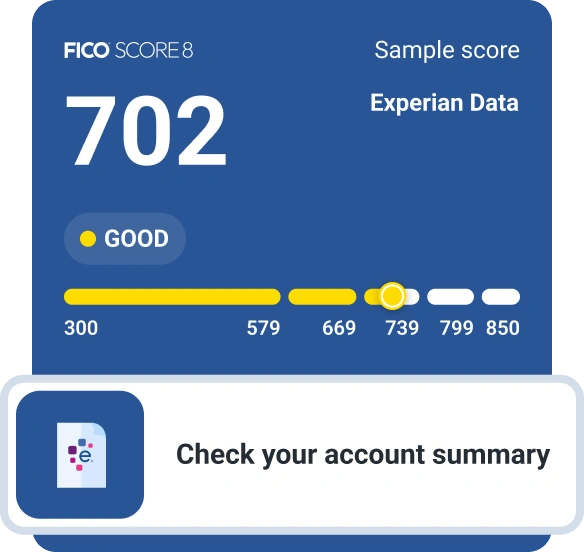
Checking your own credit won’t lower your credit scores.
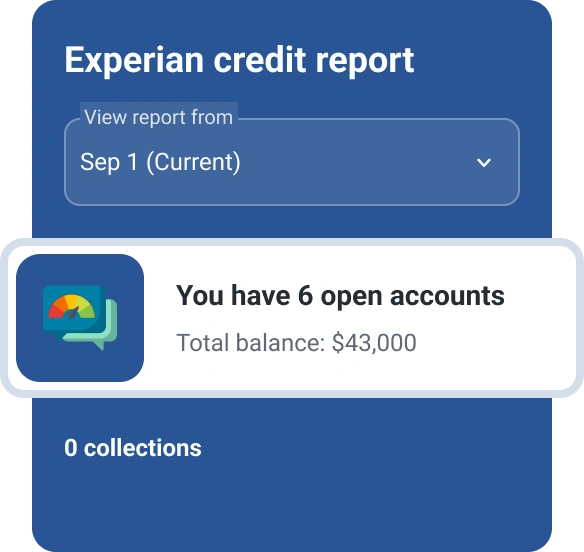
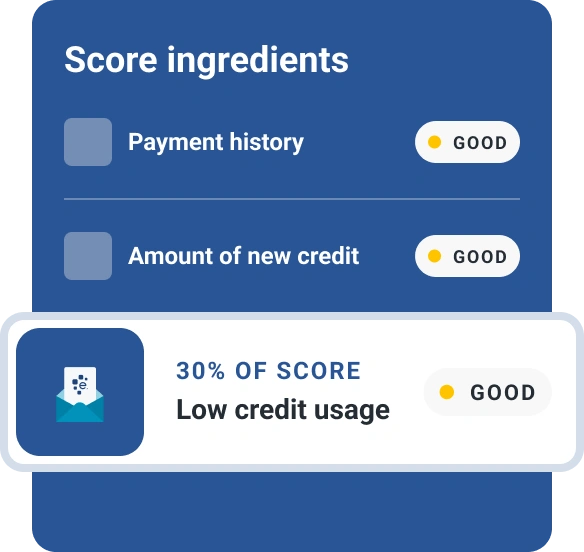
View specific factors that are affecting your score and how to improve it.
If you don't see a traditional credit score when you check your credit, the solution is to establish consistent, recent credit activity. Here are proven strategies to build or rebuild your credit history:
It's also a good idea to sign up for free credit monitoring to track changes to your credit report and catch potential errors or signs of identity theft early. When you see accounts reporting activity and your credit score being calculated, you'll know your efforts are working.
Learn more: How to Establish Credit if You're Unscoreable
Building credit takes time, and FICO scoring models require at least six months of credit history before they can calculate a score. The tips outlined above can help you address your lack of credit activity and establish a good credit score over time.
When you're ready to get started, register for a free Experian account to access your credit report, monitor your progress and see when your credit score becomes available.
Learn what it takes to achieve a good credit score. Review your FICO® Score for free and see what’s helping and hurting your score.
Get your FICO® ScoreNo credit card required

Ben Luthi
Ben Luthi has worked in financial planning, banking and auto finance, and writes about all aspects of money. His work has appeared in Time, Success, USA Today, Credit Karma, NerdWallet, Wirecutter and more.
Read more from Ben