
9 Mistakes to Avoid When Using a Credit Card

Quick Answer
Avoid common credit card mistakes like missing payments, carrying a balance from month to month and neglecting to pay off a balance during an intro 0% APR period.

To avoid common credit card mistakes, like missed payments and lingering balances, set up autopay and aim to pay off your whole balance every month. Think of your credit card as a tool to build credit and to occasionally afford larger purchases that you can pay off within your grace period.
Used thoughtfully, credit cards can be a powerful way to build long-term financial security, since they can help you grow and maintain a good credit score. The better your credit, the greater your access to a range of low-interest mortgages and other types of loans, plus certain utilities, insurance products and even apartment rentals.
But taking advantage of a credit card's benefits requires avoiding some potential pitfalls. Here are the credit card mistakes to steer clear of.
1. Missing a Payment
Payment history is the most significant factor in your credit score. It makes up a full 35% of your FICO® ScoreΘ, for example, and FICO® Scores are used by 90% of top lenders. Your primary goal when using a credit card is to make at least the minimum payment each month, as required by the credit card company, but ideally to pay off your whole balance (more on that below).
If you don't pay on time, the card issuer could charge you a late fee, cut short any interest rate reductions you're currently receiving and report your late payments to the credit bureaus. That will negatively affect your credit. To avoid missing payments, set up autopay and sign up for email or text message reminders each month. Or make small payments multiple times per month—just make sure they all add up to at least the minimum payment each month.
2. Regularly Carrying a Balance
Paying off your entire credit card bill monthly has several advantages. You'll avoid interest charges on the unpaid balance, and you'll also keep your credit utilization rate low.
Credit utilization is the percentage of available credit used on each credit card and across all the cards you own. If you have a credit limit of $5,000 and a current balance of $1,000, your utilization rate on that card is 20%. Utilization can account for up to 30% of your credit score, making it nearly as important as your payment history. Planning to bring your balance to zero as you transition from one billing cycle to the next is the second most powerful way to protect your credit score.
3. Using Much of Your Available Credit Throughout the Month
It's not just important to pay off your balance when the bill comes due. Ideally, you'll also avoid racking up a high credit card balance at any point in your billing cycle. Consumers with the highest FICO® Scores of 800 to 850—considered exceptional—used just 6.5% of their available credit on average, according to Experian data from the third quarter of 2022.
Experts say a worthwhile goal is to never let utilization rise above 30%, but to keep it below 10% if possible. That's most likely to help you earn an excellent score.
4. Letting a Balance Linger Beyond a 0% APR Promotional Period
With a good or excellent credit score, you may qualify for an introductory 0% APR credit card, which gives you a period of time to make purchases or to pay off a transferred balance interest-free. The flip side is that, at the end of the promotional period, your interest rate will jump to the card's standard APR.
With the average APR across all credit card accounts at 20.09% as of February 2023, according to the Federal Reserve, neglecting to pay off a major purchase or a balance transfer before that period ends could mean a big surge in interest charges. It's important to note that you're still required to make at least the minimum payment during the 0% intro APR period to keep your payment history blemish-free.
5. Sharing Your Credit Card Data
Your credit card number, expiration date and security code are sensitive pieces of personal data that are important to protect. If you receive a text message, email or phone call requesting your credit card data, don't provide it. In cases where the request could be legitimate but seems fishy, contact the source separately to double check. Credit card fraud can be sophisticated and difficult to detect, but operating from a place of skepticism any time your data is requested is a good start.
6. Missing Out on Rewards
Credit card rewards like cash back or travel miles can be a way to earn benefits for the things you're already spending money on.
If you can regularly commit to paying off your balance each month, consider, for example, paying monthly utility and subscription bills with your credit card, then opting for a cash back card that will essentially earn you a discount on those payments. Or, if you travel frequently on one airline to visit family, opt for a branded airline card that can get you free checked bags or lounge access. Just make sure the benefits will offset any annual fee you're charged.
Best rewards cards of 2026
Compare cards from our partners that earn points, cash back or miles on everyday spending.
Offers from our partners
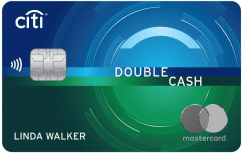
Citi Double Cash® Card
Intro APR:0% for 18 months on Balance Transfers
Ongoing APR:17.49% - 27.49% (Variable)
Rewards:2% (cash back)
Annual Fee:$0
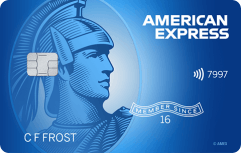
Blue Cash Everyday® Card from American Express
Intro bonus:As High As $200 Cash Back. Find Out Your Offer.
Intro APR:0% on Purchases and Balance Transfers for 15 months
Ongoing APR:19.49%-28.49% Variable
Rewards:1% - 3% (cash back)
Annual Fee:$0
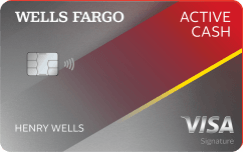
Wells Fargo Active Cash® Card
Intro bonus:$200
Intro APR:0% intro APR for 12 months from account opening on purchases and qualifying balance transfers
Ongoing APR:18.49%, 24.49%, or 28.49% Variable APR
Rewards:2% (Cash Rewards)
Annual Fee:$0

Discover it® Cash Back
Intro bonus:Cashback Match™
Intro APR:0% intro APR for 15 months on Purchases and Balance Transfers
Ongoing APR:17.49% - 26.49% Variable APR
Rewards:1% - 5% (cash back)
Annual Fee:$0

Avant® Cashback Rewards Mastercard®
Ongoing APR:29.99%*
Rewards:2% (cash back)
Annual Fee:$0*

The opensky® Secured Visa® Credit Card
Ongoing APR:23.89% Variable
Rewards:10% (cash back)
Annual Fee:$35

Credit One Bank American Express® Card for Rebuilding Credit
Ongoing APR:29.74% Variable
Rewards:1% (cash back)
Annual Fee:$75 First year. $99 thereafter, billed monthly at $8.25
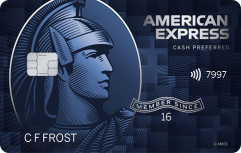
Blue Cash Preferred® Card from American Express
Intro bonus:As High As $300 Cash Back. Find Out Your Offer.
Intro APR:0% on Purchases and Balance Transfers for 12 months
Ongoing APR:19.49%-28.49% Variable
Rewards:1% - 6% (cash back)
Annual Fee:$0 intro annual fee for the first year, then $95.
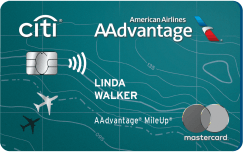
American Airlines AAdvantage® MileUp® Card
Intro APR:0% for 15 months on Balance Transfers
Ongoing APR:19.49% - 29.49% (Variable)
Rewards:2x (Miles per dollar)
Annual Fee:$0
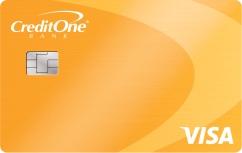
Credit One Bank® Secured Card
Ongoing APR:29.74% Variable
Rewards:1% (cash back)
Annual Fee:$0
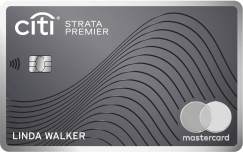
Citi Strata Premier® Card
Intro bonus:60,000 Points
Ongoing APR:19.49% - 27.49% (Variable)
Rewards:1x - 10x (Points per dollar)
Annual Fee:$95

Avant® Cashback Rewards Mastercard®
Ongoing APR:35.99%*
Rewards:1% (cash back)
Annual Fee:$0*
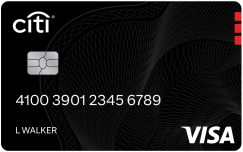
Costco Anywhere Visa® Card by Citi
Ongoing APR:18.74% - 26.74% (Variable)
Rewards:1% - 5% (cash back)
Annual Fee:$0

Avant® Cashback Rewards Mastercard®
Ongoing APR:35.99%*
Rewards:1% (cash back)
Annual Fee:$75*
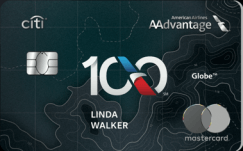
Citi® / AAdvantage® Globe™ Mastercard®
Ongoing APR:19.49% - 29.49% (Variable)
Rewards:1x - 6x (Miles per dollar)
Annual Fee:$350

Avant® Cashback Rewards Mastercard®
Ongoing APR:35.99%*
Rewards:1% (cash back)
Annual Fee:Introductory fee of $75 for the first year. After that, $99 annually.*

Credit One Bank® Platinum X5 Visa® Metal Card
Ongoing APR:29.74% Variable
Rewards:1% - 5% (cash back)
Annual Fee:$95
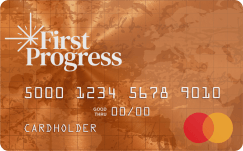
First Progress Select Secured Mastercard® Cash Back Rewards
Ongoing APR:17.49% Variable
Rewards:1% - 10% (cash back)
Annual Fee:$39

Credit One Bank® Premier American Express® Credit Card
Ongoing APR:29.74% Variable
Rewards:1% (cash back)
Annual Fee:$39

Credit One Bank® Wander® American Express® with Dining, Gas & Travel Rewards
Ongoing APR:29.74% Variable
Rewards:1% - 10% (cash back)
Annual Fee:$95
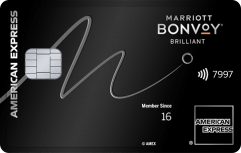
Marriott Bonvoy Brilliant® American Express® Card
Intro bonus:200,000 Points
Ongoing APR:19.49%-28.49% Variable
Rewards:2x - 6x (Points per dollar)
Annual Fee:$650

Discover it® Miles
Intro bonus:Discover Match®
Intro APR:0% intro APR for 15 months on Purchases and Balance Transfers
Ongoing APR:17.49% - 26.49% Variable APR
Rewards:1.5x (Miles per dollar)
Annual Fee:$0
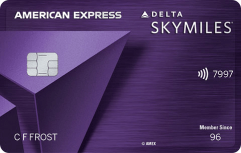
Delta SkyMiles® Reserve American Express Card
Intro bonus:As High As 100,000 Bonus Miles. Find Out Your Offer.
Ongoing APR:19.49%-28.49% Variable
Rewards:1x - 3x (Miles per dollar)
Annual Fee:$650
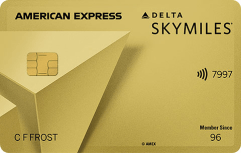
Delta SkyMiles® Gold American Express Card
Intro bonus:As High As 80,000 Bonus Miles. Find Out Your Offer.
Ongoing APR:19.49%-28.49% Variable
Rewards:1x - 2x (Miles per dollar)
Annual Fee:$0 introductory annual fee for the first year, then $150.

Credit One Bank® Premier American Express® Unlimited Rewards Card
Ongoing APR:29.74% Variable
Rewards:1% (cash back)
Annual Fee:$0
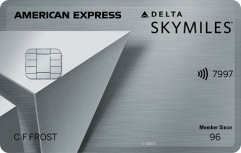
Delta SkyMiles® Platinum American Express Card
Intro bonus:As High As 90,000 Bonus Miles. Find Out Your Offer.
Ongoing APR:19.49%-28.49% Variable
Rewards:1x - 3x (Miles per dollar)
Annual Fee:$350

Hilton Honors American Express Surpass® Card
Intro bonus:130,000 Points
Ongoing APR:19.49%-28.49% Variable
Rewards:3x - 12x (Points per dollar)
Annual Fee:$150
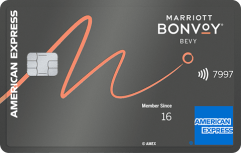
Marriott Bonvoy Bevy® American Express® Card
Intro bonus:175,000 Points
Ongoing APR:19.49%-28.49% Variable
Rewards:2x - 6x (Points per dollar)
Annual Fee:$250

Avant® Cashback Rewards Mastercard® - With A Higher Credit Limit
Ongoing APR:35.99%*
Rewards:1% (cash back)
Annual Fee:$125*

Avant® Cashback Rewards Mastercard®
Ongoing APR:35.99%*
Rewards:1% (cash back)
Annual Fee:$0*
See all our best rewards credit cards for 2026.
7. Losing the Flexibility of Your Grace Period
Credit cards offer a crafty way to give yourself extra time to pay off big purchases: the grace period, which is the period of time between your statement closing date and your bill's due date. For example, say your card's monthly statement closes on May 31, and your bill is due on June 21. That's 21 days between the closing date and the due date during which you're not charged interest on purchases and not penalized if you don't make a payment yet.
In practice, that means that if you make a purchase early in the month, you have more than a month and a half, calculated from the beginning of your billing cycle, to pay it down. A crucial caveat: If you carry a balance from month to month, you lose this grace period, and interest charges will accrue starting from your statement closing date (and on all new purchases in the future). Also, balance transfers may not come with a grace period.
8. Taking a Cash Advance
Your credit card will often allow you to withdraw cash against your credit line, called a cash advance. You must pay it back with interest plus a cash advance fee upfront. The ATM or bank where you receive the cash advance may charge a separate fee. There's no grace period, so interest accrues right away, and your APR may be higher on cash advances than on purchases.
For all these reasons, cash advances are expensive, and there are many other ways to access lower-interest funding. You can try a personal loan from a credit union, which may help you even if your credit is poor; borrowing through a lending circle coordinated by a local organization; or even through your employer if it offers short-term loans.
9. Frequently Opening New Accounts
Regularly opening new credit card accounts could lower your credit score, particularly if you're new to credit, since there's a higher likelihood that you could mismanage those accounts.
New credit—which includes the number of new accounts, the number of hard credit inquiries and the age of your newest account—makes up 10% of your FICO® Score. It's not a huge factor, but stay aware of its impact, especially if you don't have a robust credit history. You may receive lots of credit card offers, and being choosy about the ones you respond to will protect your score.
Making Credit Cards Work for You
There's no doubt that credit cards can be a way to accrue debt and sink your credit—but not if you have a strategy for putting them to work. Ideally, you'll avoid carrying a balance, pick the card(s) that are most likely to earn you lucrative rewards and make larger purchases with an eye to your grace period. Avoiding these common mistakes will help you not only increase your credit score, but boost your confidence that it's possible to take control of your financial future.
Don’t apply blindly
Apply for credit cards confidently with personalized offers based on your credit profile. Get started with your FICO® Score for free.
See your offers
About the author

Brianna McGurran
Brianna McGurran is a freelance journalist and writing teacher based in Brooklyn, New York. Most recently, she was a staff writer and spokesperson at the personal finance website NerdWallet, where she wrote "Ask Brianna," a financial advice column syndicated by the Associated Press.
Read more from Brianna