
 Edited by Michelle Tipsword
How Do Cash Back Credit Cards Work?
Edited by Michelle Tipsword
Quick Answer
Cash back credit cards provide a rebate or refund on purchases up to a certain amount. Some cards offer flat-rate cash back, while others reward cash back only in certain categories—which may change quarterly.

A cash back credit card is a type of rewards card that refunds a percentage of the amount you spend. As you use the card, you'll earn cash back as a reward, typically at a flat percentage or only in specific categories that may change at regular intervals. You can redeem cash rewards in various ways, including via check, direct deposit or a statement credit that lowers your balance due.
Here's what to know about how cash back credit cards work.
What Is a Cash Back Card?
A cash back credit card returns a portion of your spending to you as an incentive for making purchases. These cards can offer either flat-rate cash back—1.5% back on all purchases, for example—or higher rates of cash back in particular categories.
Example: If you spend a lot on groceries, you may choose a card that offers 3% cash back at your favorite grocery stores and 1% cash back on everything else.
Still other cards provide 5% or more cash back in categories that rotate quarterly.
All cash back credit cards let you redeem your rewards for cash, often via a check, statement credit, bank transfer or at checkout at certain stores. Some travel credit cards provide cash back as a rewards redemption option too—but you'll typically get more value from your points or miles if you use the rewards on travel instead of cash back.
Learn more: Different Types of Credit Cards
How Does Cash Back Work on Credit Cards?
With a cash back credit card, you'll earn cash rewards for each purchase. If your card offers a flat 2% cash back on purchases, you'll get $2 in rewards for every $100 you spend. Charging $1,500 in one statement cycle would lead to $30 in cash back that month. You can then choose to receive that $30 as a refund, known as a statement credit, or as a deposit to your bank account, among other redemption options.
Here are three ways these types of credit cards offer cash back:
Flat-Rate Cards
With a flat-rate cash back card, you earn the same amount of cash back on every purchase—often, 1% or 2%. Some cards also offer flat-rate rewards on payments, though the rewards rate is typically lower than the rate for purchases.
Flat-rate cards can be a good fit for people who don't want to spend a lot of time managing a credit card rewards program. It's easy to compare flat-rate cards to each other, and you'll know exactly how much you're earning on every purchase. Be sure to check whether the card has an annual fee or other fees that will offset the rewards you earn.
Bonus Categories or Tiered Rewards Cards
Some cash back cards offer different levels of rewards depending on where you use the card. For example, there are dining cards that give bonus cash back on take out and at restaurants, and gas cards with bonus cash back at gas stations.
Many cash back cards have several tiers, such as 2% cash back on dining and 3% on gas. There may also be a limit to the amount of bonus cash back you can earn each quarter or year. Generally, you can earn an unlimited 1% cash back on all non-bonus category purchases.
A tiered rewards card can be best when you tend to spend most of your money at particular types of retailers. They're also helpful if you have several rewards cards and can remember to pick the card that offers the most rewards on each purchase.
Rotating Rewards Cards
A rotating cash back rewards card is a type of tiered rewards card that has changing bonus categories. Generally, the categories change every three months.
These cards can be appealing because the limited-time bonus categories generally offer higher rates of cash back than other cash back card types. However, you can often earn bonus rewards only up to a certain amount—usually $1,500—in purchases each quarter. Also, you may not be able to choose the bonus categories.
A rotating rewards card could be a good option if you don't mind keeping track of the changing categories and potentially having to activate them to earn the bonus rewards. But it might not be as rewarding as a flat-rate or tiered card if it's your only credit card.
Best cash back cards of 2026
Compare cards from our partners that offer cash back on everyday spending, often with no annual fee.
Offers from our partners
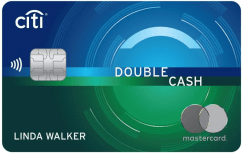
Citi Double Cash® Card
Intro APR:0% for 18 months on Balance Transfers
Ongoing APR:18.49% - 28.74% (Variable)
Rewards:
2% (cash back)
Earn 2% on every purchase with unlimited 1% cash back when you buy, plus an additional 1% as you pay for those purchases. To earn cash back, pay at least the minimum due on time. Plus, earn 5% total cash back on hotel, car rentals and attractions booked with Citi Travel.
Annual Fee:$0
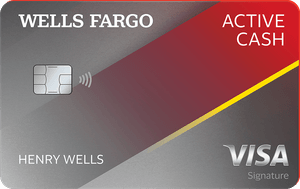
Wells Fargo Active Cash® Card
Intro bonus:
$100
Earn a $100 cash rewards bonus after spending $500 in purchases in the first 3 months.
Intro APR:0% intro APR for 12 months from account opening on purchases and qualifying balance transfers
Ongoing APR:18.74%, 24.74%, or 28.74% Variable APR
Rewards:
2% (Cash Rewards)
Earn unlimited 2% cash rewards on purchases.
Annual Fee:$0
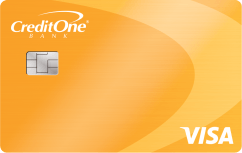
Credit One Bank® Secured Card
Ongoing APR:29.74% Variable
Rewards:
1% (cash back)
Earn 1% cash back rewards on eligible gas, grocery purchases and mobile phone, internet, cable and satellite TV services. Terms apply.
Annual Fee:$0
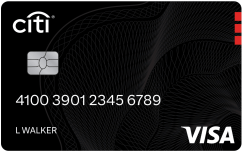
Costco Anywhere Visa® Card by Citi
Ongoing APR:18.99% - 26.99% (Variable)
Rewards:
1% - 5% (cash back)
Earn 5% cash back rewards on gas at Costco and earn 4% cash back on other eligible gas and electric vehicle (EV) charging purchases for the first $7,000 combined spend per year, and then 1% thereafter. 3% cash back on restaurants and eligible travel purchases and eligible travel, including Costco Travel. 2% cash back on all other purchases from Costco and Costco.com. 1% cash back on all other purchases.
Annual Fee:$0

Avant® Cashback Rewards Mastercard®
Ongoing APR:35.99%*
Rewards:
1% (cash back)
Cash back will be awarded as points redeemable for a statement credit
Annual Fee:$75*

Credit One Bank® Premier American Express® Unlimited Rewards Card
Ongoing APR:29.74% Variable
Rewards:
1% (cash back)
Earn unlimited 1% cash back rewards on all purchases, terms apply
Annual Fee:$0
Credit One Bank® Platinum X5 Visa Signature® Metal Card
Ongoing APR:29.74% Variable
Rewards:
1% - 5% (cash back)
Earn 5% cash back rewards on the first $5,000 of eligible gas, grocery, internet, cable, satellite TV, and mobile phone service purchases each year, and then 1% thereafter. Plus 1% cash back rewards on all other purchases, terms apply.
Annual Fee:$95

Avant® Cashback Rewards Mastercard®
Ongoing APR:35.99%*
Rewards:
1% (cash back)
Cash back will be awarded as points redeemable for a statement credit
Annual Fee:$75*
See all our best cash back credit cards for 2026.
How to Redeem Your Cash Back Rewards
You can redeem cash back rewards in several ways, including:
- Check
- Statement credit
- Direct deposit into your bank account
- Gift cards
Some card issuers offer additional options, such as letting you use your cash back rewards to book travel, donate to charity or make purchases online. Cash back cards may have a minimum balance requirement, typically $25, for cashing in your rewards.
What Credit Score Do You Need for a Cash Back Credit Card?
Rewards cards generally require a good or excellent credit score. Cards with the most stringent credit score requirements may offer large intro bonuses, high cash back rewards rates and additional cardholder perks.
There are options, however, for cardholders with bad credit, including secured cards that offer cash back rewards. But they may have lower rewards rates and fewer benefits.
Learn more: How to Use a Credit Card to Build Credit
Are Cash Back Credit Cards Worth It?
Deciding whether a cash back credit card is worth it depends on your credit history, planned usage and current financial situation. Here's when a cash back credit card could make sense for you:
- You can qualify for a high-value card. If you have good or excellent credit, chances are higher that you'll be eligible for a cash back card with meaningful benefits. But if you're working on rebuilding credit, a poor-credit unsecured card or a secured credit card with cash back rewards, even if they're low, may also be valuable to you. Make sure the issuer reports payment history to all three credit bureaus (Experian, TransUnion and Equifax) to get the most from the card's credit-building features.
- You'll make use of the card's rewards and redemption structure. Choose a card that aligns with your lifestyle: one that rewards you for dining if you often go to restaurants, or one that offers flat-rate cash back if you're not interested in keeping track of bonus categories.
- You plan to pay off your balance in full each month. Cash back cards do, in essence, reward you for spending. But maintaining a large balance on your card, and carrying it over from month to month, will cost you money in interest and could hurt your credit. Plan to pay your balance in full so interest charges don't erode the rewards you earn, and so you keep your credit utilization rate low.
Learn more: What Credit Card Should I Get?
How to Maximize Cash Back Rewards
You can take a few steps to maximize the cash back rewards you'll earn.
- Make use of your card's bonus categories. If you have a tiered or rotating rewards card, be intentional about which card you use for each purchase. Having a note on your phone or stickers on individual cards with their bonus categories can help.
- Keep an eye on extra earning opportunities. You may be eligible for limited-time offers to earn bonus cash back. Some cards, for example, provide double cash back on all purchases made in the first year of card ownership—which means it could be wise to make large purchases early on.
- Review the terms. Read over the credit card agreement to find out what doesn't count as an eligible purchase. For instance, you might not earn cash back if you use your credit card to buy lottery tickets or gift cards. You may also only earn cash back up to a maximum amount within certain categories. If you can choose between cash back and non-cash redemption options, review them closely to see which one will give you the best value.
Frequently Asked Questions
The Bottom Line
Cash back cards can lead to significant savings on everyday and major purchases, especially when you choose a card well-matched to your lifestyle. If you're unsure which card to get, start by getting matched with cards through Experian's card comparison tool. After logging in, you can get personalized offers based on your credit profile and the features you're looking for in a card—and explore options in side-by-side comparison with competitor cards.
Get the rewards you deserve
Cash back? Miles? Points? Whatever suits your goals, we can help match you to personalized rewards card offers. Start with your FICO® Score for free.
See your offers
About the author

Brianna McGurran
Brianna McGurran is a freelance journalist and writing teacher based in Brooklyn, New York. Most recently, she was a staff writer and spokesperson at the personal finance website NerdWallet, where she wrote "Ask Brianna," a financial advice column syndicated by the Associated Press.
Read more from Brianna