 By Ben Luthi
 Edited by Michelle TipswordBy Ben LuthiEdited by Michelle Tipsword
Some dealerships let you use a credit card when buying a car, but many limit the amount you can charge because of processing fees. Even if allowed, watch out for high interest rates and potential impacts on your credit utilization.

Using a credit card for a down payment—or even for the full cost of a car—might sound risky, but it can actually work in your favor if you have the cash to pay the balance off right away. In that case, putting the purchase on your card can be an easy way to earn rewards on a large expense.
Before you move forward, check whether the dealership accepts credit cards and what limits or fees may apply. Policies vary widely, and some dealers cap how much you can charge. Here's what to know if you're considering buying a car with a credit card.
In many cases, you can use a credit card for part or all of your vehicle's down payment. Whether it's allowed depends entirely on the dealership.
Some dealers accept credit cards but cap the amount you can charge because they must pay processing fees on the transaction. If earning rewards is your goal, contact the dealer ahead of time to confirm their policy and any limits they impose.
Even if your dealer allows it, make sure using your card is the right move. It's generally best only if you have a rewards card and can pay off the balance immediately. A 0% intro annual percentage rate (APR) card might also be useful, but only if you have a solid plan to pay the balance before the promotional period ends. Otherwise, you could end up paying more in interest than you would have without using your card.
Using a credit card usually isn't an option when buying from a private seller.
Learn more: How Does Buying a Car Affect Your Credit?
Compare cards from our partners with 0% intro APR offers on balance transfers, purchases or both.
Offers from our partners
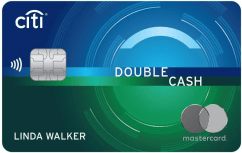
Citi Double Cash® Card
Intro APR:0% for 18 months on Balance Transfers
Ongoing APR:18.49% - 28.74% (Variable)
Annual Fee:$0
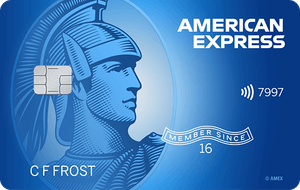
Blue Cash Everyday® Card from American Express
Intro APR:0% on Purchases and Balance Transfers for 15 months
Ongoing APR:19.74%-28.74% Variable
Annual Fee:$0
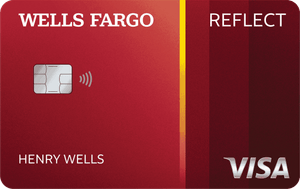
Wells Fargo Reflect® Card
Intro APR:0% intro APR for 21 months from account opening on purchases and qualifying balance transfers
Ongoing APR:17.74%, 24.24%, or 28.49% Variable APR
Annual Fee:$0
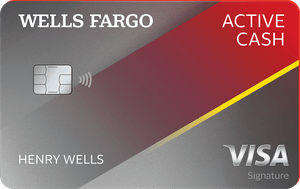
Wells Fargo Active Cash® Card
Intro APR:0% intro APR for 12 months from account opening on purchases and qualifying balance transfers
Ongoing APR:18.74%, 24.74%, or 28.74% Variable APR
Annual Fee:$0
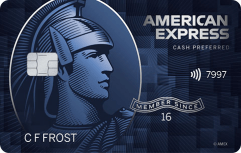
Blue Cash Preferred® Card from American Express
Intro APR:0% on Purchases and Balance Transfers for 12 months
Ongoing APR:19.74%-28.74% Variable
Annual Fee:$0 intro annual fee for the first year, then $95.
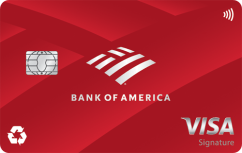
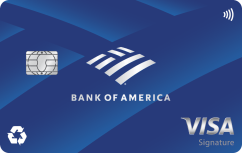
Bank of America® Customized Cash Rewards credit card
Intro APR:0% Intro APR for 15 billing cycles for purchases, and for any balance transfers made in the first 60 days
Ongoing APR:17.74% - 27.74% Variable
Annual Fee:$0
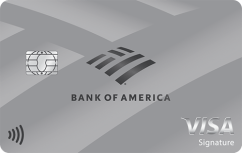
Bank of America® Travel Rewards credit card
Intro APR:0% Intro APR for 15 billing cycles for purchases, and for any balance transfers made in the first 60 days
Ongoing APR:17.74% - 27.74% Variable
Annual Fee:$0
Bank of America® Unlimited Cash Rewards credit card
Intro APR:0% Intro APR for 15 billing cycles for purchases, and for any balance transfers made in the first 60 days
Ongoing APR:17.74% - 27.74% Variable
Annual Fee:$0
See all our best 0% intro credit cards for 2026.
Auto lenders generally don't let borrowers make monthly car payments with a credit card. Some credit card issuers send out convenience checks, giving you a workaround. These checks function like personal checks but draw against your credit line. In some cases, they may even come with a 0% intro APR offer.
But while you can technically use one to make a car loan payment—or even pay off your loan entirely—you can expect to pay an upfront fee of 3% to 5% of the check amount. And even with a 0% APR intro offer, you risk facing high interest charges if any balance remains once the promotional period ends.
In other words, for most borrowers, using a credit card to cover monthly car payments isn't a cost-effective strategy.
Learn more: How Do 0% Intro APR Credit Cards Work?
You can sometimes buy an entire vehicle with a credit card, but just as with a down payment, it depends on the dealer's policy and your available credit limit. Because the transaction is large, your card issuer may also require advance approval to avoid a fraud prevention decline.
That said, paying for a car with a credit card only makes sense if you can pay off the balance immediately. Otherwise, the interest you'll accrue—often at a far higher rate compared to an auto loan—can make the purchase significantly more expensive.
Even if you plan to pay your credit card bill in full, putting a vehicle purchase on your card can still influence your credit score in the short term.
That's because a large charge can cause your credit utilization rate—your balance compared with your credit limit—to spike. Utilization is a major factor in your FICO® ScoreΘ, and experts generally recommend keeping it as low as possible.
That said, your score depends on the balance your card issuer reports to the credit bureaus at the end of your billing cycle, not the balance you ultimately pay. If you pay the purchase off before your statement closes, the high balance likely won't appear on your credit reports.
Learn more: What Affects Your Credit Scores?
Find a good auto loan with today’s rates. Compare current rates and offers to find the best loan for you.
Using a credit card to buy a car can be tempting, especially if you're hoping to earn rewards. But for most people, there are safer and more affordable ways to finance a vehicle purchase. Here are some common alternatives to consider:
Regardless of how you choose to pay for your car, it's a good idea to check your FICO® Score before heading to the dealership to know where you stand.
If your score needs some work and buying a new vehicle isn't a necessity, it may make sense to take some steps to improve your credit in case you need to apply for a loan. Doing so could save you hundreds or even thousands of dollars in interest.
Learn what it takes to achieve a good credit score. Review your FICO® Score for free and see what’s helping and hurting your score.
Get your FICO® ScoreNo credit card required

Ben Luthi
Ben Luthi has worked in financial planning, banking and auto finance, and writes about all aspects of money. His work has appeared in Time, Success, USA Today, Credit Karma, NerdWallet, Wirecutter and more.
Read more from Ben