 By Tim Maxwell
 Edited by Michelle TipswordBy Tim MaxwellEdited by Michelle Tipsword

One of the biggest conveniences of credit cards is that you can count on them to cover a purchase without needing cash on hand. That's why it can be a little unnerving and sometimes embarrassing when your card is declined at the checkout counter.
Credit cards are declined for a variety of reasons, such as when you've reached your credit limit, you're behind on payments or you have a large pending transaction. Here's why your credit card might be declined and what you can do to prevent it from happening again.
If your credit card is declined, contact your issuer to find out what caused the problem. The decline is likely due to one of the following reasons.
One of the most common reasons a credit card is declined is that the account has reached its credit limit. Some credit card companies give you a little leeway and may approve an over-the-limit purchase rather than decline it at the register. However, you'll likely have to pay a fee for exceeding your limit.
Not going over your credit limit not only helps you avoid the frustration of a declined card, but can also benefit your credit scores. That's because credit utilization—the percentage of your available credit you're using—accounts for 30% of your FICO® ScoreΘ, the score used by 90% of top lenders. Experts generally recommend keeping your credit utilization ratio below 30%, but the lower, the better. People with high credit scores often have utilization rates in the single digits.
Learn more: How to Calculate Credit Card Utilization
Compare cards from our partners with intro bonuses, cash back or points offers, and annual fees as low as $0.
Offers from our partners
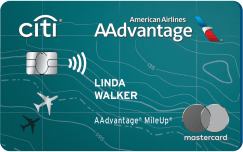
American Airlines AAdvantage® MileUp® Card
Intro APR:0% for 15 months on Balance Transfers
Ongoing APR:19.74% - 29.74% (Variable)
Annual Fee:$0

Avant® Mastercard®
Ongoing APR:29.99%*
Annual Fee:$0*
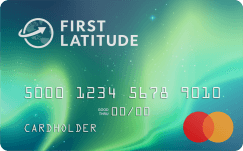
First Latitude Secured Mastercard® Cash Back Rewards
Ongoing APR:27.74% Variable
Annual Fee:$0
Credit One Bank® Wander® American Express® Metal Card
Ongoing APR:29.74% Variable
Annual Fee:$95
Credit One Bank® Premier American Express® Unlimited Rewards Card
Ongoing APR:29.74% Variable
Annual Fee:$0
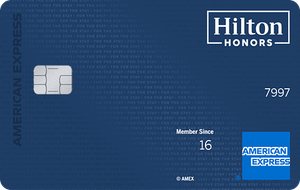
Hilton Honors American Express Surpass® Card
Ongoing APR:19.74%-28.74% Variable
Annual Fee:$150
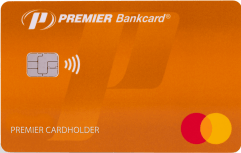
PREMIER Bankcard® Mastercard® Credit Card
Ongoing APR:See Rates & Fees
Annual Fee:See Rates & Fees

Hilton Honors American Express Aspire Card
Ongoing APR:19.74%-28.74% Variable
Annual Fee:$550
See all our best credit cards for 2026.
Card issuers watch closely for suspicious activity as credit card fraud is the most common type of identity theft, according to the Federal Trade Commission. Sure, having a legitimate purchase flagged as potential fraud can be annoying in the moment, but it can ultimately protect you from someone stealing your identity or running up significant charges on your card.
Tip: Before traveling, set a travel notification through your card issuer's app or website so out-of-state or overseas purchases aren't rejected as fraudulent.
Companies such as rental car providers and hotels may put a hold on your credit card to ensure you have enough available credit to pay your final bill. While the hold is in place, your card issuer might decline other purchases until it's cleared.
If you need access to the credit line sooner, you can:
Credit card issuers may restrict your card use until you pay back your outstanding balance. This restriction reduces the risk that you'll continue adding to the balance and struggle to repay it.
If you're going through financial hardship, the best thing you can do is call the issuer and explain your situation. They may waive or defer a minimum payment or offer a modified payment plan to help you bring your account current. Your issuer may also be willing to waive late fees to help you get on track.
Once you're on more stable financial footing, create a strategy for paying down your credit cards so your monthly payments are more manageable.
Learn more: What's the Best Strategy to Pay Off Debt?
Sometimes your credit card is declined simply because it has expired. Your credit card company usually sends you a new card before your current one expires. But if you move and don't update your address, the issuer may send the new card to your old address.
Your new card may also be lost in the mail or stolen. Contact your card issuer immediately if you haven't received a new card by the time your current one expires.
Your credit card could be declined if the credit card company closed your account, which may happen for several reasons, including:
The only way to know for sure why an account was closed is to contact the issuer.
Be aware: Unfortunately, issuers aren't legally required to tell you when they shut down your account. That's why it's good practice to log in and check the status of your accounts regularly.
Knowing why your credit card can be declined doesn't make it any less frustrating when it happens. Here's what you can do to resolve the problem and reduce the odds of it happening again.
Sometimes your transaction didn't go through because your card is old and worn. If your card's chip or magnetic stripe is the problem, you may still be able to complete the purchase by adding the card to a digital wallet like Apple Pay or Google Pay and tapping to pay. Otherwise, you may need to use another card to complete the transaction.
Other times, an online transaction fails if you enter some of the information incorrectly. Something as simple as a missed digit on your credit card number, expiration date or CVV security code can trigger a failed transaction. Double-checking the information on your payment form and making sure it matches your billing information may do the trick.
Your card may also be declined because of a problem on the merchant's end. If your card doesn't work on the merchant's website, try making the purchase at one of its brick-and-mortar stores.
Thankfully, a quick call to your card issuer may be all it takes to resolve an issue that causes your card to decline, such as:
If your card is declined, you may be able to fix the problem or keep it from happening again by taking steps such as:
Learn more: What Happens if You Only Pay the Minimum on Your Credit Card?
If you want to avoid having your card declined when making a purchase, here are some actions you can take:
Taking preventive steps can limit the risk of having your card declined, but it can still happen. Even with the most meticulous account management and fraud prevention, your issuer could make a mistake or block legitimate purchases to prevent potential fraud. But by proactively monitoring your account and credit, you can reduce your chances of being declined.
No, having your credit card declined doesn't hurt your credit. But the reason your card was declined could hurt your credit score.
Learn more: What Affects Your Credit Scores?
Monitoring your credit can lower the likelihood of a credit card transaction being declined and protect your credit at the same time. One of the main reasons your card issuer may block a purchase is that it suspects fraud. Credit monitoring alerts can help you spot suspicious activity early on. They can also remind you of payment due dates and let you know when you're approaching your credit limit.
Experian offers free credit monitoring to help you keep track of your credit accounts and FICO® Score. You'll get customized alerts about new credit inquiries, account changes, possible identity fraud and other activity. You can also see what's affecting your credit and find steps that may help improve your score.
Apply for credit cards confidently with personalized offers based on your credit profile. Get started with your FICO® Score for free.
See your offers
Tim Maxwell
Tim Maxwell is a former television news journalist turned personal finance writer and credit card expert with over two decades of media experience. His work has been published in Bankrate, Fox Business, Washington Post, USA Today, The Balance, MarketWatch and others. He is also the founder of the personal finance website Incomist.
Read more from Tim