
Are Credit Cards Safer Than Debit Cards?

Quick Answer
Credit cards are safer than debit cards because they offer better protection if unauthorized charges are made to your card. On a debit card, you could be liable for up to the full amount charged if you don’t quickly report the card’s loss or theft.

Credit cards are safer than debit cards because under federal law, they provide greater liability protection if you're a victim of fraud.
Here's how: If your credit card is lost or stolen and someone uses it to make unauthorized charges, you'll only be responsible for up to $50. If unauthorized charges are made with a debit card, you could potentially be liable for the full amount, depending on when you report the card's loss or theft.
Many credit cards also offer zero liability protection. This feature is also found on some debit cards, but you may still have to report within a certain number of days, and you'll have to confirm the terms with the issuing bank. Below is a breakdown of your liability for unauthorized charges made to credit cards and debit cards, according to federal law.
| Credit Card Liability | Debit Card Liability |
|---|---|
|
If you report a card's loss or theft before fraud occurs: $0 If you report a card's loss or theft after fraud occurs: $50 max, no matter how long after the card loss or theft you report; many credit card issuers limit liability to $0 |
If you report a card's loss or theft before If you report within 2 days of fraud: $50 max If you report 2 to 60 days after fraud: $500 max
If you report more than 60 days after |
Here's what to know about safety and fraud protection when using a credit card versus a debit card.
How Credit Card Fraud Works
Credit card fraud is when someone uses your credit card account—either the card itself or your card number and personal data—to make charges or to open a new account you didn't authorize.
If unauthorized charges show up in your account, your liability depends on when you report to the credit card company that your card was lost or stolen. Under the Fair Credit Billing Act, reporting the loss or theft before charges are made means you have zero liability, no matter how much a thief eventually charges.
If you report the loss or theft after charges appear, your liability is capped at $50. But many credit card issuers offer zero liability protection as an extra fraud protection measure. That means you're not liable for any charges, no matter when you report a card or card number's loss or theft.
Best credit cards of 2026
Compare cards from our partners with intro bonuses, cash back or points offers, and annual fees as low as $0.
Offers from our partners
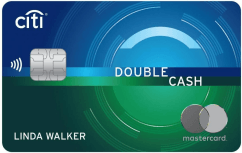
Citi Double Cash® Card
Intro APR:0% for 18 months on Balance Transfers
Ongoing APR:17.49% - 27.49% (Variable)
Rewards:2% (cash back)
Annual Fee:$0
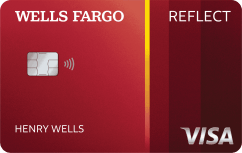
Wells Fargo Reflect® Card
Intro APR:0% intro APR for 21 months from account opening on purchases and qualifying balance transfers
Ongoing APR:17.49%, 23.99%, or 28.24% Variable APR
Rewards:N/A*
Annual Fee:$0
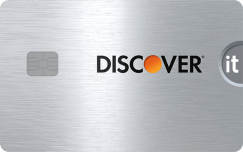
Discover it® Chrome
Intro bonus:INTRO OFFER: Unlimited Cashback Match for all new cardmembers. Discover will automatically match all the cash back you’ve earned at the end of your first year! There’s no minimum spending or maximum rewards.
Intro APR:0% intro APR for 6 Months on Purchases and 0% intro APR for 18 Months on Balance Transfers
Ongoing APR:17.49% - 26.49% Variable APR
Rewards:1% - 2% (cash back)
Annual Fee:$0
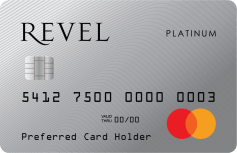
Revel® Platinum Mastercard®
Ongoing APR:35.90% Fixed
Rewards:N/A*
Annual Fee:$75 - $125
Citi® Diamond Preferred® Card
Intro APR:0% for 21 months on Balance Transfers and 12 months on Purchases
Ongoing APR:16.49% - 27.24% (Variable)
Rewards:N/A*
Annual Fee:$0
American Express Platinum Card®
Intro bonus:You may be eligible for as high as 175,000 Membership Rewards® Points after spending $12,000 in eligible purchases on your new Card in your first 6 months of Membership. Welcome offers vary and you may not be eligible for an offer.
Ongoing APR:See Pay Over Time APR
Rewards:1x - 5x (Points per dollar)
Annual Fee:$895
Wells Fargo Active Cash® Card
Intro bonus:Earn a $200 cash rewards bonus after spending $500 in purchases in the first 3 months
Intro APR:0% intro APR for 12 months from account opening on purchases and qualifying balance transfers
Ongoing APR:18.49%, 24.49%, or 28.49% Variable APR
Rewards:2% (Cash Rewards)
Annual Fee:$0
Discover it® Cash Back
Intro bonus:INTRO OFFER: Unlimited Cashback Match for all new cardmembers. Discover will automatically match all the cash back you’ve earned at the end of your first year! There’s no minimum spending or maximum rewards. You could turn $150 cash back into $300.
Intro APR:0% intro APR for 15 months on Purchases and Balance Transfers
Ongoing APR:17.49% - 26.49% Variable APR
Rewards:1% - 5% (cash back)
Annual Fee:$0

Avant® Cashback Rewards Mastercard®
Ongoing APR:29.99%*
Rewards:2% (cash back)
Annual Fee:$0*

The opensky® Secured Visa® Credit Card
Ongoing APR:23.89% Variable
Rewards:10% (cash back)
Annual Fee:$35
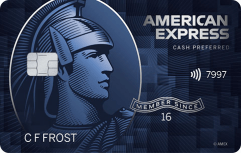
Blue Cash Preferred® Card from American Express
Intro bonus:You may be eligible for as high as $300 cash back after spending $3,000 in purchases on your new Card in the first 6 months. Welcome offers vary and you may not be eligible for an offer. Cash back is received as Reward Dollars, redeemable for statement credit or at Amazon.com checkout. Terms Apply.
Intro APR:0% on Purchases and Balance Transfers for 12 months
Ongoing APR:19.49%-28.49% Variable
Rewards:1% - 6% (cash back)
Annual Fee:$0 intro annual fee for the first year, then $95.
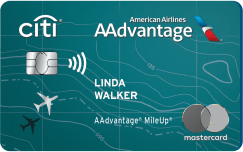
American Airlines AAdvantage® MileUp® Card
Intro APR:0% for 15 months on Balance Transfers
Ongoing APR:19.49% - 29.49% (Variable)
Rewards:2x (Miles per dollar)
Annual Fee:$0

Avant® Mastercard®
Ongoing APR:35.99%*
Rewards:N/A*
Annual Fee:$0*
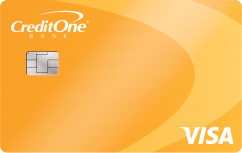
Credit One Bank® Secured Card
Ongoing APR:29.74% Variable
Rewards:1% (cash back)
Annual Fee:$0
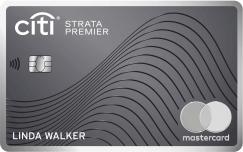
Citi Strata Premier® Card
Intro bonus:Earn 60,000 bonus ThankYou® Points after spending $4,000 in the first 3 months of account opening, redeemable for $600 in gift cards or travel rewards at thankyou.com.
Ongoing APR:19.49% - 27.49% (Variable)
Rewards:1x - 10x (Points per dollar)
Annual Fee:$95
Costco Anywhere Visa® Card by Citi
Ongoing APR:18.74% - 26.74% (Variable)
Rewards:1% - 5% (cash back)
Annual Fee:$0

Avant® Cashback Rewards Mastercard®
Ongoing APR:35.99%*
Rewards:1% (cash back)
Annual Fee:$75*

Avant® Cashback Rewards Mastercard®
Ongoing APR:35.99%*
Rewards:1% (cash back)
Annual Fee:Introductory fee of $75 for the first year. After that, $99 annually.*
Hilton Honors American Express Card
Intro bonus:Earn 70,000 Bonus Points plus a Free Night Reward after you spend $2,000 in purchases on the Card in the first 6 months of Card Membership. Offer Ends 4/15/2026.
Ongoing APR:19.49%-28.49% Variable
Rewards:3x - 7x (Points per dollar)
Annual Fee:$0
Marriott Bonvoy Brilliant® American Express® Card
Intro bonus:Earn 200,000 Marriott Bonvoy® bonus points after you use your new Card to make $6,000 in purchases within the first 6 months of Card Membership. Offer Ends 5/13/2026.
Ongoing APR:19.49%-28.49% Variable
Rewards:2x - 6x (Points per dollar)
Annual Fee:$650

Discover it® Miles
Intro bonus:UNLIMITED BONUS: Unlimited Mile-for-Mile match for all new cardmembers. Discover gives you an unlimited match of all the Miles you’ve earned at the end of your first year. There’s no signing up, no minimum spending or maximum rewards. Just a Miles-for-Miles match. You could turn 35,000 Miles into 70,000 Miles.
Intro APR:0% intro APR for 15 months on Purchases and Balance Transfers
Ongoing APR:17.49% - 26.49% Variable APR
Rewards:1.5x (Miles per dollar)
Annual Fee:$0
Delta SkyMiles® Gold American Express Card
Intro bonus:Earn 70,000 Bonus Miles after you spend $3,000 in purchases with your new Card, and an additional 20,000 bonus miles after you make an additional $2,000 in purchases on the Card, both within your first 6 months. Ends 04/01/2026.
Ongoing APR:19.49%-28.49% Variable
Rewards:1x - 2x (Miles per dollar)
Annual Fee:$0 introductory annual fee for the first year, then $150.

Credit One Bank® Premier American Express® Unlimited Rewards Card
Ongoing APR:29.74% Variable
Rewards:1% (cash back)
Annual Fee:$0
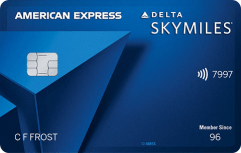
Delta SkyMiles® Blue American Express Card
Intro bonus:Earn 10,000 bonus miles after you spend $1,000 in purchases on your new Card in your first 6 months.
Ongoing APR:19.49%-28.49% Variable
Rewards:1x - 2x (Miles per dollar)
Annual Fee:$0
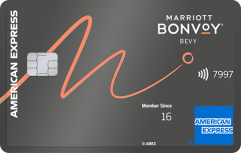
Marriott Bonvoy Bevy® American Express® Card
Intro bonus:Earn 175,000 Marriott Bonvoy® bonus points after you use your new Card to make $5,000 in purchases within the first 6 months of Card Membership. Offer Ends 5/13/2026.
Ongoing APR:19.49%-28.49% Variable
Rewards:2x - 6x (Points per dollar)
Annual Fee:$250
PREMIER Bankcard® Mastercard® Credit Card
Ongoing APR:See Rates & Fees
Rewards:N/A*
Annual Fee:See Rates & Fees
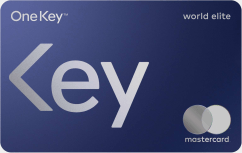
One Key™ Card
Intro bonus:Limited Time Offer: Earn $300 in OneKeyCash™ after you spend $1,000 on purchases in the first 3 months. OneKeyCash is not redeemable for cash and can only be used on Expedia®, Hotels.com® and Vrbo®. To learn more, please refer to the One Key Terms and Conditions at www.expedia.com/one-key-terms.
Ongoing APR:18.49%, 23.49%, or 28.49% Variable APR
Rewards:1.5x - 3x (Points per dollar)
Annual Fee:$0

Avant® Cashback Rewards Mastercard® - With A Higher Credit Limit
Ongoing APR:35.99%*
Rewards:1% (cash back)
Annual Fee:$125*

Avant® Cashback Rewards Mastercard®
Ongoing APR:35.99%*
Rewards:1% (cash back)
Annual Fee:$0*

Avant® Cashback Rewards Mastercard®
Ongoing APR:35.99%*
Rewards:1% (cash back)
Annual Fee:$75*
See all our best credit cards for 2026.
How Debit Card Fraud Works
Debit card fraud comes with harsher consequences for your finances than credit card fraud: Your own cash is at stake, rather than charges to a credit card. The Electronic Fund Transfer Act is the federal law that governs a consumer's liability as a result of debit card fraud, and it's less generous than the Fair Credit Billing Act.
If you report loss or theft of a debit card before unauthorized charges are made, you have zero liability, just like a credit card user would. But that's where the similarities end. If you report the loss or theft after unauthorized charges are made, your liability depends on how soon you alert your bank or credit union:
- Within two days of fraud: $50 maximum liability
- Two to 60 days after fraud: $500 maximum liability
- More than 60 days after fraud: Liability for up to all unauthorized charges
Which Is Safer, a Credit Card or Debit Card?
On the basis of liability protection alone, credit cards are safer than debit cards. You're not at risk of losing money immediately from your bank account that you may be responsible for, depending on when you tell the bank that your debit card was lost or stolen.
But there are circumstances when using a debit card can be just as safe, and potentially more convenient or budget-friendly. Here's a breakdown.
When to Use a Credit Card
- Purchase protection: Many credit cards come with an extra security feature called purchase protection, which may help get your money back if an item you bought with the credit card is stolen, damaged or not what you expected. If you're making a big purchase—or it's from an unfamiliar merchant—using a credit card with purchase protection can give you peace of mind.
- Earning rewards: Credit card rewards come in the form of cash back, points or miles, and can get you a range of perks on everyday spending or travel. While rewards credit cards aren't necessarily safer than debit cards, they may come with additional benefits, like travel insurance, that can support you in unexpected circumstances. Since APRs are often higher on rewards cards, plan to pay off the full balance every month.
- Making hotel deposits: It's more convenient to use a credit card when a merchant, such as a hotel, says it will place a "hold" on the card, which functions as a deposit until you pay the full charge. When you use a debit card, the merchant will initially take the full amount of the deposit from your bank account, leaving you with less cash until it's returned several days later. A credit card is better suited to these transactions.
When to Use a Debit Card
- Withdrawing cash: It's much more cost-effective to use a debit card at an ATM, even if a cash advance is an option from your credit card issuer. If you use a credit card at an ATM, you'll pay a cash advance fee plus a cash advance APR, which adds to the cost of the cash advance each month that you haven't repaid it in full.
- Avoiding convenience fees: Some merchants charge customers a convenience fee for using a credit card, since they must pay the credit card networks themselves to accept credit card payments. Using a debit card may help you circumvent these fees.
- Limiting debt: If you're concerned about building up debt when using your credit card, sticking to a debit card is a safe way to ensure you never spend more than you earn. Consider choosing a bank that offers a zero liability policy on debit card transactions so that you receive close to the same fraud protection as a credit card.
How to Protect Yourself from Credit and Debit Card Fraud
Take these steps to limit your exposure to credit and debit card fraud:
- Secure your physical cards. Keep your cards safe from theft by keeping them with you rather than in your car or gym locker. Using a digital wallet, such as Apple Pay or Google Pay, on your phone can also limit potential loss or theft.
- Use contactless payments whenever possible. Contactless payments are more secure than making a payment with a card's chip or magnetic stripe. If your current debit card or credit card is not capable of contactless payments, your financial institution may be able to provide you with an updated card if requested.
- Watch your accounts. Regularly monitor your bank and credit card accounts to make sure you recognize every purchase, and sign up for fraud alerts from your bank and credit card issuer.
- Make use of card locks. Your credit and debit card may come with additional security features that can help prevent fraud. If you've misplaced your card but expect to find it again, you can lock your credit card or debit card in the meantime. This prevents unauthorized transactions in case your card is in a fraudster's hands, but will allow scheduled bill payments to go through.
The Bottom Line
Credit cards are far more likely than debit cards to offer true zero liability protection in the case of fraud, which generally makes them a safer choice. But no matter which payment method you use, there are ways to dodge potential fraud when shopping online, while traveling or in your day-to-day life. Regularly checking your credit report, which is available for free from Experian, is a crucial component in avoiding the stress and inconvenience of fraud.
Don’t apply blindly
Apply for credit cards confidently with personalized offers based on your credit profile. Get started with your FICO® Score for free.
See your offers
About the author

Brianna McGurran
Brianna McGurran is a freelance journalist and writing teacher based in Brooklyn, New York. Most recently, she was a staff writer and spokesperson at the personal finance website NerdWallet, where she wrote "Ask Brianna," a financial advice column syndicated by the Associated Press.
Read more from Brianna