
What Is a Credit Card Hardship Program?

Like mortgage forbearance and other relief programs, credit card hardship programs help those who have difficulty paying their bills due to financial hardship. A credit card hardship plan doesn't eliminate your credit card debt, but it can temporarily reduce your payment obligations and hopefully help you avoid missing a payment. Is applying for a credit card hardship plan a good idea? Here's what to know.
What Is a Credit Card Hardship Plan?
Not all credit card issuers offer hardship plans, and those that do generally don't advertise them (although many did at the start of the COVID-19 pandemic). These plans may include deferred payments, temporary reductions in your annual percentage rate (APR), relief from late fees, an installment plan to pay off your balance over time or other arrangements.
When a financial setback hits, essentials such as rent, utilities, mortgage payments and groceries often take priority over credit card payments. But even if you're making your minimum monthly payments, interest on your credit card balance can add up. Credit card hardship plans provide some short-term relief that can make it easier to get a handle on your financial obligations.
How to Apply for a Credit Card Hardship Plan
To apply for a credit card hardship plan, visit the card issuer's website to see if they offer financial hardship plans. In most cases, however, you'll need to call your card issuer to discuss options with a customer support agent.
First, create a budget so you know how much you can afford each month. Be ready to explain the reason for your financial situation, such as:
- Job loss
- Pay cut
- Divorce
- Serious illness
- Natural disaster
Don't wait until you've missed a payment to investigate credit card hardship plans. Under the CARES Act, any account that has a payment accommodation applied to it must be reported to credit bureaus as current if it was current when the accommodation was made. This applies to any accommodation made before 120 days from the date the COVID-19 national emergency is declared over.
What to Consider Before Agreeing to a Financial Hardship Plan
Before accepting a financial hardship plan, ask:
- What documentation is needed? You may be asked for pay stubs, divorce papers, medical bills, bank statements or other proof of financial difficulties.
- When does the plan end? Also, what payments are you responsible for when the plan ends?
- What are the ongoing requirements? Are payments automatically debited from your bank account? Do you have to work with a credit counselor? Will missing a payment expel you from the program? If you miss a payment date with American Express's hardship program, for instance, you may be removed from the program and your account may go to collections.
- Can you afford it? Make sure any minimum monthly payment adjustments are enough that they fit into your budget.
- How will your credit card be affected? Will the issuer freeze your card so you can't use it, reduce your credit limit or close the account?
- How will your account status be reported to credit reporting agencies during the plan? Some card issuers tell credit bureaus you're participating in a hardship plan. Even if this doesn't directly affect your credit score, lenders and others who check your credit report can see it, which has the potential to affect lending decisions.
Credit card companies generally work with hardship customers on a case-by-case basis. If their first offer doesn't seem likely to help you, ask about alternatives.
Keep records of phone conversations, emails or online chats. Get all the details of the plan in writing before signing or agreeing to anything.
Do Credit Card Hardship Programs Affect Your Credit?
Commonly, a credit card issuer will provide a hardship accommodation by reducing the card's required minimum payment to as low as $0, which will not affect credit scores. Your creditworthiness can be affected, however, if the issuer indicates that a special accommodation has been made when it reports the account to the credit bureaus.
Ask your card issuer how they will report your account during the hardship program. Once you're approved, occasionally check your credit report to make sure everything is as promised. If you find discrepancies, contact the credit card company and the credit bureaus. You can get a free copy of your credit report from each of the three major consumer credit bureaus (Experian, TransUnion and Equifax) once a week at AnnualCreditReport.com.
A credit card hardship program could hurt your credit score if the card issuer lowers your credit limit or closes your account. Lowering your credit limit might increase your credit utilization ratio, which is an important factor in your FICO® ScoreΘ. Credit utilization measures the percentage of your available credit you use, and high credit card balances can drive down your scores—especially if they are above 30% of your credit limit. If the $3,000 credit limit on a card with a $1,000 balance drops to $2,000, your utilization rate goes from 30% to 50%.
Closing your credit card account can also eventually reduce the length of your history, which can hurt your credit score. The age of your credit accounts for 15% of your FICO® Score.
A credit card hardship program may wind up helping you improve your credit score by making it easier to pay down debt and freeing up cash for timely payments on your mortgage, student loan and other debts.
Alternatives to Credit Card Hardship Plans
Instead of a credit card hardship plan, you could:
- Ask the card issuer to lower your APR. Even a small drop in your interest rate could help.
- Get a balance transfer credit card. A credit card with an introductory 0% APR on balance transfers will allow you to transfer your high-interest balance onto the new card and get a temporary reprieve from interest. You'll need good credit to qualify and you'll typically pay a fee of 3% or 5% of the transferred amount, but this can keep interest from accruing while you make minimum payments until you can afford to pay the balance off.
- Get debt consolidation loan. This personal loan you can use to consolidate high-interest debt into a lower-interest loan with regular monthly payments.
- Work with a credit counselor. Credit counselors can provide financial education, resources and debt management plans, which involve negotiating with creditors to reduce your debt and pay what you owe. Find reputable, nonprofit credit counselors through the National Foundation for Credit Counseling.
- Request loan accommodations. Contact your mortgage, student loan or auto lender to see if you can get mortgage forbearance or student loan forbearance or lower your interest rate. Doing this can help you reduce expenses so you're better able to pay down your credit cards.
- Seek financial assistance. National, state and local financial assistance programs provide assistance with rent, food, utilities and more.
Best credit cards of 2026
Compare cards from our partners with intro bonuses, cash back or points offers, and annual fees as low as $0.
Offers from our partners
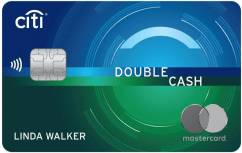
Citi Double Cash® Card
Intro APR:0% for 18 months on Balance Transfers
Ongoing APR:17.49% - 27.49% (Variable)
Rewards:2% (cash back)
Annual Fee:$0

Blue Cash Everyday® Card from American Express
Intro bonus:As High As $200 Cash Back. Find Out Your Offer.
Intro APR:0% on Purchases and Balance Transfers for 15 months
Ongoing APR:19.49%-28.49% Variable
Rewards:1% - 3% (cash back)
Annual Fee:$0

Wells Fargo Reflect® Card
Intro APR:0% intro APR for 21 months from account opening on purchases and qualifying balance transfers
Ongoing APR:17.49%, 23.99%, or 28.24% Variable APR
Rewards:N/A*
Annual Fee:$0

American Express Platinum Card®
Intro bonus:As high as 175,000 points. Find out your offer.
Ongoing APR:See Pay Over Time APR
Rewards:1x - 5x (Points per dollar)
Annual Fee:$895

Wells Fargo Active Cash® Card
Intro bonus:$200
Intro APR:0% intro APR for 12 months from account opening on purchases and qualifying balance transfers
Ongoing APR:18.49%, 24.49%, or 28.49% Variable APR
Rewards:2% (Cash Rewards)
Annual Fee:$0

Discover it® Cash Back
Intro bonus:Cashback Match™
Intro APR:0% intro APR for 15 months on Purchases and Balance Transfers
Ongoing APR:17.49% - 26.49% Variable APR
Rewards:1% - 5% (cash back)
Annual Fee:$0
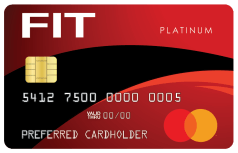
FIT™ Platinum Mastercard® - $400 Credit Limit
Ongoing APR:35.90% Fixed
Rewards:N/A*
Annual Fee:$99 first year; $125 thereafter

Avant® Cashback Rewards Mastercard®
Ongoing APR:29.99%*
Rewards:2% (cash back)
Annual Fee:$0*

The opensky® Secured Visa® Credit Card
Ongoing APR:23.89% Variable
Rewards:10% (cash back)
Annual Fee:$35

Credit One Bank American Express® Card for Rebuilding Credit
Ongoing APR:29.74% Variable
Rewards:1% (cash back)
Annual Fee:$75 First year. $99 thereafter, billed monthly at $8.25
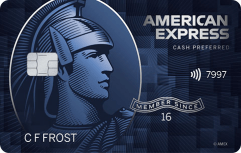
Blue Cash Preferred® Card from American Express
Intro bonus:As High As $300 Cash Back. Find Out Your Offer.
Intro APR:0% on Purchases and Balance Transfers for 12 months
Ongoing APR:19.49%-28.49% Variable
Rewards:1% - 6% (cash back)
Annual Fee:$0 intro annual fee for the first year, then $95.
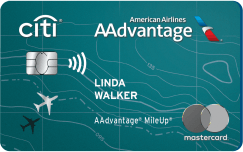
American Airlines AAdvantage® MileUp® Card
Intro APR:0% for 15 months on Balance Transfers
Ongoing APR:19.49% - 29.49% (Variable)
Rewards:2x (Miles per dollar)
Annual Fee:$0
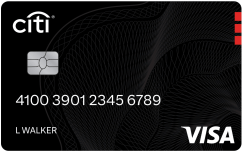
Costco Anywhere Visa® Card by Citi
Ongoing APR:18.74% - 26.74% (Variable)
Rewards:1% - 5% (cash back)
Annual Fee:$0

American Express® Gold Card
Intro bonus:As high as 100,000 points. Find out your offer.
Ongoing APR:See Pay Over Time APR
Rewards:1x - 4x (Points per dollar)
Annual Fee:$325

Avant® Cashback Rewards Mastercard®
Ongoing APR:35.99%*
Rewards:1% (cash back)
Annual Fee:$75*
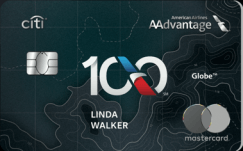
Citi® / AAdvantage® Globe™ Mastercard®
Ongoing APR:19.49% - 29.49% (Variable)
Rewards:1x - 6x (Miles per dollar)
Annual Fee:$350

Avant® Cashback Rewards Mastercard®
Ongoing APR:35.99%*
Rewards:1% (cash back)
Annual Fee:$39*
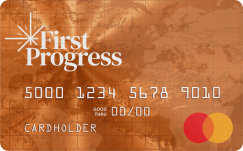
First Progress Select Secured Mastercard® Cash Back Rewards
Ongoing APR:17.49% Variable
Rewards:1% - 10% (cash back)
Annual Fee:$39

Credit One Bank® Platinum Visa®
Ongoing APR:29.74% Variable
Rewards:1% (cash back)
Annual Fee:$39

Credit One Bank® Wander® American Express® with Dining, Gas & Travel Rewards
Ongoing APR:29.74% Variable
Rewards:1% - 10% (cash back)
Annual Fee:$95

Hilton Honors American Express Card
Intro bonus:70,000 Points
Ongoing APR:19.49%-28.49% Variable
Rewards:3x - 7x (Points per dollar)
Annual Fee:$0

Marriott Bonvoy Brilliant® American Express® Card
Intro bonus:200,000 Points
Ongoing APR:19.49%-28.49% Variable
Rewards:2x - 6x (Points per dollar)
Annual Fee:$650

Discover it® Miles
Intro bonus:Discover Match®
Intro APR:0% intro APR for 15 months on Purchases and Balance Transfers
Ongoing APR:17.49% - 26.49% Variable APR
Rewards:1.5x (Miles per dollar)
Annual Fee:$0
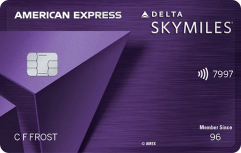
Delta SkyMiles® Reserve American Express Card
Intro bonus:As High As 100,000 Bonus Miles. Find Out Your Offer.
Ongoing APR:19.49%-28.49% Variable
Rewards:1x - 3x (Miles per dollar)
Annual Fee:$650

Delta SkyMiles® Gold American Express Card
Intro bonus:As High As 80,000 Bonus Miles. Find Out Your Offer.
Ongoing APR:19.49%-28.49% Variable
Rewards:1x - 2x (Miles per dollar)
Annual Fee:$0 introductory annual fee for the first year, then $150.
Delta SkyMiles® Blue American Express Card
Intro bonus:10,000 Miles
Ongoing APR:19.49%-28.49% Variable
Rewards:1x - 2x (Miles per dollar)
Annual Fee:$0
PREMIER Bankcard® Mastercard® Credit Card
Ongoing APR:See Rates & Fees
Rewards:N/A*
Annual Fee:See Rates & Fees
One Key™ Card
Intro bonus:$300
Ongoing APR:18.49%, 23.49%, or 28.49% Variable APR
Rewards:1.5x - 3x (Points per dollar)
Annual Fee:$0
One Key+™ Card
Intro bonus:$350
Ongoing APR:18.49%, 23.49%, or 28.49% Variable APR
Rewards:2x - 3x (Points per dollar)
Annual Fee:$99

Avant® Cashback Rewards Mastercard®
Ongoing APR:35.99%*
Rewards:1% (cash back)
Annual Fee:$0*
See all our best credit cards for 2026.
Are Credit Card Hardship Plans Right for You?
During a difficult time, a credit card hardship plan can help you manage debt and maintain your credit score. If you enroll in a plan, set up free credit monitoring to keep an eye on your credit score as you work to get your finances back on track.
Don’t apply blindly
Apply for credit cards confidently with personalized offers based on your credit profile. Get started with your FICO® Score for free.
See your offers
About the author

Karen Axelton
Karen Axelton is Experian’s in-house senior personal finance writer. She has over 20 years of experience as a journalist and has written or ghostwritten content for a variety of financial services companies.
Read more from Karen