
What Happens if You Only Pay the Minimum on Your Credit Card?

Quick Answer
If you only pay the minimum due on your credit card, the remaining balance may accrue interest and increase your credit utilization, which could negatively affect your credit scores and make it harder to get out of debt.

It can be tempting to pay only the minimum amount due when you receive your credit card bill each month. After all, lower payments leave more money for other expenses. However, consistently making only the minimum payment can negatively affect your credit and result in a growing balance that can be difficult to repay. Read on to learn what happens if you only pay the minimum due each month and how carrying a balance can affect your credit scores and financial health.
How Do Credit Card Minimum Payments Work?
Your credit card's minimum amount due is the smallest payment you can make to keep your account in good standing and avoid late fees and other penalties. Making the minimum payment by the due date will also prevent the reporting of late or missed payments to the three consumer credit bureaus: Experian, TransUnion and Equifax.
The minimum due is usually a set dollar amount (such as $35) or a percentage of your outstanding balance, plus interest and fees—whichever is higher. If you don't make the minimum payment by the due date, your card issuer will likely charge a late fee, and some may charge a penalty annual percentage rate (APR) on future purchases.
Minimum payment calculations vary by company, so it's important to read the terms and conditions of your credit card agreement carefully to ensure you understand your issuer's policies.
Learn more: How Is a Credit Card Minimum Payment Calculated?
Only Making Minimum Payments Means You Pay More in Interest
Paying the minimum due probably won't derail your finances if you're in a pinch one month. But if you consistently carry a balance and make only the minimum payment, it could cost you. You may stay in debt longer and pay a lot more than your original balance, thanks to interest that typically compounds daily at high rates.
When you pay the minimum due, only a fraction of your payment is applied to the principal—the amount you charged to purchase goods and services. The rest of the payment is applied to the accrued interest, fees and past-due balances. The table below illustrates how paying only the minimum affects your repayment timeline and the amount of interest you'll pay, assuming you stop using the card until you pay off the balance.
You can see how making minimum payments would affect your personal credit card balance by looking at your statement. The Credit Card Accountability Responsibility and Disclosure Act of 2009 requires card issuers to disclose this information on your statement each month.
| Minimum Payment Only | $100 Payments | |
|---|---|---|
| Initial balance | $3,000 | $3,000 |
| Payment | Minimum due (interest + 1% of balance) | $100 |
| Interest rate | 22.76% | 22.76% |
| Months to pay off balance | 57 | 45 |
| Amount paid in interest | $1,919.01 | $1,479.46 |
| Total cost | $4,919.01 | $4,479.46 |
Making only the minimum payment in this example means it'd take you a year longer to pay off the balance, at an extra cost of nearly $440.
0% Intro APR Cards and Minimum Payments
There is an exception when paying only the minimum may not cost you. Cards with a 0% introductory APR allow you to make purchases without accruing interest for a set amount of time. You can completely avoid interest charges if you pay your balance in full before the interest-free period ends. But if you don't, one of two things will happen:
- If the card has a zero-interest offer, the issuer will begin charging interest on the remaining balance when the promotional period ends.
- If the card has deferred interest, the issuer will charge interest on all purchases starting from the transaction date (the date you made a purchase or balance transfer), not the end of the promotional period.
If you choose to take advantage of a promotional 0% offer, it's crucial that you pay at least the minimum due on time each month. If you pay late or miss a payment, the card issuer may terminate the promotional offer before it's set to expire.
Best 0% intro APR cards of 2026
Compare cards from our partners with 0% intro APR offers on balance transfers, purchases or both.
Offers from our partners
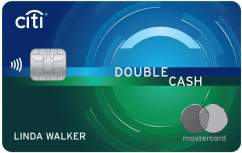
Citi Double Cash® Card
Intro APR:0% for 18 months on Balance Transfers
Ongoing APR:18.24% - 28.49% (Variable)
Annual Fee:$0
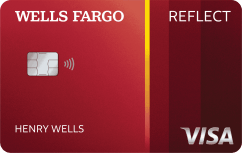
Wells Fargo Reflect® Card
Intro APR:0% intro APR for 21 months from account opening on purchases and qualifying balance transfers
Ongoing APR:17.49%, 23.99%, or 28.24% Variable APR
Annual Fee:$0
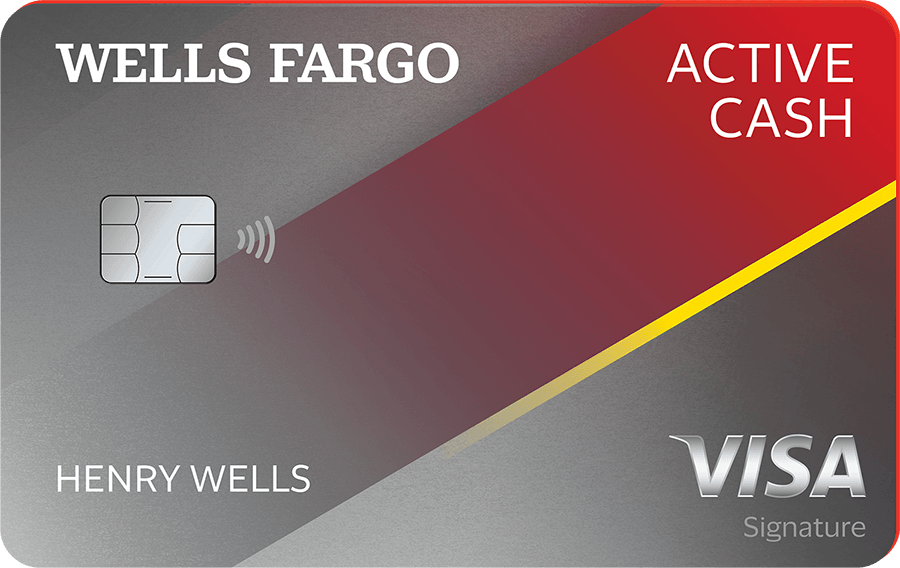
Wells Fargo Active Cash® Card
Intro APR:0% intro APR for 12 months from account opening on purchases and qualifying balance transfers
Ongoing APR:18.49%, 24.49%, or 28.49% Variable APR
Annual Fee:$0
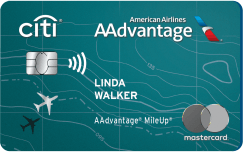
American Airlines AAdvantage® MileUp® Card
Intro APR:0% for 15 months on Balance Transfers
Ongoing APR:19.49% - 29.49% (Variable)
Annual Fee:$0
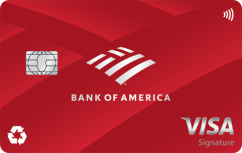
Bank of America® Customized Cash Rewards credit card
Intro APR:0% Intro APR for 15 billing cycles for purchases, and for any balance transfers made in the first 60 days
Ongoing APR:17.49% - 27.49% Variable
Annual Fee:$0
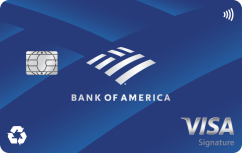
Bank of America® Travel Rewards credit card
Intro APR:0% Intro APR for 15 billing cycles for purchases, and for any balance transfers made in the first 60 days
Ongoing APR:17.49% - 27.49% Variable
Annual Fee:$0
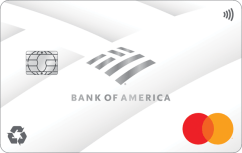
BankAmericard® credit card
Intro APR:0% Intro APR for 21 billing cycles for purchases, and for any balance transfers made in the first 60 days
Ongoing APR:14.99% - 25.99% Variable
Annual Fee:$0
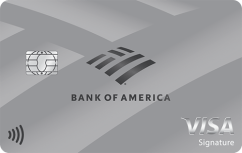
Bank of America® Unlimited Cash Rewards credit card
Intro APR:0% Intro APR for 15 billing cycles for purchases, and for any balance transfers made in the first 60 days
Ongoing APR:17.49% - 27.49% Variable
Annual Fee:$0
See all our best 0% intro credit cards for 2026.
How Only Making Minimum Payments Can Affect Your Credit
Not only does consistently making the minimum payment significantly increase the time it takes to get your balance to zero, but it can also negatively affect your credit. Your credit utilization ratio, or the amount of revolving credit you use compared to the amount you have available, is an important factor used to calculate your credit scores. For optimal credit scores, it's best to keep your ratio below 10%.
When you make minimum payments, it takes longer to chip away at the balance, even if you stop using your credit cards to make purchases, leaving your utilization rate higher for longer. Paying more than the minimum saves you money on interest and reduces your credit utilization ratio faster.
Learn more: How Do Credit Card Payments Work?
What to Do if You Can't Pay Off Your Balance in Full Every Month
Paying in full is best to avoid high interest charges, but that may not be possible every month. If you're strapped for cash and can't pay the total amount you owe, here are some tips to minimize the impact on your financial health.
- Continue to pay at least the minimum. Paying the minimum will help you avoid late fees and other penalties. It will also keep your account current so late payments don't get reported to the credit bureaus.
- Pay as much as you can afford. Credit card companies generally apply minimum payments toward interest, fees and delinquent balances; any amount paid above the minimum amount due must go to the balance with the highest interest rate. Paying more than the minimum due will help you pay down your balance faster.
- Minimize new charges. The more your balance grows, the more interest you have to pay. Reducing card usage can help keep your balance down, reduce the amount of interest that accrues and avoid an increase in the minimum amount due.
- Consider a balance transfer. Transferring an existing balance to a card with a 0% intro APR can be a good way to pay down debt while avoiding interest charges—if you have a plan for repaying what you owe before the promotional period expires. Balance transfer cards typically charge a balance transfer fee, so do the math before completing a transfer to ensure it makes financial sense.
- Call your card issuer. Your credit card company may be willing to work with you if you're experiencing financial hardship.
- Consider credit counseling. Credit counseling is usually provided for free or at a low cost by nonprofit organizations that help consumers learn sound money management habits. Credit counseling organizations also develop debt management plans to help you repay your debt. The plans don't eliminate what you owe, but the credit counselor may negotiate with your creditors for more favorable terms, such as lower interest rates, payment extensions or waived fees. If you set up a debt management plan, you make one payment to the credit counseling agency, and they distribute the funds to your creditors.
The Bottom Line
It's always best to pay your credit card balance in full each month if you can. Doing so will save you a bundle on interest, reduce your credit utilization and help protect your financial health. If paying your balance in full is out of reach financially, paying at least the minimum can help you avoid late fees, penalty APRs and late payment reporting.
If you're worried that your credit scores may be impacted because you can't keep up with your minimum payments, reach out to your card issuer right away to inquire about relief options that may be available. You can check your credit score and credit report for free with Experian to see how paying down your debt may affect your scores.
Don’t apply blindly
Apply for credit cards confidently with personalized offers based on your credit profile. Get started with your FICO® Score for free.
See your offers
About the author

Jennifer Brozic
Jennifer Brozic is a freelance content marketing writer specializing in personal finance topics, including building credit, personal loans, auto loans, credit cards, mortgages, budgeting, insurance, retirement planning and more.
Read more from Jennifer