
 Edited by Peggy Bennett
How to Read a Credit Card Statement
Edited by Peggy Bennett
Quick Answer
Learn how to read a credit card statement, including key sections like your balance, payments, transactions and interest, so you can avoid fees, spot fraud and manage your credit more effectively.

A credit card statement is a monthly summary of your account activity, including your transactions, balance, payments, interest charges and due date. Knowing how to read your credit card statement can help you get a better understanding of what's happening with your account as well as how to avoid fees, spot fraud and better manage your credit.
Here's what a credit card statement includes, how to read each section of your credit card statement and what the information means for your finances.
What Is a Credit Card Statement?
Your credit card statement shows activity on your account during the most recent billing cycle, plus any upcoming changes and other important information. It will also notify you of your payment due date and the minimum payment due. You'll typically receive your credit card statement by email or mail; you can also view it online or in your credit card issuer's app.
The exact layout may vary depending on your credit card issuer, but most statements follow a similar format. When reviewing your credit card statement, focus on three key areas: your statement balance, payment due date and transactions—but don't forget to check important announcements that could affect your account. Paying attention to this information can help you avoid interest charges and missed payments and quickly spot errors or fraud.
Learn more: How to Pay a Credit Card Bill
Best rewards cards of 2026
Compare cards from our partners that earn points, cash back or miles on everyday spending.
Offers from our partners

Blue Cash Everyday® Card from American Express
Intro bonus:As High As $200 Cash Back. Find Out Your Offer.
Intro APR:0% on Purchases and Balance Transfers for 15 months
Ongoing APR:19.49%-28.49% Variable
Rewards:1% - 3% (cash back)
Annual Fee:$0
American Express Platinum Card®
Intro bonus:As high as 175,000 points. Find out your offer.
Ongoing APR:See Pay Over Time APR
Rewards:1x - 5x (Points per dollar)
Annual Fee:$895
Wells Fargo Active Cash® Card
Intro bonus:$200
Intro APR:0% intro APR for 12 months from account opening on purchases and qualifying balance transfers
Ongoing APR:18.49%, 24.49%, or 28.49% Variable APR
Rewards:2% (Cash Rewards)
Annual Fee:$0

Avant® Cashback Rewards Mastercard®
Ongoing APR:29.99%*
Rewards:2% (cash back)
Annual Fee:$0*

The opensky® Secured Visa® Credit Card
Ongoing APR:23.89% Variable
Rewards:10% (cash back)
Annual Fee:$35

Credit One Bank® American Express® for Rebuilding Credit
Ongoing APR:29.74% Variable
Rewards:1% (cash back)
Annual Fee:$75 First year. $99 thereafter, billed monthly at $8.25
Blue Cash Preferred® Card from American Express
Intro bonus:As High As $300 Cash Back. Find Out Your Offer.
Intro APR:0% on Purchases and Balance Transfers for 12 months
Ongoing APR:19.49%-28.49% Variable
Rewards:1% - 6% (cash back)
Annual Fee:$0 intro annual fee for the first year, then $95.

Credit One Bank® Secured Card
Ongoing APR:29.74% Variable
Rewards:1% (cash back)
Annual Fee:$0

Avant® Cashback Rewards Mastercard®
Ongoing APR:35.99%*
Rewards:1% (cash back)
Annual Fee:$0*
Costco Anywhere Visa® Card by Citi
Ongoing APR:18.74% - 26.74% (Variable)
Rewards:1% - 5% (cash back)
Annual Fee:$0

American Express® Gold Card
Intro bonus:As High As 100,000 points. Find Out Your Offer.
Ongoing APR:See Pay Over Time APR
Rewards:1x - 5x (Points per dollar)
Annual Fee:$325

First Latitude Secured Mastercard® Cash Back Rewards
Ongoing APR:27.49% Variable
Rewards:1% - 10% (cash back)
Annual Fee:$0

Citi® / AAdvantage® Platinum Select® World Elite Mastercard®
Ongoing APR:19.49% - 29.49% (Variable)
Rewards:2x (Miles per dollar)
Annual Fee:$99, waived for first 12 months
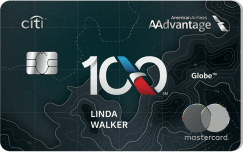
Citi® / AAdvantage® Globe™ Mastercard®
Ongoing APR:19.49% - 29.49% (Variable)
Rewards:1x - 6x (Miles per dollar)
Annual Fee:$350

Avant® Cashback Rewards Mastercard®
Ongoing APR:35.99%*
Rewards:1% (cash back)
Annual Fee:$75 first year; then $99/year

Avant® Cashback Rewards Mastercard®
Ongoing APR:35.99%*
Rewards:1% (cash back)
Annual Fee:$39*
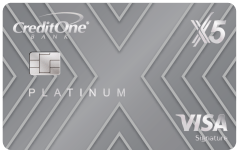
Credit One Bank® Platinum X5 Visa Signature® Metal Card
Ongoing APR:29.74% Variable
Rewards:1% - 5% (cash back)
Annual Fee:$95

Credit One Bank® Wander® American Express® Card with Dining, Gas & Travel Rewards
Ongoing APR:29.74% Variable
Rewards:1% - 10% (cash back)
Annual Fee:$95
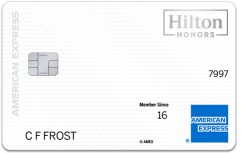
Hilton Honors American Express Card
Intro bonus:100,000 Points
Ongoing APR:19.49%-28.49% Variable
Rewards:3x - 7x (Points per dollar)
Annual Fee:$0
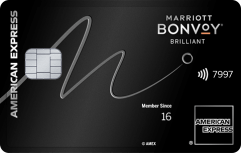
Marriott Bonvoy Brilliant® American Express® Card
Intro bonus:100,000 Points
Ongoing APR:19.49%-28.49% Variable
Rewards:2x - 6x (Points per dollar)
Annual Fee:$650
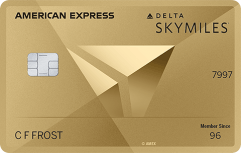
Delta SkyMiles® Gold American Express Card
Intro bonus:Up to 90,000 Bonus Miles
Ongoing APR:19.49%-28.49% Variable
Rewards:1x - 2x (Miles per dollar)
Annual Fee:$0 introductory annual fee for the first year, then $150.

Credit One Bank® Premier American Express® Unlimited Rewards Card
Ongoing APR:29.74% Variable
Rewards:1% (cash back)
Annual Fee:$0
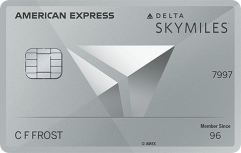
Delta SkyMiles® Platinum American Express Card
Intro bonus:Up to 100,000 Bonus Miles
Ongoing APR:19.49%-28.49% Variable
Rewards:1x - 3x (Miles per dollar)
Annual Fee:$350
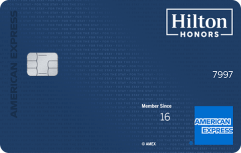
Hilton Honors American Express Surpass® Card
Intro bonus:130,000 Points
Ongoing APR:19.49%-28.49% Variable
Rewards:3x - 12x (Points per dollar)
Annual Fee:$0 introductory annual fee, then $150.
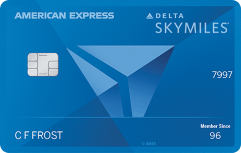
Delta SkyMiles® Blue American Express Card
Intro bonus:10,000 Miles
Ongoing APR:19.49%-28.49% Variable
Rewards:1x - 2x (Miles per dollar)
Annual Fee:$0
Marriott Bonvoy Bevy® American Express® Card
Intro bonus:85,000 Points
Ongoing APR:19.49%-28.49% Variable
Rewards:2x - 6x (Points per dollar)
Annual Fee:$250

Avant® Cashback Rewards Mastercard®
Ongoing APR:35.99%*
Rewards:1% (cash back)
Annual Fee:$75*

Bank of America® Customized Cash Rewards credit card
Intro bonus:$200
Intro APR:0% Intro APR on purchases and qualifying balance transfers for 15 billing cycles
Ongoing APR:17.49% - 27.49% Variable
Rewards:1% - 6% (cash back)
Annual Fee:$0
Bank of America® Travel Rewards credit card
Intro bonus:25,000 Points
Intro APR:0% Intro APR on purchases and qualifying balance transfers for 15 billing cycles
Ongoing APR:17.49% - 27.49% Variable
Rewards:1.5x - 3x (Points per dollar)
Annual Fee:$0

Bank of America® Unlimited Cash Rewards credit card
Intro bonus:$200
Intro APR:0% Intro APR on purchases and qualifying balance transfers for 15 billing cycles
Ongoing APR:17.49% - 27.49% Variable
Rewards:1.5% - 2% (cash back)
Annual Fee:$0
See all our best rewards credit cards for 2026.
How to Read Your Credit Card Statement
Here's how to read your credit card statement, section by section.
Account Information
The top of the statement typically includes your name, address, the last four digits of your account number and the date range or end date of the billing cycle.
Summary of Account Activity
Sometimes labeled activity summary or account summary, the summary of account activity is an overview of your account during the billing cycle. Here's what it includes and what the information means:
| Term | What It Means |
|---|---|
| Previous balance | Any balance from the previous billing cycle |
| Payments | Any payments you made during the billing cycle |
| Other credits | Any statement credits you received, including refunds and other credits applied to your account |
| Purchases | Total purchases made |
| Balance transfers | Any balances transferred from other accounts to the card |
| Cash advances | Total cash advances you withdrew |
| Fees charged | Any applicable fees, such as late payment, balance transfer and cash advance fees |
| Interest charged | Total interest added to your balance |
| New balance | Total of all transactions, plus any previous unpaid balance, interest and fees |
| Past due | Any payment from the previous statement that was not made by the due date |
In or near the summary of activity, you may also see your credit limit, your available credit as of the statement date, your statement closing date and the number of days in your billing cycle.
Payment Information
The payment information box spotlights three critical numbers:
- New balance: The total amount you must pay by the due date to avoid interest charges. Most credit cards offer a grace period, meaning you won't be charged interest if you pay your statement balance in full each month. Your statement balance may differ from the current balance, which includes transactions after the statement closing date.
- Minimum payment due: The minimum amount you must pay by the due date to keep your account in good standing.
- Payment due date: The date your payment is due. If you don't make at least your minimum payment by the due date, you may face a late fee or be charged a penalty interest rate. A payment that's 30 days or more overdue may also be reported to credit bureaus, which can damage your credit score.
Tip: If you pay only the minimum on your credit card, you'll start accruing interest on the balance, which can eventually snowball into unmanageable debt. You can avoid paying any interest by paying your statement balance in full each month.
Learn more: Reasons to Pay More Than the Minimum on Your Credit Card
Account Notifications
This section, sometimes called account messages or important messages, notifies you of any changes in your terms. For example, your card issuer might change your annual fee, late payment fee or interest rate if it gives you at least a 45-day notice. Credit cards also have variable interest rates that can increase without advance notice if the card's benchmark rate rises.
Notifications can also include ongoing information, such as whether you've enrolled in automatic payments and, if you have, the payment amount and date.
Transactions
The transactions section lists purchases, balance transfers, cash advances, payments and credits. Transaction details might include the date, amount and description. Authorized users' transactions may be listed separately.
Reviewing your transactions regularly can give you insights into your spending habits so you can manage your money better. For example, you might find recurring charges for services or subscriptions you could cancel to save money. Or, you might notice a rash of impulse purchases and realize you need to cut back.
Tip: Reduce your risk of credit card fraud by checking your statement regularly for unauthorized transactions. You can also set up account alerts to get notified of transactions as they occur.
Fees and Interest
These sections of your credit card statement cover:
- Fees: Any fees you were charged during this billing cycle, such as late fees, balance transfer fees or foreign transaction fees.
- Interest charged: Total interest you were charged during this billing cycle. This may also be broken out by category into purchases, cash advances and balance transfers.
- Totals year-to-date: Total fees and interest you were charged for the year to date.
- Interest charge calculation: Credit cards can have different annual percentage rates (APRs) for purchases, cash advances and balance transfers. This section lists your APR by balance type, the balance subject to interest that month and any interest charged.
Reviewing these sections can help you identify fees or charges you may be able to avoid, such as late fees or interest charges you could wipe out by paying your balance in full.
Learn more: How Does Credit Card Interest Work?
Rewards
If you have a rewards card, your statement typically states your total rewards balance year-to-date, as well as the rewards you earned and redeemed during the billing cycle. Some statements may also list rewards information next to each transaction in the transaction section.
How Long to Keep Credit Card Statements
If there were no fraudulent transactions and you don't need the credit card statement for tax purposes, you may not need to keep your statements.
- If there is a fraudulent transaction, hold on to the statement until the dispute is resolved.
- If you use the statement for tax purposes, such as documenting business purchases, the IRS recommends keeping it for three years from the date you filed the tax return.
You can access and download your previous credit card statements online, although how far back you can go varies by card issuer.
Frequently Asked Questions
Monitor Your Credit Report
Understanding and reviewing your credit card statements is important, but it's only part of the financial picture. Regularly reviewing your credit report and credit score, which you can check for free with Experian, can provide insight into how your credit card account activity impacts your credit score over time.
For a convenient way to stay on top of your credit, consider signing up for free credit monitoring from Experian. You'll be able to track your FICO® ScoreΘ and get alerts of changes to your credit report or credit usage that could signal fraud.
Don’t apply blindly
Apply for credit cards confidently with personalized offers based on your credit profile. Get started with your FICO® Score for free.
See your offers
About the author

Karen Axelton
Karen Axelton is Experian’s in-house senior personal finance writer. She has over 20 years of experience as a journalist and has written or ghostwritten content for a variety of financial services companies.
Read more from Karen