
How Do Credit Card Payments Work?

Quick Answer
Credit card payments are due every month and you can pay online, over the phone or by mail. You need to pay your minimum payment each month to keep your account in good standing. It’s best to pay your statement balance to avoid interest, strengthen your credit and keep debt from piling up.

Your credit card payment will be due once per month and can be made online, over the phone or via mail. You can pay the minimum due, the statement balance, the current balance or another amount, and you can set up autopay to ensure you never miss a payment. You can also make payments more than once a month if you choose to.
Typically, your credit card bill lists the minimum credit card payment due alongside its due date and your total statement balance. But you can always pay more than the minimum, and in most cases, it will benefit you—and keep debt from building up—if you do so.
Here's what you need to know about how credit card payments work.
What Is a Credit Card Balance?
In general, a credit card balance is the total amount you owe your credit card issuer at a particular time. When you get your credit card bill, you'll notice that it lists two different balances:
- Statement balance: The statement balance on your bill, sometimes also called the new balance, shows the total amount you owe at the end of the most recent billing cycle. This will appear in a summary box near the top of your monthly statement. Your statement balance includes purchases, fees, interest, unpaid balances from previous months and any payments or credits you've made or redeemed since your previous statement.
- Current balance: The current balance reflects your balance at the precise time you check it, and it includes purchase charges, fees, interest and unpaid balances. Think of your current balance as your real-time balance.
The monthly statement you receive in the mail typically only shows your statement balance, but you'll notice your statement and current balances when you view your account online. Plan to pay off at least your statement balance each month in order to avoid interest charges.
Example: Let's say you spend $500 during a billing cycle, and another $50 after your cycle closes. When you receive your next credit card statement, your statement balance will be $500, but if you log in to your online account, your current balance will be $550. In this case, your current balance is higher than your statement balance because it reflects what you owe at the time, not your balance at the end of your last billing cycle.
Learn more: 14 Credit Card Terms You Should Know
Best credit cards of 2026
Compare cards from our partners with intro bonuses, cash back or points offers, and annual fees as low as $0.
Offers from our partners
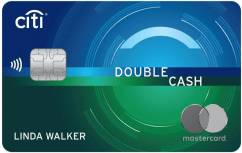
Citi Double Cash® Card
Intro APR:0% for 18 months on Balance Transfers
Ongoing APR:17.49% - 27.49% (Variable)
Rewards:2% (cash back)
Annual Fee:$0
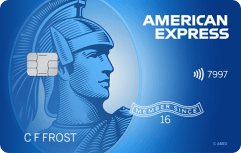
Blue Cash Everyday® Card from American Express
Intro bonus:As High As $200 Cash Back. Find Out Your Offer.
Intro APR:0% on Purchases and Balance Transfers for 15 months
Ongoing APR:19.49%-28.49% Variable
Rewards:1% - 3% (cash back)
Annual Fee:$0
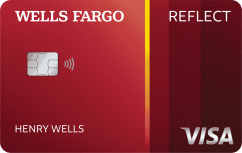
Wells Fargo Reflect® Card
Intro APR:0% intro APR for 21 months from account opening on purchases and qualifying balance transfers
Ongoing APR:17.49%, 23.99%, or 28.24% Variable APR
Rewards:N/A*
Annual Fee:$0
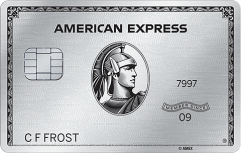
American Express Platinum Card®
Intro bonus:As high as 175,000 points. Find out your offer.
Ongoing APR:See Pay Over Time APR
Rewards:1x - 5x (Points per dollar)
Annual Fee:$895
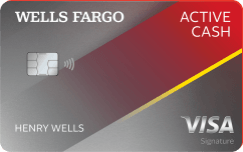
Wells Fargo Active Cash® Card
Intro bonus:$200
Intro APR:0% intro APR for 12 months from account opening on purchases and qualifying balance transfers
Ongoing APR:18.49%, 24.49%, or 28.49% Variable APR
Rewards:2% (Cash Rewards)
Annual Fee:$0

Discover it® Cash Back
Intro bonus:Cashback Match™
Intro APR:0% intro APR for 15 months on Purchases and Balance Transfers
Ongoing APR:17.49% - 26.49% Variable APR
Rewards:1% - 5% (cash back)
Annual Fee:$0
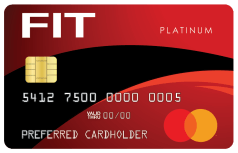
FIT™ Platinum Mastercard® - $400 Credit Limit
Ongoing APR:35.90% Fixed
Rewards:N/A*
Annual Fee:$99 first year; $125 thereafter

Avant® Cashback Rewards Mastercard®
Ongoing APR:29.99%*
Rewards:2% (cash back)
Annual Fee:$0*

The opensky® Secured Visa® Credit Card
Ongoing APR:23.89% Variable
Rewards:10% (cash back)
Annual Fee:$35

Credit One Bank American Express® Card for Rebuilding Credit
Ongoing APR:29.74% Variable
Rewards:1% (cash back)
Annual Fee:$75 First year. $99 thereafter, billed monthly at $8.25
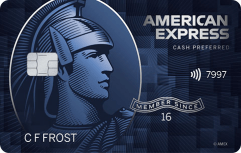
Blue Cash Preferred® Card from American Express
Intro bonus:As High As $300 Cash Back. Find Out Your Offer.
Intro APR:0% on Purchases and Balance Transfers for 12 months
Ongoing APR:19.49%-28.49% Variable
Rewards:1% - 6% (cash back)
Annual Fee:$0 intro annual fee for the first year, then $95.
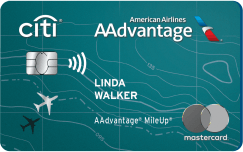
American Airlines AAdvantage® MileUp® Card
Intro APR:0% for 15 months on Balance Transfers
Ongoing APR:19.49% - 29.49% (Variable)
Rewards:2x (Miles per dollar)
Annual Fee:$0
Costco Anywhere Visa® Card by Citi
Ongoing APR:18.74% - 26.74% (Variable)
Rewards:1% - 5% (cash back)
Annual Fee:$0
American Express® Gold Card
Intro bonus:As high as 100,000 points. Find out your offer.
Ongoing APR:See Pay Over Time APR
Rewards:1x - 4x (Points per dollar)
Annual Fee:$325

Avant® Cashback Rewards Mastercard®
Ongoing APR:35.99%*
Rewards:1% (cash back)
Annual Fee:$75*
Citi® / AAdvantage® Globe™ Mastercard®
Ongoing APR:19.49% - 29.49% (Variable)
Rewards:1x - 6x (Miles per dollar)
Annual Fee:$350

Avant® Cashback Rewards Mastercard®
Ongoing APR:35.99%*
Rewards:1% (cash back)
Annual Fee:$39*
First Progress Select Secured Mastercard® Cash Back Rewards
Ongoing APR:17.49% Variable
Rewards:1% - 10% (cash back)
Annual Fee:$39
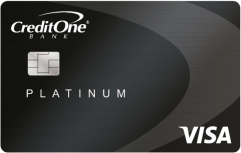
Credit One Bank® Platinum Visa®
Ongoing APR:29.74% Variable
Rewards:1% (cash back)
Annual Fee:$39

Credit One Bank® Wander® American Express® with Dining, Gas & Travel Rewards
Ongoing APR:29.74% Variable
Rewards:1% - 10% (cash back)
Annual Fee:$95
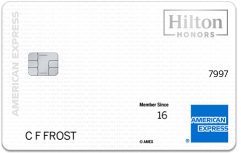
Hilton Honors American Express Card
Intro bonus:70,000 Points
Ongoing APR:19.49%-28.49% Variable
Rewards:3x - 7x (Points per dollar)
Annual Fee:$0
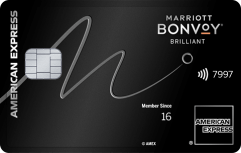
Marriott Bonvoy Brilliant® American Express® Card
Intro bonus:200,000 Points
Ongoing APR:19.49%-28.49% Variable
Rewards:2x - 6x (Points per dollar)
Annual Fee:$650

Discover it® Miles
Intro bonus:Discover Match®
Intro APR:0% intro APR for 15 months on Purchases and Balance Transfers
Ongoing APR:17.49% - 26.49% Variable APR
Rewards:1.5x (Miles per dollar)
Annual Fee:$0
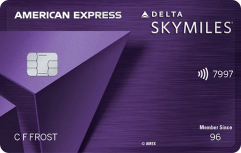
Delta SkyMiles® Reserve American Express Card
Intro bonus:As High As 100,000 Bonus Miles. Find Out Your Offer.
Ongoing APR:19.49%-28.49% Variable
Rewards:1x - 3x (Miles per dollar)
Annual Fee:$650
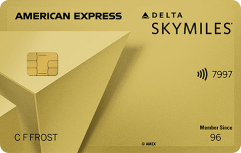
Delta SkyMiles® Gold American Express Card
Intro bonus:As High As 80,000 Bonus Miles. Find Out Your Offer.
Ongoing APR:19.49%-28.49% Variable
Rewards:1x - 2x (Miles per dollar)
Annual Fee:$0 introductory annual fee for the first year, then $150.
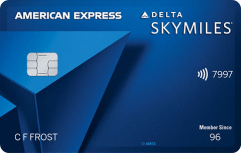
Delta SkyMiles® Blue American Express Card
Intro bonus:10,000 Miles
Ongoing APR:19.49%-28.49% Variable
Rewards:1x - 2x (Miles per dollar)
Annual Fee:$0
PREMIER Bankcard® Mastercard® Credit Card
Ongoing APR:See Rates & Fees
Rewards:N/A*
Annual Fee:See Rates & Fees
One Key™ Card
Intro bonus:$300
Ongoing APR:18.49%, 23.49%, or 28.49% Variable APR
Rewards:1.5x - 3x (Points per dollar)
Annual Fee:$0
One Key+™ Card
Intro bonus:$350
Ongoing APR:18.49%, 23.49%, or 28.49% Variable APR
Rewards:2x - 3x (Points per dollar)
Annual Fee:$99

Avant® Cashback Rewards Mastercard®
Ongoing APR:35.99%*
Rewards:1% (cash back)
Annual Fee:$0*
See all our best credit cards for 2026.
How to Read Your Credit Card Statement
Each month, you'll receive a copy of your credit card statement mailed or emailed to you. Keep an eye on these details included in the statement:
- Due date: The date by which the issuer has to receive payment.
- Minimum payment: How much you need to pay to keep your account in good standing. This often only covers 1% to 4% of your outstanding balance, as calculated by your card issuer—or a fixed amount of $25 or $35—so paying just this amount likely means carrying a balance to the next month and paying interest charges.
- Statement balance: Sometimes also called the new balance, this is how much you need to pay if you want to avoid paying interest on purchases.
- Current balance: The amount you must pay if you want to bring your account balance to $0 as of today.
How Do Credit Card Payments Work?
While paying your statement balance or current balance delivers the most benefits, make at least your minimum payment each month to keep your account in good standing.
Consider the minimum payment a true minimum, however: Bringing your balance to $0 each billing cycle will save you money on interest, help improve your credit by lowering your credit utilization rate and prevent unmanageable debt from piling up.
Setting up automatic payments will help ensure you don't overlook a due date. Credit card companies typically report missed payments to the credit bureaus once your payment is at least 30 days late. Even one 30-day-late payment can harm your credit score and remain on your credit report for seven years.
How to Pay Your Credit Card Bill
Here are your options for making a payment to a credit card company:
- Autopay: Set up automatic payments from a linked bank account. You can generally choose the amount, or opt to always pay the statement balance or minimum payment. Just be sure to monitor both your credit card balance and your bank balance to avoid overdrawing your account with an automated payment.
- Online: You can log in to your online account or credit card issuer's app and manually make a payment from a linked account. You may decide, for example, to set up autopay for the statement balance as a backup, but make manual payments throughout the billing cycle if you want to keep your credit card balance low.
- In person: You may be able to make a payment at a bank branch or ATM affiliated with your credit card issuer. This is a way to pay your credit card bill with cash.
- Phone: Call the card issuer to make your payment after confirming your credit card account and payment method. The number may direct you to an operator or automated service line.
- Mail or wire transfer: You may be able to mail a personal check, cashier's check or money order, or send a wire transfer for your payment. However, using this option may result in your payment getting lost or stolen or arriving after your due date. If you decide to mail a payment, don't mail cash and be sure to send it with plenty of time for your payment to reach the issuer prior to your due date.
When Should You Pay Off Your Credit Card Balance?
It's best to pay your full statement balance before your due date each month. If you do this, and your card has a grace period, you won't pay interest on that month's credit card purchases. The grace period is generally 30 days, from the end of your monthly billing cycle to the day your credit card payment is due.
Example: Let's say that from July 15 to August 15 (one 30-day billing cycle), you make $500 in new purchases, and your account was previously at $0. Your statement balance will be $500. Since you have a grace period, your bill will be due on September 15. If you pay off the $500 by the due date, you won't pay any interest.
Now let's say you make only the minimum payment, which is $40, and you pay after the due date, incurring a late fee of $32. You will carry a balance of $460, plus the $32 fee, into the following billing cycle. You'll lose your grace period on new purchases, and your balance will start accruing interest—at an average annual percentage rate (APR) of 21.51% as of May 2024, according to the Federal Reserve. That's about an extra $106 on a $492 balance.
Learn more: When Can You Be Charged a Late Fee?
How to Avoid Credit Card Late Fees and Penalties
You can avoid late fees and penalties by making at least the minimum payment due each month and paying by the due date. Here are some common terms to know:
- Late fee: This is the fee that a credit card issuer can charge if you pay after the due date. The typical late fee is $32, according to the Consumer Financial Protection Bureau, though the organization is trying to put rules in place to cap these fees at $8.
- Over-the-limit fee: Credit card issuers charge this fee when a transaction takes you over your credit limit. Some issuers will deny the transaction. If yours allows the transaction, you'll typically pay a fee of up to $25 the first time and up to $35 if it's the second occurrence within six months.
- Returned payment fee: You could pay a fee of $25 to $40 for a returned credit card payment if you don't have enough money in your connected bank account. The bank may also charge you an overdraft fee.
Here are a few tips to help you keep up with your due dates and make your payments on time:
- Set up autopay. Using autopay for at least the minimum monthly payment can help you avoid late fees.
- Choose your payment dates. Many card issuers let you change your bill's due date. Choose a date that's easy to remember and aligns with your finances (the day after you're paid, for instance).
- Sign up for notifications. You may be able to sign up for email, text and app notifications. You can also set up alerts for when your balance goes above a certain point or when your bill is due.
- Make payments throughout the month. Making early payments can lead to lower utilization rates and help you avoid surprisingly large bills. If you get paid weekly or every other week, you could choose those times to pay down your credit card bill. Additionally, early payments made before your card's statement closing date—the last day of your billing cycle—may lower your credit utilization rate and help your credit score.
- If you do miss a due date, make your payment as soon as possible. Once your payment is 30 days late, the credit card company may report the missed payment to the credit bureaus. Paying before that 30 days is up could prevent harm to your credit score, though the company may still charge a late fee.
The Bottom Line
Paying your credit card bill in full every month is one of the best habits you can develop to bolster your credit and limit debt. That requires understanding when your payment is due and how your payments are applied. When you pay on time and in full, you'll also avoid interest charges and help your credit score by lowering your credit utilization rate—a win all around.
Don’t apply blindly
Apply for credit cards confidently with personalized offers based on your credit profile. Get started with your FICO® Score for free.
See your offers
About the author

Brianna McGurran
Brianna McGurran is a freelance journalist and writing teacher based in Brooklyn, New York. Most recently, she was a staff writer and spokesperson at the personal finance website NerdWallet, where she wrote "Ask Brianna," a financial advice column syndicated by the Associated Press.
Read more from Brianna