
 Edited by Michelle Tipsword
Financial Literacy Month: Try This Credit and Financial Health Checkup
Edited by Michelle Tipsword
Quick Answer
April is Financial Literacy Month, a time to strengthen essential money skills. Our tips to improve your credit, budget, save, manage debt and invest can help you build financial security and achieve your financial goals.

April is Financial Literacy Month, an ideal time to build money management skills like budgeting, saving, building credit, managing debt and investing. Getting better at even one of these skills can help you make smarter financial decisions, reduce the risk of costly mistakes and build financial security. No matter where you are on your financial journey, here are six things you can do to improve your financial literacy and boost your overall financial health.
1. Build Your Credit
Your credit scores are three-digit numbers that reflect how you manage credit and repay debt. Credit scores are calculated using information from your credit reports.
Why It Matters
Lenders use credit scores to assess how risky you are as a borrower. Good credit can help you:
- Qualify for a credit card with better rates and a higher credit limit
- Open a cellphone account
- Qualify for lower car insurance rates
- Qualify for an auto loan, personal loan or mortgage
- Rent an apartment without a cosigner or an extra deposit
How to Improve This Month
- Check your credit report. You can get free weekly credit reports from all three consumer credit bureaus (Experian, TransUnion and Equifax) at AnnualCreditReport.com. Reports don't include credit scores, but you can check your FICO® ScoreΘ for free from Experian.
- Dispute inaccuracies. If you find something on your credit report you believe is incorrect, you have the right to file a dispute with the credit bureau. Correcting information may change your credit score.
- Pay bills on time. Payment history is the single biggest factor in your credit score. A payment that's 30 days late or more can damage your credit. Consider setting up autopay for bills to avoid late payments.
- Keep credit utilization low. Your credit utilization ratio measures how much of your available credit you're using. Lower utilization is better; people with the highest credit scores generally have utilization rates under 10%.
- Add eligible household bills to your credit report. Experian Boost®ø is a free feature that adds eligible rent, phone, utility, insurance and streaming payments to your Experian credit file, which could help improve your credit scores based on Experian data.
Instantly raise your credit scoresø
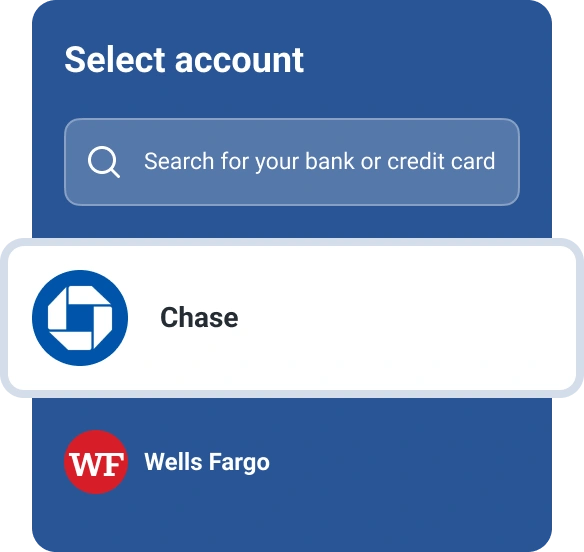
Add any bank accounts you use to pay your bills. Your information remains private.
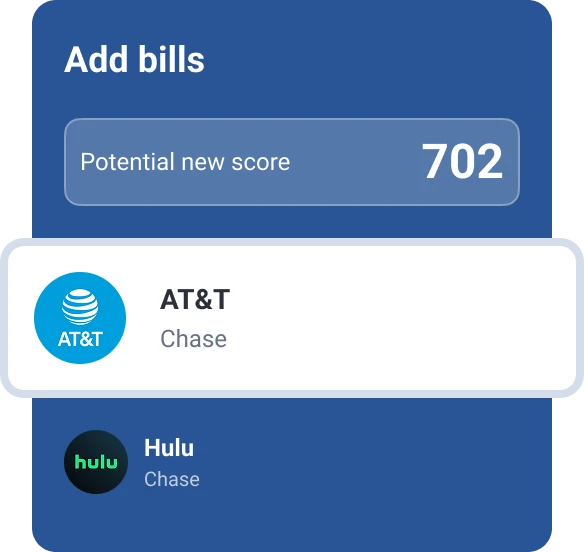
We’ll detect bills with on-time payments, and you can add them to your Experian credit file.
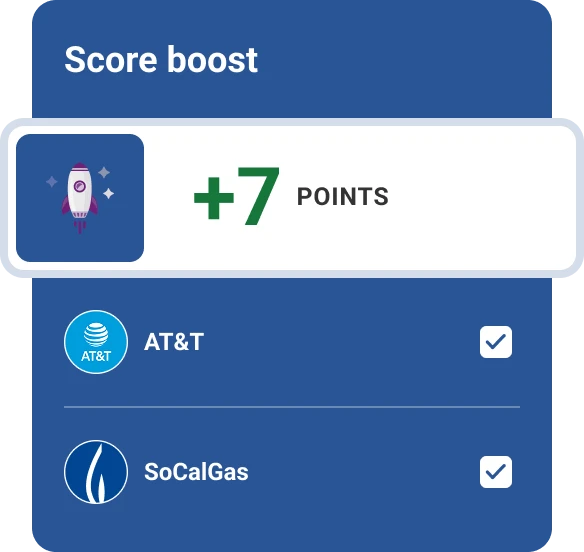
You’ll find out right away if your credit scores increased and by how many points.
Learn more: What Is a Good Credit Score?
2. Create a Budget
A budget is a plan for spending and saving your income so you can direct your money toward your priorities.
Why It Matters
Creating and following a budget can help you:
- Avoid overspending
- Build savings
- Reduce financial stress by ensuring you can cover your expenses
How to Improve This Month
- Calculate your monthly net income and expenses. Include fixed expenses (such as rent and car payments) and variable expenses (such as groceries, gas and entertainment).
- Choose a budgeting method. The 50/30/20 rule is a simple starting point, but you can choose any budgeting method that fits your lifestyle.
- Track expenses. Your bank, credit union or credit card issuer may track your spending and categorize it automatically, or you can use a free or paid budgeting app.
- Review your budget regularly. If your spending exceeds your income, look for places to cut back or ways to increase your income.
Learn more: How to Stick to a Budget
3. Develop a Savings Plan
Consistently prioritizing savings creates a financial cushion and gives you more control over your money.
Why It Matters
Saving regularly can help you:
- Cover unexpected expenses
- Gain financial flexibility to take advantage of opportunities
- Avoid relying on high-interest debt
How to Improve This Month
- Set savings goals. Saving 5% to 10% of your paycheck is a good general guideline, but if that's unrealistic, start smaller. Saving consistently is what's important.
- Build an emergency fund first. Set a starter goal of $500 or $1,000 and work toward saving three to six months of essential expenses.
- Consider a high-yield savings account. High-yield savings accounts offer interest rates higher than traditional savings accounts, which can help your money grow faster.
- Pay yourself first. Split paycheck direct deposits between your savings and checking accounts or set up automatic transfers through your bank.
Tip: When you get a windfall, such as a bonus or tax refund, direct some or all of it to savings.
Learn more: What Does It Mean to Pay Yourself First?
4. Manage Debt
Some types of debt, like a student loan or mortgage, can benefit you if managed responsibly, but high-interest or unnecessary debt can cause financial stress.
Why It Matters
High-interest debt can:
- Lower your credit score by increasing your credit utilization
- Push you into a debt cycle that's hard to escape
- Delay progress toward financial goals
How to Improve This Month
- List your debt: Include balances, minimum payments, due dates and interest rates. (You can find all your debts in the Accounts section of your credit report.)
- Choose a payoff method: Two popular approaches are the debt snowball method (paying the smallest balance first) and the debt avalanche method (paying the highest interest rate first).
- Consider consolidating debt if you can find a lower interest rate: With good credit, you may qualify for a debt consolidation loan or a balance transfer credit card with an introductory 0% annual percentage rate (APR). A loan offers predictable monthly payments; a balance transfer can reduce interest if you pay off the balance before the promotional period ends.
- Avoid new debt: Reduce impulse spending by leaving credit cards at home and deleting your card information from your online accounts.
Tip: Use Experian's free credit card payoff calculator to see how quickly you can pay off debt.
Learn more: Steps to Get Out of Debt
5. Invest Your Money
Investing means putting your money into assets with the potential to build value over time.
Why It Matters
Investing involves risk, but it can help you:
- Grow your money through compound interest (earning interest on both the money you invest and the interest it generates)
- Build wealth over the long term
- Provide for a comfortable retirement
How to Improve This Month
- Take advantage of employer matches. If your employer matches your 401(k) contribution, contribute enough to get the maximum match.
- Open an IRA. An individual retirement account (IRA) can supplement your 401(k) and is an option if you don't have an employer-sponsored retirement plan. You can open an IRA through an online broker, bank or credit union.
- Consider a brokerage account. You can open some brokerage accounts with $100 or less and diversify your portfolio by investing in securities like mutual funds or individual stocks.
- Invest consistently. Setting up automatic contributions can help you build wealth and reduce the temptation to try to time the market.
Learn more: Best Ways to Invest Your Money at Every Age
6. Safeguard Your Money
Understanding and managing the risks to your finances is an important aspect of financial literacy.
Why It Matters
Insurance and fraud prevention strategies can:
- Protect against financial losses
- Meet your mortgage or auto lender's requirements
- Provide peace of mind
How to Improve This Month
- Review your insurance coverage: Revisit your homeowners or renters and car insurance annually, as well as after major life changes, to ensure the coverage still meets your needs.
- Shop around: Compare coverage and premiums regularly to find the right coverage at an affordable rate. Experian's auto insurance comparison tool lets you compare quotes from top insurers in one place.
- Strengthen security: Use strong passwords (or a passkey if it's an option). Enable multifactor authentication (MFA) and consider placing a credit freeze on your credit reports.
- Consider identity theft protection: Identity protection tools such as credit monitoring and a dark web scan are included with your free Experian membership. You can also choose a paid premium membership with additional protections like identity theft insurance and fraud resolution support.
Frequently Asked Questions
Small Steps, Big Impacts
Financial Literacy Month is a reminder that small improvements in how you budget, save, use credit and invest can have a big impact over time. Enhancing even one money skill this April can move you closer to your goals.
Getting a free Experian account is a good starting point. You'll be able to check your FICO® Score for free, monitor your credit and access personalized financial tools and tips.
What makes a good FICO® Score?
Learn what it takes to achieve a good credit score. Review your FICO® Score for free and see what’s helping and hurting your score.
Get your FICO® ScoreNo credit card required

About the author

Karen Axelton
Karen Axelton is Experian’s in-house senior personal finance writer. She has over 20 years of experience as a journalist and has written or ghostwritten content for a variety of financial services companies.
Read more from Karen