
 By Ben Luthi
Should You Use a Balance Transfer to Pay Off an Auto Loan?
By Ben Luthi
Quick Answer
Paying off an auto loan with a balance transfer card could be worth it if you have a low balance and can afford to pay it off within the introductory period. However, the potential savings may be small.

Transferring a car loan to a balance transfer credit card could be worth considering if you can secure a 0% introductory annual percentage rate (APR) and repay your debt before the intro period ends.
Before you proceed, however, it's a good idea to run the numbers to determine if it's the right fit for you. It's also crucial to understand the risks. If you're considering a balance transfer credit card as a way to pay off an auto loan, here's what to keep in mind.
Pros and Cons of Transferring a Car Loan to a Credit Card
Depending on your situation, there may be both advantages and disadvantages to using a balance transfer to pay off a car loan. Here's what to consider.
Pros
-
Potential interest savings: Credit cards generally have higher interest rates than auto loans. However, if you have good credit, you may qualify for a balance transfer card with an introductory 0% APR promotion, which can last up to 21 months. In other words, you may be able to eliminate your remaining auto loan balance interest-free.
-
Potentially lower payments: Depending on the details of your current loan and the balance transfer card you choose, transferring your debt could result in a lower monthly payment. This can put less strain on your budget as you work to eliminate the debt.
-
Unsecured debt: Your auto lender technically owns the car until you pay off your loan. By transferring the debt to a balance transfer card, you'll receive the title to the vehicle, owning it outright. In the unlikely event that you default on your card, you won't have to worry about losing your car to repossession.
Learn more: Pros and Cons of Balance Transfer Cards
Cons
-
Threat of more interest charges: If you can't pay off your balance transfer within the promotional period, your remaining balance will be subject to the card's regular balance transfer APR. This can significantly increase your interest costs. Additionally, if you miss a payment, you could lose your 0% intro APR promotion, resulting in more interest before you're ready for it.
-
Fees: A balance transfer card may charge you 3% to 5% of the transferred amount, which is added to your balance. This upfront charge may eat into your potential interest savings.
-
Credit score impact: When you apply for a credit card, you'll incur a hard inquiry on one or more of your credit reports, which can negatively impact your credit score by a few points. What's more, opening the account and transferring the balance could negatively affect your length of credit history and credit utilization rate.
-
Potentially low credit limit: When applying for a credit card, you won't know what your credit limit will be until you've been approved. Depending on your creditworthiness and other debt, the card issuer may not give you enough available credit to cover your loan balance.
-
May not be available: Not all auto loan lenders and credit card companies allow balance transfers to be used to pay off auto loan debt. This could limit your options or make using a balance transfer to pay off your loan impossible.
Should You Transfer Your Car Loan to a 0% Intro APR Card?
Transferring a car loan to a credit card can be risky, even if you have a 0% introductory APR. The average credit card interest rate was 23.37% in the third quarter of 2024, according to the Federal Reserve, while the interest rate on an auto refinance loan can be in the single digits if you have good or excellent credit.
One way to determine whether a balance transfer is right for you is to do the math. As an example, let's say that you have roughly $7,730 left on a $20,000 auto loan, which you expect to pay off in 24 months. The interest rate is 5%, and your monthly payment is $322.10.
You believe you qualify for a balance transfer credit card with a 21-month 0% intro APR promotional period and a 5% balance transfer fee. Here's how the math looks for both options:
| Auto Loan | Balance Transfer Card | |
|---|---|---|
| Upfront fee | $0 | $386.50 |
| Monthly payment | $322.10 | $386.50* |
| Interest costs | $403 | $0 |
| Total costs | $8,133 | $8,116.50 |
*Note: This is the required monthly payment to eliminate the debt before the promotional period expires.
For this particular scenario, you'd end up paying nearly $65 more per month for only $16.50 in total savings, which likely isn't worth it. However, if you have a higher interest rate or monthly payment, a balance transfer could save you more.
To get numbers specific to your situation, you can enter your original loan details into a car payment calculator with a payment schedule to get an idea of the remaining interest charges on your loan.
How to Choose a Balance Transfer Credit Card
If you've run the numbers and determined that a balance transfer would benefit you, it's important to shop around and compare several offers before choosing one so you can maximize your savings. Here are some features to pay attention to as you shop around:
- Introductory APR: Some card issuers may offer introductory promotions on balance transfers, but the APR isn't 0%. Only consider cards that allow you to pay down your balance interest-free.
- Promotional period: Balance transfer promotions may range anywhere from 12 to 21 months. While cards with shorter promotional periods are more likely to offer other perks, such as rewards, prioritize your interest savings.
- Eligibility requirements: Most balance transfer credit cards require good or excellent credit to get approved—meaning a FICO® ScoreΘ of 670 or higher. That said, some cards may be accessible to borrowers with fair credit. With Experian, you can get matched with credit card offers based on your credit profile.
- Balance transfer terms: Some credit card issuers may only allow you to transfer a balance from another card (not a loan), and that's not something you want to discover after you've opened an account.
Best balance transfer cards of 2026
Compare balance transfer offers from our partners with 0% APRs and generous introductory periods.
Offers from our partners
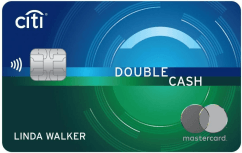
Citi Double Cash® Card
Intro APR:0% for 18 months on Balance Transfers
Ongoing APR:18.24% - 28.49% (Variable)
Rewards:
2% (cash back)
Earn 2% on every purchase with unlimited 1% cash back when you buy, plus an additional 1% as you pay for those purchases. To earn cash back, pay at least the minimum due on time. Plus, earn 5% total cash back on hotel, car rentals and attractions booked with Citi Travel.
Annual Fee:$0
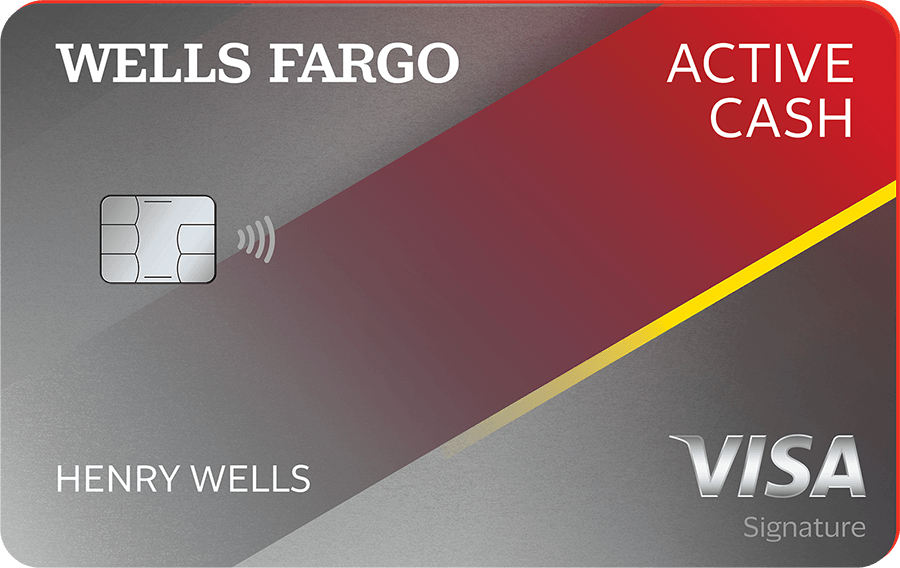
Wells Fargo Active Cash® Card
Intro bonus:
$100
Earn a $100 cash rewards bonus after spending $500 in purchases in the first 3 months.
Intro APR:0% intro APR for 12 months from account opening on purchases and qualifying balance transfers
Ongoing APR:18.49%, 24.49%, or 28.49% Variable APR
Rewards:
2% (Cash Rewards)
Earn unlimited 2% cash rewards on purchases.
Annual Fee:$0
Blue Cash Preferred® Card from American Express
Intro bonus:
As High As $300 Cash Back. Find Out Your Offer.
You may be eligible for as high as $300 cash back after spending $3,000 in purchases on your new Card in the first 6 months. Welcome offers vary and you may not be eligible for an offer. Cash back is received as Reward Dollars, redeemable for statement credit or at Amazon.com checkout. Terms Apply.
Intro APR:0% on Purchases and Balance Transfers for 12 months
Ongoing APR:19.49%-28.49% Variable
Rewards:
1% - 6% (cash back)
Earn 6% cash back at U.S. supermarkets on up to $6,000 per year in eligible purchases (then 1%), 6% cash back on select U.S. streaming subscriptions, 3% cash back at eligible U.S. gas stations and on transit (including taxis/rideshare, parking, tolls, trains, buses and more) purchases and 1% cash back on other purchases. Cash Back is received in the form of Reward Dollars that can be redeemed as a statement credit and at Amazon.com checkout.
Annual Fee:$0 intro annual fee for the first year, then $95.
American Airlines AAdvantage® MileUp® Card
Intro APR:0% for 15 months on Balance Transfers
Ongoing APR:19.49% - 29.49% (Variable)
Rewards:
2x (Miles per dollar)
Earn 2 AAdvantage® miles for each $1 spent at grocery stores, including grocery delivery services. Earn 2 AAdvantage® miles for every $1 spent on eligible American Airlines purchases. Save 25% on inflight food and beverage purchases when you use your card on American Airlines flights
Annual Fee:$0

Ollo Everyday Rewards
Ongoing APR:23.99%-29.99% Variable
Rewards:
1% - 3% (cash back)
Unlimited 3% cash back on all gas stations and EV charging stations, grocery store and drugstore purchases. Unlimited 1% cash back on all other purchases.
Annual Fee:$0
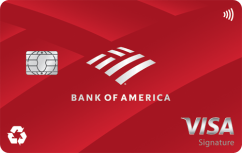
Bank of America® Customized Cash Rewards credit card
Intro bonus:
$200
$200 online cash rewards bonus after you make at least $1,000 in purchases in the first 90 days of account opening
Intro APR:0% Intro APR for 15 billing cycles for purchases, and for any balance transfers made in the first 60 days
Ongoing APR:17.49% - 27.49% Variable
Rewards:
1% - 6% (cash back)
Earn 6% cash back for the first year in the category of your choice. You’ll automatically earn 2% cash back at grocery stores and wholesale clubs, and unlimited 1% cash back on all other purchases. After the first year from account opening, you’ll earn 3% cash back on purchases in your choice category. Earn 6% and 2% cash back on the first $2,500 in combined purchases each quarter in the choice category, and at grocery stores and wholesale clubs, then earn unlimited 1% thereafter. After the 3% first-year bonus offer ends, you will earn 3% and 2% cash back on these purchases up to the quarterly maximum.
Annual Fee:$0
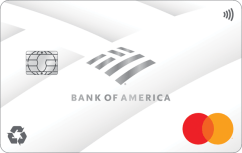
BankAmericard® credit card
Intro APR:0% Intro APR for 21 billing cycles for purchases, and for any balance transfers made in the first 60 days
Ongoing APR:14.99% - 25.99% Variable
Rewards:
N/A
Annual Fee:$0
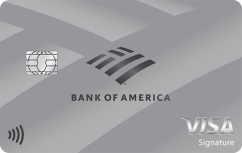
Bank of America® Unlimited Cash Rewards credit card
Intro bonus:
$250
Limited Time Offer! $250 online cash rewards bonus after you make at least $1,000 in purchases in the first 90 days of account opening.
Intro APR:0% Intro APR for 15 billing cycles for purchases, and for any balance transfers made in the first 60 days
Ongoing APR:17.49% - 27.49% Variable
Rewards:
1.5% (cash back)
1.5% cash back on all purchases
Annual Fee:$0
See all our best balance transfer credit cards for 2026.
How to Transfer a Car Loan to a 0% Intro APR Card
Once you've found the right card, here are some steps you can take to complete the transfer process.
1. Submit Your Application
You can typically fill out a credit card application online. The information required may vary by card issuer, but here's a general overview of what you'll need:
- Full name
- Social Security number or individual taxpayer identification number
- Date of birth
- Address
- Gross annual income
- Employment status
- Housing costs
- Phone number
- Email address
2. Read and Agree to the Terms
Before submitting your application, you'll need to read the terms of the cardholder agreement, which includes basic information about balance transfers. If you agree, submit your application.
In many cases, you'll get a response within seconds. If you're approved, you'll find out what your credit limit is, and you can then create an online account.
3. Complete the Balance Transfer
Depending on your card issuer's balance transfer policy, you may have a few options for completing the transfer:
- Request it online. With this option, you can log in to your account and provide your lender's name, the loan number and the balance you want to pay off.
- Request it over the phone. In some cases, you may be required to request a balance transfer over the phone. Again, you'll need the lender's name, loan number and balance amount.
- Write a check. Some card issuers provide you with balance transfer checks, which you can use to pay off your loan directly. Alternatively, you can write the check to yourself, deposit it into your bank account and pay off the balance electronically.
- Request a deposit. In some cases, you may be able to request a direct deposit straight to your bank account, which you can use to pay off your loan.
4. Pay Down the Balance
Now that you've completed the process, work on paying down the balance on your new card. While credit cards give you more flexibility with your payments, make it a priority to stick to your payment schedule to avoid high interest charges.
Learn more: How Does a Balance Transfer Affect Your Credit Score?
Alternatives to a Balance Transfer for a Car Loan
While a balance transfer may be possible for your car loan, there may be other options available with less risk involved and possibly even more savings—especially if you have a large loan balance. Here are some alternatives you can compare:
- Make extra payments. If your goal is to save on interest, making extra payments can help you pay down your loan faster, shaving off interest charges along the way.
- Refinance your loan. If you have decent credit, you may qualify for a lower interest rate and lower payments with an auto refinance loan. This may be especially beneficial if your credit has improved or interest rates have decreased since you initially took out your loan.
- Get a personal loan. Personal loans typically carry higher rates than auto loans. In some cases, however, you may be able to get a lower rate than what you're currently paying.
- Negotiate with your lender. If you're struggling financially and considering a balance transfer for lower payments, it may make more sense to reach out to your lender to ask about hardship programs.
The Bottom Line
In some instances, paying off an auto loan with a balance transfer card may help you save money. However, the potential risks may outweigh the benefits in most cases. To determine the right path for you, carefully research and compare all of your options, and be sure to do the math.
Taking steps to improve your credit can also be helpful by giving you more opportunities to qualify for favorable credit terms. Review your Experian credit report and FICO® Score to get a feel for where you stand and also get insights into how you can increase your score.
What makes a good FICO® Score?
Learn what it takes to achieve a good credit score. Review your FICO® Score for free and see what’s helping and hurting your score.
Get your FICO® ScoreNo credit card required

About the author
Ben Luthi
Ben Luthi has worked in financial planning, banking and auto finance, and writes about all aspects of money. His work has appeared in Time, Success, USA Today, Credit Karma, NerdWallet, Wirecutter and more.
Read more from Ben