
 Reviewed by Peggy Bennett
3 Alternatives to a Balance Transfer
Reviewed by Peggy Bennett
Quick Answer
- If you can’t qualify for a good balance transfer offer, one alternative is to use a personal loan to consolidate debt.
- You could also try a debt-payoff strategy such as the debt avalanche or snowball method.
- If you feel overwhelmed by debt, consider signing up for a debt management plan with a reputable credit counselor.

Transferring your balance from one credit card to another can sometimes be a helpful way to pay off credit card debt. But you might not receive a good balance transfer offer if you don't have good to excellent credit and a high income. If it doesn't seem like a balance transfer will work out, you can try one of these three alternatives.
Why a Balance Transfer Isn't for Everyone
Balance transfer credit cards have low or 0% introductory annual percentage rate (APR) offers for new cardholders. You can move high-interest debts to the card to save on interest, and you can pay down debts faster because your entire payment will now go toward the card's principal balance. However, a balance transfer card might not be a good fit if:
- You have a low credit score. You might not get approved for a balance transfer card if you have a poor credit score. Or, you might get approved with a low credit limit, which can make the balance transfer offer less useful.
- You have a high debt-to-income ratio (DTI). Your income and debt payments can also impact your eligibility for a new credit card and your account's credit limit.
- You don't have a lot of debt. Many cards require you to pay 3% to 5% of the amount you transfer in balance transfer fees. If you have a small balance that you'll pay off soon anyway, you might wind up paying more in fees than you save in interest.
- You tend to overspend. Moving debt off of your credit cards will free up those cards' available credit. But if you use those cards and build up their balances again, you could wind up in more debt overall.
Additionally, some offers are better than others. You can compare balance transfer card offers to see which offer the lowest fees or longest promotional periods, but know that you generally can't transfer balances between cards from the same issuer.
Best balance transfer cards of 2026
Compare balance transfer offers from our partners with 0% APRs and generous introductory periods.
Offers from our partners
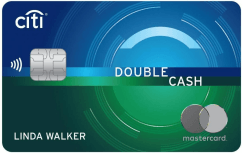
Citi Double Cash® Card
Intro APR:0% for 18 months on Balance Transfers
Ongoing APR:18.24% - 28.49% (Variable)
Rewards:
2% (cash back)
Earn 2% on every purchase with unlimited 1% cash back when you buy, plus an additional 1% as you pay for those purchases. To earn cash back, pay at least the minimum due on time. Plus, earn 5% total cash back on hotel, car rentals and attractions booked with Citi Travel.
Annual Fee:$0
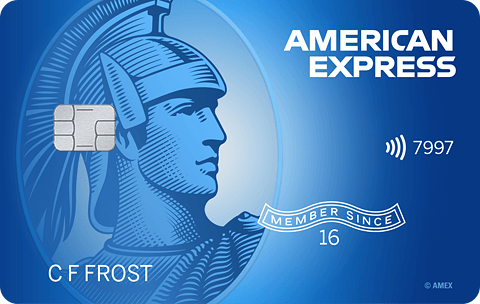
Blue Cash Everyday® Card from American Express
Intro bonus:
As High As $200 Cash Back. Find Out Your Offer.
You may be eligible for as high as $200 cash back after spending $2,000 in purchases on your new Card in the first 6 months. Welcome offers vary and you may not be eligible for an offer. Cash back is received as Reward Dollars, redeemable for statement credit or at Amazon.com checkout. Terms Apply.
Intro APR:0% on Purchases and Balance Transfers for 15 months
Ongoing APR:19.49%-28.49% Variable
Rewards:
1% - 3% (cash back)
Earn 3% cash back at U.S. supermarkets, 3% cash back on U.S. online retail purchases, 3% cash back at U.S. gas stations, on eligible purchases for each category on up to $6,000 per year in purchases (then 1%). Cash back is received in the form of Reward Dollars that can be redeemed as a statement credit and at Amazon.com checkout.
Annual Fee:$0
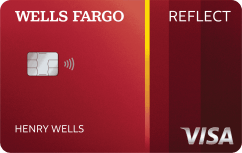
Wells Fargo Reflect® Card
Intro APR:0% intro APR for 21 months from account opening on purchases and qualifying balance transfers
Ongoing APR:17.49%, 23.99%, or 28.24% Variable APR
Rewards:
N/A
Annual Fee:$0
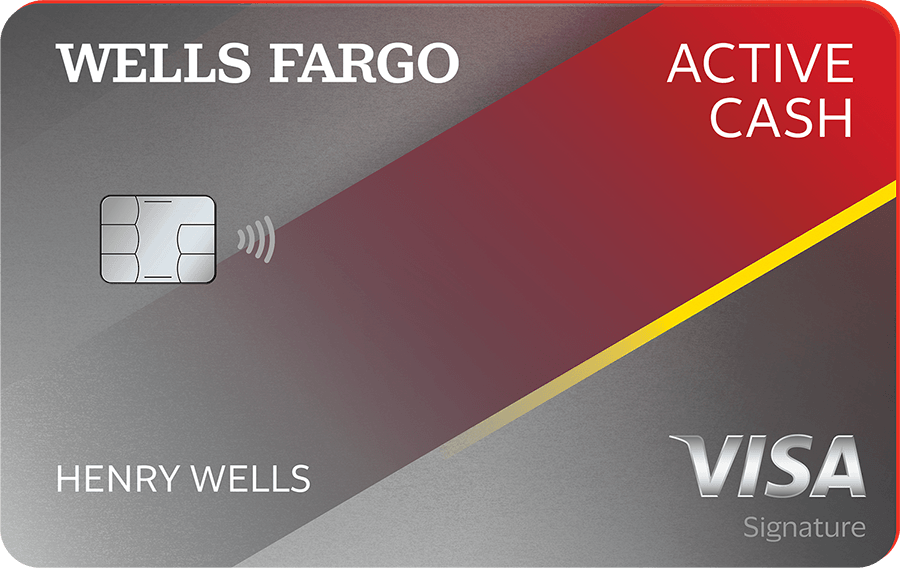
Wells Fargo Active Cash® Card
Intro bonus:
$100
Earn a $100 cash rewards bonus after spending $500 in purchases in the first 3 months.
Intro APR:0% intro APR for 12 months from account opening on purchases and qualifying balance transfers
Ongoing APR:18.49%, 24.49%, or 28.49% Variable APR
Rewards:
2% (Cash Rewards)
Earn unlimited 2% cash rewards on purchases.
Annual Fee:$0
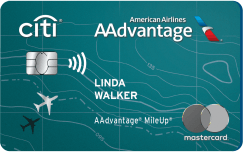
American Airlines AAdvantage® MileUp® Card
Intro APR:0% for 15 months on Balance Transfers
Ongoing APR:19.49% - 29.49% (Variable)
Rewards:
2x (Miles per dollar)
Earn 2 AAdvantage® miles for each $1 spent at grocery stores, including grocery delivery services. Earn 2 AAdvantage® miles for every $1 spent on eligible American Airlines purchases. Save 25% on inflight food and beverage purchases when you use your card on American Airlines flights
Annual Fee:$0
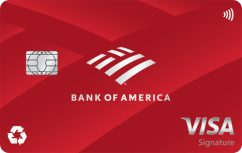
Bank of America® Customized Cash Rewards credit card
Intro bonus:
$200
$200 online cash rewards bonus after you make at least $1,000 in purchases in the first 90 days of account opening
Intro APR:0% Intro APR for 15 billing cycles for purchases, and for any balance transfers made in the first 60 days
Ongoing APR:17.49% - 27.49% Variable
Rewards:
1% - 6% (cash back)
Earn 6% cash back for the first year in the category of your choice. You’ll automatically earn 2% cash back at grocery stores and wholesale clubs, and unlimited 1% cash back on all other purchases. After the first year from account opening, you’ll earn 3% cash back on purchases in your choice category. Earn 6% and 2% cash back on the first $2,500 in combined purchases each quarter in the choice category, and at grocery stores and wholesale clubs, then earn unlimited 1% thereafter. After the 3% first-year bonus offer ends, you will earn 3% and 2% cash back on these purchases up to the quarterly maximum.
Annual Fee:$0
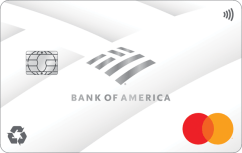
BankAmericard® credit card
Intro APR:0% Intro APR for 21 billing cycles for purchases, and for any balance transfers made in the first 60 days
Ongoing APR:14.99% - 25.99% Variable
Rewards:
N/A
Annual Fee:$0
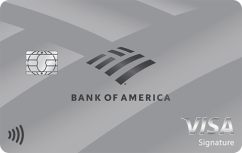
Bank of America® Unlimited Cash Rewards credit card
Intro bonus:
$250
Limited Time Offer! $250 online cash rewards bonus after you make at least $1,000 in purchases in the first 90 days of account opening.
Intro APR:0% Intro APR for 15 billing cycles for purchases, and for any balance transfers made in the first 60 days
Ongoing APR:17.49% - 27.49% Variable
Rewards:
1.5% (cash back)
1.5% cash back on all purchases
Annual Fee:$0
See all our best balance transfer credit cards for 2026.
Balance Transfer Alternatives
There are three popular alternatives if you think a balance transfer isn't the best option right now. You can also combine several strategies—maybe including a balance transfer for some of your debt—if that makes sense for your situation.
1. Personal Loan
You can take out an unsecured personal loan and use the money for almost anything, including paying down debts. These are installment loans, which means you receive the entire loan amount upfront and repay it over the repayment period. Many personal loans also have fixed interest rates, which means the periodic (often monthly) payments will stay the same over the lifetime of the loan.
A personal loan can be a good option if you want a structured approach to consolidating and paying off your debt. It also may be easier to get approved for a large personal loan than a credit card with a high credit limit. However, depending on your creditworthiness, the loan may have a high origination fee and interest rate. Personal loans also don't offer introductory interest-free periods, and you'll want to calculate whether using a personal loan will likely result in savings.
2. Debt Payoff Plan
You could also consider taking a more structured approach to paying off your credit card debt without opening any new accounts. This may be the best option if you likely won't get approved for a new card or loan, or if you're in debt due to overspending rather than covering unexpected expenses.
Two common strategies are the avalanche and snowball debt payoff methods. Start either strategy by making a list of all your debts with their balances, interest rates and payment amounts.
- The avalanche method is when you focus on paying off the debt with the highest interest rate, while making minimum payments on your other accounts. Once you pay it off, focus on the new highest-interest account. The approach can save you money by minimizing how much interest you pay.
- The snowball method is when you focus on the account with the lowest balance first. While you might pay a little more interest than you would with the avalanche method, paying off balances more quickly can be motivating and help you stay on track.
While many people use one of these popular methods, you can also try other approaches. You could even use a hybrid method if that's what will work best for you.
3. Debt Management Plan
You could try reaching out to a nonprofit credit counseling organization and get a consultation with a credit counselor—initial consultations are often free. The counselor can review your income, debts and budget and explain the pros and cons of different options.
Credit counselors can also help you set up a debt management plan (DMP). With a DMP, you pay the agency every month, and the agency distributes the money to your creditors. You'll generally pay off your credit card debts within three to five years, but you also have to agree to certain stipulations, such as refraining from using credit cards while you're enrolled in the DMP.
Agencies can also charge you fees for a DMP, but the plan is more than a hand-holding tool. The credit counselor may be able to negotiate lower interest rates or more affordable payment plans with your card issuers, which could more than offset the DMP fee. They may also get your card issuers to bring past-due accounts current, which can make paying them off easier and help your credit score.
Tips on Avoiding Debt in the Future
Paying off credit card debt is often difficult, even if you use helpful strategies or a balance transfer offer. Avoiding new debt isn't always possible, but here are a few tips to keep in mind:
- Build an emergency fund. Having savings that you can tap into during an emergency can keep you from having to take out a loan or use your credit card. You can keep an emergency fund in a high-yield savings account to earn interest in the interim.
- Track your expenses. Budgets can be great, but they can also be difficult to stick with long term. At a minimum, consider tracking your expenses so you'll have a sense of how much you spend and where your money goes. The insights also might reveal ways to save money and options for quickly cutting back when needed.
- Try to identify spending patterns. Some people spend money as a habit or coping mechanism, which can quickly lead to overspending. Identifying and changing these behaviors can be difficult, but it may also be a necessity for avoiding debt.
- Find an accountability partner. Sharing your desire to get and stay debt free with someone who has a similar goal can help you both succeed. You can look for an accountability partner among your friends or family, or turn to online communities of like-minded people.
Track and Build Good Credit
You might be focused on paying off high-interest debt right now, but sometimes taking out a loan is a smart financial move or a necessity. Having good credit can give you access to more types of accounts and better offers on your loans and credit cards. You can create a free Experian account to check your FICO® ScoreΘ and then monitor your credit report and score. When you're looking to open a new account, Experian CreditMatch™ can also show you offers (including for balance transfer credit cards) based on your unique credit profile.
Best balance transfer cards
Need to consolidate debt and save on interest? See if you qualify for intro offers like 0% intro APR up to 21 months based on your FICO® Score.
See your offers
About the author

Louis DeNicola
Louis DeNicola is freelance personal finance and credit writer who works with Fortune 500 financial services firms, FinTech startups, and non-profits to teach people about money and credit. His clients include BlueVine, Discover, LendingTree, Money Management International, U.S News and Wirecutter.
Read more from Louis