
 Edited by Michelle Tipsword
Should I Complete a Balance Transfer?
Edited by Michelle Tipsword
Quick Answer
You should look into a balance transfer if you have good or excellent credit, you can comfortably pay off the transferred balance during the card’s intro 0% APR period and your savings justify the fees.

Balance transfers aren't for everyone: You'll typically need a good or excellent credit score to qualify, there are limits to the amount you can transfer and you'll pay a fee on each transferred balance. But in the right circumstances, a balance transfer helps you pay off debt interest-free, and simplify your bills in the process.
You may want to make a balance transfer if you can save more on interest than you'd pay in fees and you'll be able to pay off debt within the promotional 0% annual percentage rate (APR) period. Here's how to decide whether to move forward.
How Do Balance Transfers Work?
A balance transfer is when you transfer existing debt to a special balance transfer credit card, typically to save on interest or consolidate debt. You can generally transfer credit card balances and, if the issuer allows it, personal loans and auto loans too. You'll typically have to choose a balance transfer card provided by a different issuer than the ones where you currently have accounts.
Often, balance transfer cards come with an introductory 0% APR period, in which you can pay off transferred balances interest-free if you make the transfer within a certain time period and pay it down before the promotional period ends. You'll also likely be charged a fee of 3% to 5% of each transferred amount that's added to your balance, but there are cards that don't charge fees.
The card issuer will either send payment to your other creditors or provide a check you can use to pay creditors. The transferred amount is added to your balance and you'll pay it off, along with any purchases you make using the card, at your own pace.
You'll make the best use of the card if you pay off all balances before the end of the intro 0% APR period, which often lasts six to 21 months.
Best balance transfer cards of 2026
Compare balance transfer offers from our partners with 0% APRs and generous introductory periods.
Offers from our partners
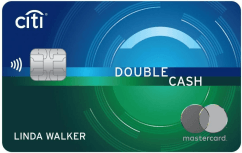
Citi Double Cash® Card
Intro APR:0% for 18 months on Balance Transfers
Ongoing APR:18.24% - 28.49% (Variable)
Rewards:
2% (cash back)
Earn 2% on every purchase with unlimited 1% cash back when you buy, plus an additional 1% as you pay for those purchases. To earn cash back, pay at least the minimum due on time. Plus, earn 5% total cash back on hotel, car rentals and attractions booked with Citi Travel.
Annual Fee:$0
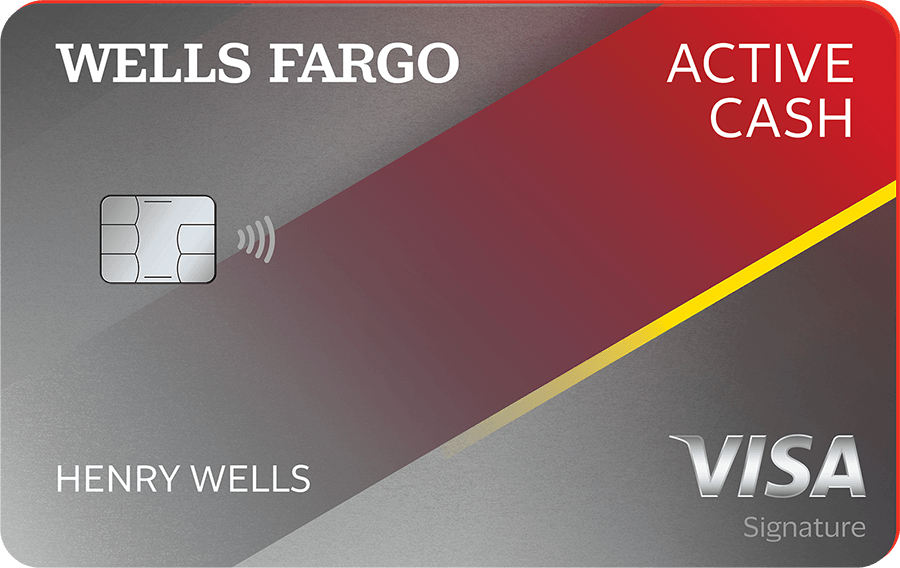
Wells Fargo Active Cash® Card
Intro bonus:
$100
Earn a $100 cash rewards bonus after spending $500 in purchases in the first 3 months.
Intro APR:0% intro APR for 12 months from account opening on purchases and qualifying balance transfers
Ongoing APR:18.49%, 24.49%, or 28.49% Variable APR
Rewards:
2% (Cash Rewards)
Earn unlimited 2% cash rewards on purchases.
Annual Fee:$0
Blue Cash Preferred® Card from American Express
Intro bonus:
As High As $300 Cash Back. Find Out Your Offer.
You may be eligible for as high as $300 cash back after spending $3,000 in purchases on your new Card in the first 6 months. Welcome offers vary and you may not be eligible for an offer. Cash back is received as Reward Dollars, redeemable for statement credit or at Amazon.com checkout. Terms Apply.
Intro APR:0% on Purchases and Balance Transfers for 12 months
Ongoing APR:19.49%-28.49% Variable
Rewards:
1% - 6% (cash back)
Earn 6% cash back at U.S. supermarkets on up to $6,000 per year in eligible purchases (then 1%), 6% cash back on select U.S. streaming subscriptions, 3% cash back at eligible U.S. gas stations and on transit (including taxis/rideshare, parking, tolls, trains, buses and more) purchases and 1% cash back on other purchases. Cash Back is received in the form of Reward Dollars that can be redeemed as a statement credit and at Amazon.com checkout.
Annual Fee:$0 intro annual fee for the first year, then $95.
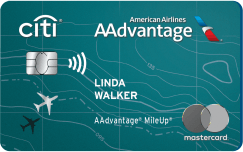
American Airlines AAdvantage® MileUp® Card
Intro APR:0% for 15 months on Balance Transfers
Ongoing APR:19.49% - 29.49% (Variable)
Rewards:
2x (Miles per dollar)
Earn 2 AAdvantage® miles for each $1 spent at grocery stores, including grocery delivery services. Earn 2 AAdvantage® miles for every $1 spent on eligible American Airlines purchases. Save 25% on inflight food and beverage purchases when you use your card on American Airlines flights
Annual Fee:$0

Ollo Everyday Rewards
Ongoing APR:23.99%-29.99% Variable
Rewards:
1% - 3% (cash back)
Unlimited 3% cash back on all gas stations and EV charging stations, grocery store and drugstore purchases. Unlimited 1% cash back on all other purchases.
Annual Fee:$0

Bank of America® Customized Cash Rewards credit card
Intro bonus:
$200
$200 online cash rewards bonus after you make at least $1,000 in purchases in the first 90 days of account opening
Intro APR:0% Intro APR for 15 billing cycles for purchases, and for any balance transfers made in the first 60 days
Ongoing APR:17.49% - 27.49% Variable
Rewards:
1% - 6% (cash back)
Earn 6% cash back for the first year in the category of your choice. You’ll automatically earn 2% cash back at grocery stores and wholesale clubs, and unlimited 1% cash back on all other purchases. After the first year from account opening, you’ll earn 3% cash back on purchases in your choice category. Earn 6% and 2% cash back on the first $2,500 in combined purchases each quarter in the choice category, and at grocery stores and wholesale clubs, then earn unlimited 1% thereafter. After the 3% first-year bonus offer ends, you will earn 3% and 2% cash back on these purchases up to the quarterly maximum.
Annual Fee:$0
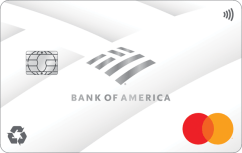
BankAmericard® credit card
Intro APR:0% Intro APR for 21 billing cycles for purchases, and for any balance transfers made in the first 60 days
Ongoing APR:14.99% - 25.99% Variable
Rewards:
N/A
Annual Fee:$0
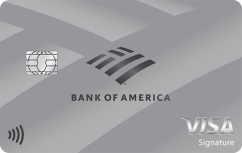
Bank of America® Unlimited Cash Rewards credit card
Intro bonus:
$250
Limited Time Offer! $250 online cash rewards bonus after you make at least $1,000 in purchases in the first 90 days of account opening.
Intro APR:0% Intro APR for 15 billing cycles for purchases, and for any balance transfers made in the first 60 days
Ongoing APR:17.49% - 27.49% Variable
Rewards:
1.5% (cash back)
1.5% cash back on all purchases
Annual Fee:$0
See all our best balance transfer credit cards for 2026.
Pros and Cons of Balance Transfers
Consider these pros and cons before applying for a balance transfer card:
Pros
-
Fewer bills to manage: You'll have fewer bills and payments to make, since you have the option to combine multiple balances into one balance that lives on a single card. This can make repaying your debt simpler and less stressful.
-
Could save you money: Moving debt to a card that offers a promotional 0% APR on balance transfers lets you pay down the balance without accruing interest.
-
Might come with a promotional rate on purchases: Some balance transfer cards also give you a 0% intro APR on purchases, which can save you money if you're using the card regularly. But be wary of adding to your debt, if the purpose of the balance transfer is to pay it off.
-
Could improve your credit: If you've got cards that are nearing their credit limits, you're likely seeing some of the negative impacts of high per-card credit utilization rates. By moving those balances to another card and adding more credit to your overall calculations, you could see a small improvement due to a lower credit utilization rate for multiple cards.
Cons
-
May require good credit: If you're trying to get a new balance transfer card, your eligibility and credit limit depend on your creditworthiness. Your card may have a balance transfer limit that's lower than your credit limit, and you won't know either limit until after you get the card. A good credit score and income will make qualifying and getting a higher limit easier.
-
Typically comes with a fee: There's often a balance transfer fee, which is commonly 3% or 5% of the amount you transfer.
-
Potential limitations: You may have to complete your balance transfers within a certain period to qualify for an intro APR, and the rate only lasts for a limited promotional period. You also generally can't transfer balances between cards from the same issuer.
-
Could lead to more debt: Paying down credit card balances increases your available credit, and you may be tempted to use those cards you just paid off again. If you do, you'll likely wind up with more debt overall and could be back in the position you were when you decided to do a balance transfer.
-
Lower limit than expected: The limit you get approved for on a new balance transfer card may not be all that you need to consolidate your balances. This could leave you still managing multiple credit card payments with different due dates, interest rates and minimum payments, and you may not realize the full savings of a balance transfer.
Is a Balance Transfer a Good Idea?
If you follow certain guidelines, a balance transfer can be a wise financial move. Here are some scenarios when it's worth pursuing.
When a Balance Transfer Could Be a Good Idea
- You have a concrete payoff plan. Balance transfer cards are ideal when you can tap the 0% intro period and pay down all, or most, of your debt in that time. Paying off a $2,000 balance at 0% APR would save you $1,248 in interest compared with paying the current average credit card interest rate of 21.98%. That more than justifies the potential 5% balance transfer fee of $100 on a $2,000 balance.
- You have good credit. You're best positioned to qualify for a balance transfer card with a solid 0% APR promotional period if you have a credit score of at least 670.
- You can find a low-fee card. It may be worthwhile to move forward with a balance transfer card even when it charges balance transfer fees that are on the high side. But you'll save even more money if you can qualify for a card with no balance transfer fees, or one that charges no fees but has an intro APR of, for example, 0.99% instead of 0%. These options are most often available at credit unions.
- You're organized and can meet the deadlines. To make a balance transfer work for you, you'll need to make the transfer within a certain time after opening the card—such as 60 days—and then pay off the balance within the promotional period. Make sure you're willing to stick within those guidelines so you save the most money possible.
When a Balance Transfer May Not Be a Good Idea
On the other hand, a balance transfer might not be a strong choice in these circumstances:
- You can pay off your debt quickly. If you have the capability to pay off your debt in just a few months after making the transfer, the effort and the fees may not be worth it.
- You want to avoid the credit hit. When you apply for a balance transfer card, your credit score may drop briefly due to a hard credit inquiry and a shorter average account age. That isn't a huge problem, since paying off your debt and using less of your available credit can improve your score over time. But if you're applying for a mortgage soon or otherwise want your credit to be as strong as possible, avoid applying for new credit accounts.
- You won't pay off the majority of your balance during the promotional period. When the intro period is over, your APR will jump from 0% to, potentially, close to 30%, depending on your credit score and the card. If you still have a lot of debt on the card when the promotional period ends, the balance transfer will not have netted you the savings you planned.
How to Do a Balance Transfer
To make a balance transfer wisely, first create a plan. Figure out which debts you want to transfer, how much you're likely to save and compare the savings to the fees you'll pay. You can also figure out how much you'll need to pay each month to pay off the balance before the promotional period ends, and set that as your payment goal.
Once you've got that settled, here's how a balance transfer generally works:
- Request a balance transfer. You request a balance transfer with the card issuer when opening a new credit card, or with an existing card if your issuer offers it. You'll need to know how much you want to transfer and the original account's information, such as the creditor's name and your account number.
- The credit card issuer sends payment. After receiving your request, your new card issuer sends a payment for the transferred amount to the old card issuer. You also may be able to have your approved amount transferred to your bank account and then use the funds to pay down other types of debt, or use a check that's tied to your credit card to pay creditors directly.
- Wait for the transfer to be completed. It can take a few weeks for your card issuer to approve and send the payment. Continue making payments on your other accounts to ensure you don't accidentally miss a payment. Also, verify that your balances went down to $0 as intended after the transfer is complete.
- Pay down your new balance. You'll now need to pay down the new balance on your credit card. Purchases may accrue interest if they aren't part of a promotional rate, so avoid using the card before paying off the transferred balance.
- Stick to the plan. Do your best to stick to your payment goal and pay off as much of the balance as you can before the promotional rate expires.
Alternatives to a Balance Transfer
Try these alternatives if you decide not to go with a balance transfer:
- Personal loan: You may decide you'd rather consolidate debt with a personal loan that has fixed payments, which could also be easier to qualify for than a credit card if you need to borrow a lot. But check the origination fee and the interest rate on the loan to make sure you'll save enough money to justify them.
- Debt payoff plan: Another option is paying off debt on your own timeline, with your own structure. You can choose either the debt snowball or avalanche approaches, or find an accountability buddy and work with a friend to get out of debt by a certain date.
- Debt management plan: Finally, you can set up a free consultation with a nonprofit credit counselor to go over debt payoff strategies. The credit counselor may offer the option of a debt management plan, which is a way of consolidating debt and potentially getting lower interest rates in exchange for paying fees to the credit counseling agency for the service.
Learn more: Alternatives to a Balance Transfer
Frequently Asked Questions
The Bottom Line
It's worth looking into a balance transfer when you have the credit to qualify, you've got a payoff plan in place and you're able to work within the card's guidelines and limitations in order to get debt-free. If you decide a balance transfer card is a good option, be sure to find the right card for your needs, make all your payments on time and work to pay off your debt as quickly as possible.
Best balance transfer cards
Need to consolidate debt and save on interest? See if you qualify for intro offers like 0% intro APR up to 21 months based on your FICO® Score.
See your offers
About the author

Brianna McGurran
Brianna McGurran is a freelance journalist and writing teacher based in Brooklyn, New York. Most recently, she was a staff writer and spokesperson at the personal finance website NerdWallet, where she wrote "Ask Brianna," a financial advice column syndicated by the Associated Press.
Read more from Brianna