
 Reviewed by Karen Axelton
How to Avoid Balance Transfer Fees on Your Credit Card
Reviewed by Karen Axelton
Quick Answer
- To avoid balance transfer fees, find a credit card that doesn’t charge these fees.
- If you can’t find one, choose the best balance transfer card by comparing fees, promotional terms and standard interest rates to figure out how much you can save.
- Balance transfer fees may be worth it if the potential savings in interest outweighs the fees.

Are you struggling to pay off high credit card balances? A balance transfer credit card offering a low or 0% introductory annual percentage rate (APR) on transferred balances could make debt easier to pay off. However, you'll typically pay a balance transfer fee, usually 3% to 5% of the amount transferred.
You can avoid a balance transfer fee by choosing a card that doesn't charge this type of fee. These cards can be hard to find; the next best thing is to look for a card with a low balance transfer fee.
How Balance Transfer Fees Work
Balance transfer fees typically range from 3% to 5% of the amount transferred. For example, if you transferred a $5,000 balance to a card with a 3% balance transfer fee, you'd pay $150. If the card had a 5% fee, you'd pay $250. Some cards charge one balance transfer fee for transfers completed by a certain date after opening an account and a different fee for transfers completed later.
In addition to credit card debt, you can sometimes use a balance transfer card to pay off loans, such as personal loans or home equity lines of credit (HELOCs). When you request a balance transfer, the card issuer may pay the lender of the transferred debt directly or send you a check so you can pay it off.
The amount transferred, plus any balance transfer fee, becomes the balance on your new card. If you transferred $2,000 to a card with a 5% balance transfer fee, for example, the initial balance on that card would be $2,100.
Best balance transfer cards of 2026
Compare balance transfer offers from our partners with 0% APRs and generous introductory periods.
Offers from our partners
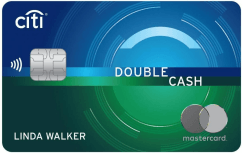
Citi Double Cash® Card
Intro APR:0% for 18 months on Balance Transfers
Ongoing APR:18.24% - 28.49% (Variable)
Rewards:
2% (cash back)
Earn 2% on every purchase with unlimited 1% cash back when you buy, plus an additional 1% as you pay for those purchases. To earn cash back, pay at least the minimum due on time. Plus, earn 5% total cash back on hotel, car rentals and attractions booked with Citi Travel.
Annual Fee:$0
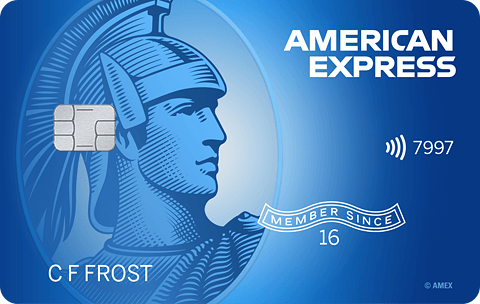
Blue Cash Everyday® Card from American Express
Intro bonus:
As High As $200 Cash Back. Find Out Your Offer.
You may be eligible for as high as $200 cash back after spending $2,000 in purchases on your new Card in the first 6 months. Welcome offers vary and you may not be eligible for an offer. Cash back is received as Reward Dollars, redeemable for statement credit or at Amazon.com checkout. Terms Apply.
Intro APR:0% on Purchases and Balance Transfers for 15 months
Ongoing APR:19.49%-28.49% Variable
Rewards:
1% - 3% (cash back)
Earn 3% cash back at U.S. supermarkets, 3% cash back on U.S. online retail purchases, 3% cash back at U.S. gas stations, on eligible purchases for each category on up to $6,000 per year in purchases (then 1%). Cash back is received in the form of Reward Dollars that can be redeemed as a statement credit and at Amazon.com checkout.
Annual Fee:$0
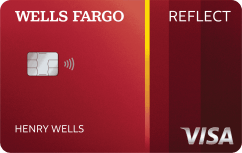
Wells Fargo Reflect® Card
Intro APR:0% intro APR for 21 months from account opening on purchases and qualifying balance transfers
Ongoing APR:17.49%, 23.99%, or 28.24% Variable APR
Rewards:
N/A
Annual Fee:$0
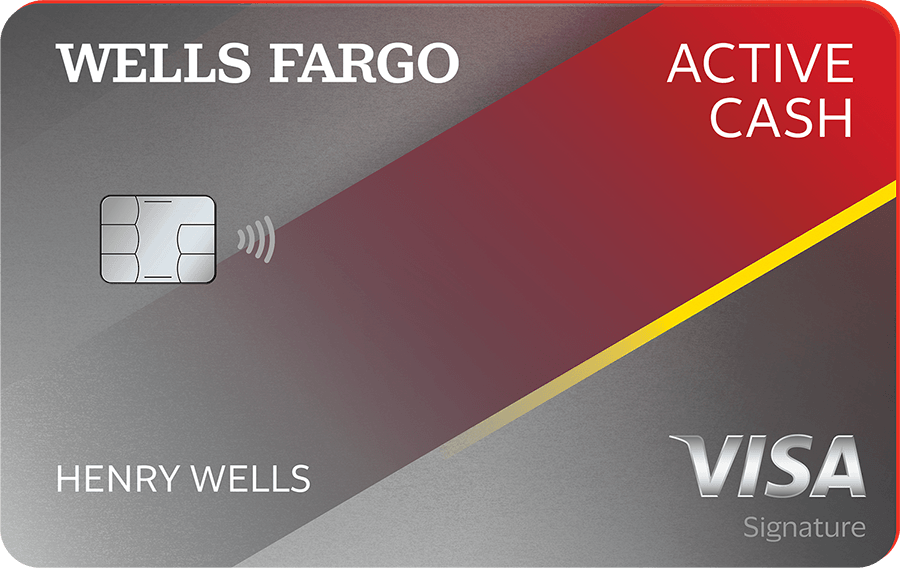
Wells Fargo Active Cash® Card
Intro bonus:
$100
Earn a $100 cash rewards bonus after spending $500 in purchases in the first 3 months.
Intro APR:0% intro APR for 12 months from account opening on purchases and qualifying balance transfers
Ongoing APR:18.49%, 24.49%, or 28.49% Variable APR
Rewards:
2% (Cash Rewards)
Earn unlimited 2% cash rewards on purchases.
Annual Fee:$0
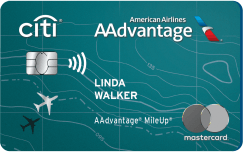
American Airlines AAdvantage® MileUp® Card
Intro APR:0% for 15 months on Balance Transfers
Ongoing APR:19.49% - 29.49% (Variable)
Rewards:
2x (Miles per dollar)
Earn 2 AAdvantage® miles for each $1 spent at grocery stores, including grocery delivery services. Earn 2 AAdvantage® miles for every $1 spent on eligible American Airlines purchases. Save 25% on inflight food and beverage purchases when you use your card on American Airlines flights
Annual Fee:$0
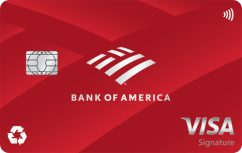
Bank of America® Customized Cash Rewards credit card
Intro bonus:
$200
$200 online cash rewards bonus after you make at least $1,000 in purchases in the first 90 days of account opening
Intro APR:0% Intro APR for 15 billing cycles for purchases, and for any balance transfers made in the first 60 days
Ongoing APR:17.49% - 27.49% Variable
Rewards:
1% - 6% (cash back)
Earn 6% cash back for the first year in the category of your choice. You’ll automatically earn 2% cash back at grocery stores and wholesale clubs, and unlimited 1% cash back on all other purchases. After the first year from account opening, you’ll earn 3% cash back on purchases in your choice category. Earn 6% and 2% cash back on the first $2,500 in combined purchases each quarter in the choice category, and at grocery stores and wholesale clubs, then earn unlimited 1% thereafter. After the 3% first-year bonus offer ends, you will earn 3% and 2% cash back on these purchases up to the quarterly maximum.
Annual Fee:$0
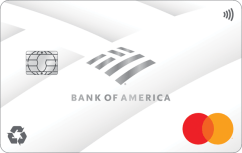
BankAmericard® credit card
Intro APR:0% Intro APR for 21 billing cycles for purchases, and for any balance transfers made in the first 60 days
Ongoing APR:14.99% - 25.99% Variable
Rewards:
N/A
Annual Fee:$0
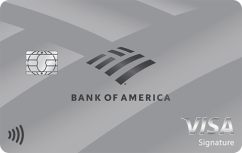
Bank of America® Unlimited Cash Rewards credit card
Intro bonus:
$250
Limited Time Offer! $250 online cash rewards bonus after you make at least $1,000 in purchases in the first 90 days of account opening.
Intro APR:0% Intro APR for 15 billing cycles for purchases, and for any balance transfers made in the first 60 days
Ongoing APR:17.49% - 27.49% Variable
Rewards:
1.5% (cash back)
1.5% cash back on all purchases
Annual Fee:$0
See all our best balance transfer credit cards for 2026.
Are Balance Transfer Fees Worth It?
A balance transfer fee can be worth it if the interest you can save is worth the balance transfer fee. For example, suppose you get a balance transfer card offering a 0% introductory APR for 21 months with a 5% balance transfer fee. Transfer a $5,000 balance to the card, and you'd pay $250 in balance transfer fees.
The total balance on your new card would be $5,250. Pay $250 per month toward the card, and you'd pay off the balance in 21 payments without incurring any additional interest.
What if you don't do a balance transfer, but continue paying $250 per month toward the $5,000 balance on your original credit card? Assuming that card's APR is 22.15% (the average as of May 2026, according to the Federal Reserve), you'd spend 26 months and $1,298 in interest paying off the balance. Choosing the balance transfer card would save you $1,048, even after subtracting the $250 balance transfer fee.
To save that much on interest, of course, you must pay off your transferred balance before the promotional period ends. At that point, any remaining balance accrues interest at your new card's standard APR. This could reduce or even cancel out the potential savings from the balance transfer.
Before choosing a balance transfer card, consider its other costs and benefits, such as annual fees or rewards. Depending on how much you plan to transfer, a card with a $99 annual fee and a 3% balance transfer fee could cost more than a card with a 3% balance transfer fee but no annual fee.
Learn more: Alternatives to a Balance Transfer
How to Avoid Balance Transfer Fees
The only way to avoid a balance transfer fee is to choose a card that doesn't charge one. You can shop around and look for a balance transfer card with no fee, but they tend to be few and far between. (Sometimes your existing card issuer will give you a balance transfer offer that doesn't involve a balance transfer fee; however, these cards rarely feature a 0% introductory APR.)
If you can't find a card without a balance transfer fee, compare various cards' balance transfer fees, as well as the following factors:
- Other fees: Annual fees, late fees or foreign transaction fees can add up if you travel a lot or occasionally forget to pay your bills on time.
- Length of the low or 0% introductory APR: Longer promotional periods can make it easier to pay off a large balance before the introductory APR ends.
- The standard APR: What will your APR be after the promotional period ends? If you plan to keep using the card—or if you can't pay off your balance within the introductory period—a lower APR will save money on interest.
- Time limits on balance transfers: Some cards require transferring your balance within a very short time, such as within 60 days of opening an account, to qualify for the low APR. Others give you several months, which offers more flexibility.
- Low or 0% introductory APRs on purchases: Some balance transfer cards offer promotional APRs on purchases as well as balance transfers.
- Rewards: Rewards shouldn't be your primary focus when consolidating debt with a balance transfer card. However, if the other features of two cards are equal, consider choosing the one with better perks.
Best Practices for Completing a Balance Transfer
You've chosen a balance transfer card and been approved. To make a balance transfer, follow these steps.
- Know both the introductory APR and the ongoing APR, which any remaining or new balance will incur after the promotional period ends.
- Check to see how much time you have to complete the balance transfer. It may take several weeks for a transfer to complete, so if there's a short window of time (such as 45 days) to get the promotional APR, you'll need to act fast.
- List the balance, APR, creditor and account number for each debt you want to transfer. Add up the balances.
- Find out what your credit limit and balance transfer limits are, keeping in mind that any balance transfer fee will be added to your total. Some card issuers let you transfer a balance up to your credit limit; others restrict you to smaller transfers based on their policies or your creditworthiness. If your limit won't allow transferring all your debt, transfer the balances with the highest APRs.
- Request a balance transfer from the new card issuer. Be ready to provide information about the debts you're transferring, such as your account number, your outstanding balance and the name of the creditor.
- Wait for the new card issuer to pay off the debt. You may get a check or deposit to your bank account that you can use to pay off your other creditors, or the card issuer may pay them directly and move the debt to your balance transfer card.
- Make sure your transfer is completed. Keep making payments on the debts you transferred until you're sure the transfer is complete and have confirmed that your old cards or loans have zero balances. Even if a transfer is in process, a late payment on your old accounts will appear on your credit report and could negatively affect your credit score.
- Understand the card's terms. Check the details of your new cardholder agreement. For example, will a late payment cost you your introductory APR or cause an even higher penalty APR to kick in?
- Begin paying off your new balance. Divide your new balance by the number of months or billing cycles in the promotional period. Pay that amount each month to pay off your balance before your 0% introductory APR ends.
The Bottom Line
Getting approved for a balance transfer card typically requires good or excellent credit. If you're not sure where your credit stands, you can get your credit report and FICO® ScoreΘ for free from Experian. You'll also get insights into the best ways to improve your score.
If your credit score needs some improvement before you apply for a balance transfer card, consider signing up for Experian Boost®ø. This free feature adds eligible on-time utility, cellphone, streaming service, insurance and rent payments to your Experian credit report, which could quickly increase your credit scores.
Best balance transfer cards
Need to consolidate debt and save on interest? See if you qualify for intro offers like 0% intro APR up to 21 months based on your FICO® Score.
See your offers
About the author
Karen Axelton
Karen Axelton is Experian’s in-house senior personal finance writer. She has over 20 years of experience as a journalist and has written or ghostwritten content for a variety of financial services companies.
Read more from Karen