
 Edited by Michelle Tipsword
How Long Do Late Payments Stay on a Credit Report?
Edited by Michelle Tipsword
Quick Answer
Late payments can stay on your credit reports for up to seven years, but the impact on your scores can depend on the circumstances and the rest of your credit report.

Late payments can stay on a credit report for up to seven years. If your account is still open when the seven years are up, only that late payment will be removed. When you close an account that's current or paid off, the account can stay on your credit report for up to 10 years. However, the late payment will still be removed from your credit history seven years after it was first reported.
How Do Late Payments Impact Your Credit Scores?
Late payments can have a negative impact on your credit scores, but the exact impact will depend on what else is in your credit report and your current scores.
For example, if you've fallen behind on multiple payments recently, one additional late payment might have a small negative impact. However, if you have a good credit score and this is your first late payment, the impact might be greater.
The impact on your credit scores can also depend on what happens after you miss a payment.
Creditors don't report late payments to the credit bureaus until an account is at least 30 days late, so missing a payment by a day or a couple of weeks won't hurt your credit scores if you can bring the account current quickly. The impact of late payments can also diminish as time goes on.
However, leaving a bill unpaid can increase the damage as the late payment becomes 60 days, 90 days or further past due.
| How Late Payments Affect Credit Scores | |
|---|---|
| One day late | You won't see an immediate impact on your credit scores, but you might be charged a late payment fee and lose account benefits. |
| 30 days late | The late payment can be reported to the credit bureaus and may hurt your credit scores. |
| 60 days late | Creditors will report how late your payment is if you don't bring the account current. |
| 90 days late | You might see larger score drops as your payment falls further past due. |
| Past 90 days late | Your creditor may continue reporting the late payment status until it charges off the debt and sends or sells the account to collections. |
Learn more: When Do Late Payments Get Reported?
How Long Do Late Payments Stay on My Credit Report?
Late payments stay on your credit reports for up to seven years after the late payment was first reported.
If you miss several payments in a row, the first late payment in the series sets the original delinquency date for that series. That date can be important if your account is closed when it's past due, and it won't change even if the creditor sends the account to collections.
Although seven years is the maximum amount of time a late payment will remain on your credit report, the specifics can vary depending on the scenario.
- If the account is open: The late payment falls off after seven years, and the rest of the account stays the same. The account can stay on your credit report indefinitely as long as it's still open.
- If the account was paid off when it was closed: The late payment falls off after seven years, and the rest of your account stays the same. The rest of the account falls off your credit report 10 years after it's closed.
- If the account was past due when it was closed: The entire account falls off your credit report seven years after the original delinquency date of the series of late payments that led to the closure.
The third scenario is the most complex, so here's an example of how it might play out.
Say you missed several credit card payments and the card issuer closed your account. If the first late payment was in June 2020, that's the original delinquency date for the series. The entire account will be removed from your credit reports by July 2027.
If the account was sent to collections, the collection account should also be removed by July 2027.
Learn more: How to Avoid Late Payments
How to Improve Your Credit
Although you may need to wait years for late payments to fall off your credit reports, there are many things you can do to improve your credit scores in the meantime. Here are a few steps to consider.
- Bring past-due accounts current. If you have any past-due accounts on your report, bring them current as soon as possible. Although paying off the past-due balance won't remove the late payments from your credit history, having fewer past-due accounts can help your credit score.
- Pay down credit card balances. Your credit utilization ratio can be an important factor in your credit scores. If you regularly have a high balance, even if you pay the bill in full, pay down the balance or make early payments. Having a very low utilization rate, ideally in the single digits, can be best for your scores.
- Open credit-builder accounts or become an authorized user. Adding new credit accounts to your credit reports can help your credit scores if you're making on-time payments. A new credit card or credit-builder loan could be options if you have a low score. You could also ask a loved one to add you as an authorized user on their credit card. If they manage their account responsibly, your credit could benefit.
- Add on-time payments from everyday bills to your credit report. Experian Boost®ø is a free feature for Experian members that could help improve your credit scores by adding household bills to your Experian credit file. You can use it to add eligible payments for phone, utilities, insurance, rent, telecom and streaming services.
Instantly raise your credit scoresø
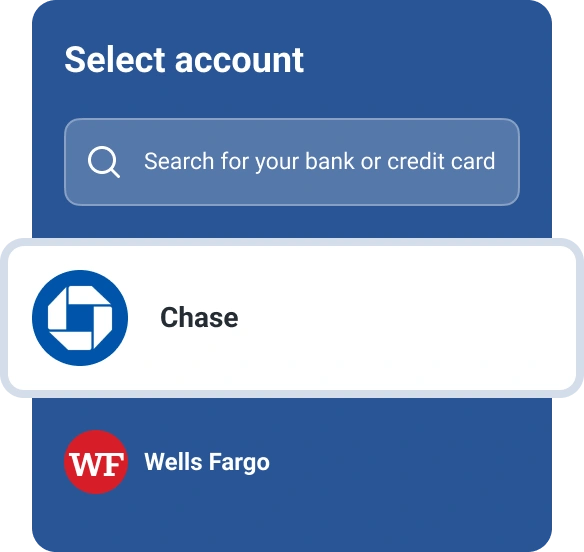
Add any bank accounts you use to pay your bills. Your information remains private.
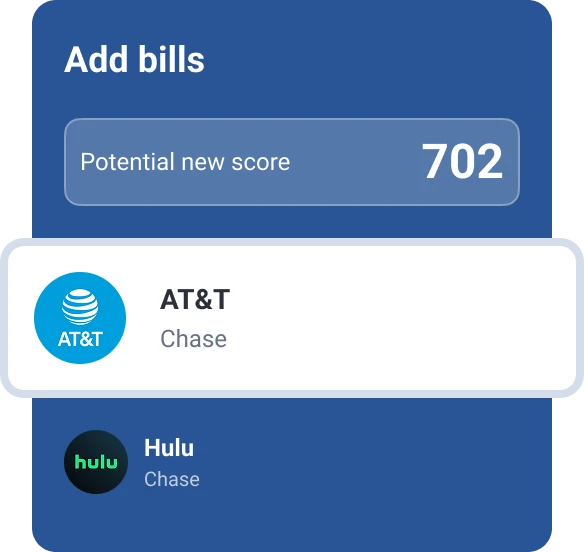
We’ll detect bills with on-time payments, and you can add them to your Experian credit file.
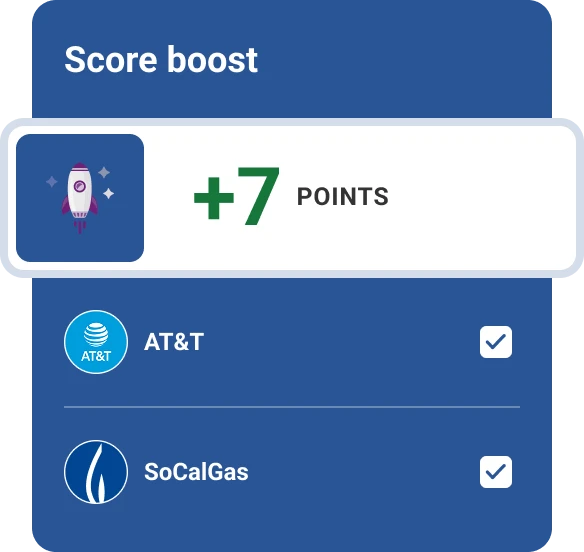
You’ll find out right away if your credit scores increased and by how many points.
How to Avoid Late Payments
There are a few things that might help you avoid missing your bill's due date and getting a late payment in your credit history.
- Sign up for alerts from your creditors. Some organizations will send you alerts via text, email or push notifications. You may also be able to customize the alerts you receive to notify you a set number of days before your bill is due, when a payment is received and when it posts to your account.
- Set up automatic payments. You can set up automatic payments for the minimum payment amount to avoid accidentally missing a payment. But autopay usually pulls money directly from your linked bank account, so you need to make sure you have enough money to avoid overdrawing your account.
- Review and prioritize payments. If you're juggling bills and due dates, make sure you know exactly which creditors will offer you a grace period or waive late payment fees. In some cases, you may be able to pay a bill a few days late without incurring additional fees or interest. And as long as you pay the bill within 30 days of the due date, there won't be any negative impact on your credit.
As a last resort, contact your creditors if you know you won't be able to pay the bill in full and on time. Depending on the circumstances, you might qualify for a hardship program that lowers or temporarily pauses your payments. You can also look for ways to get help with utilities, food, medical or other costs to make room in your budget for inflexible bills.
Monitor Your Credit and Get Personalized Tips
It can take a long time for your credit to fully recover from a late payment, but it will eventually happen. In the meantime, you can use Experian's free credit monitoring tool to track your progress. You'll also find out what's helping and hurting your score the most, and get personalized tips for improving your credit over time.
Instantly raise your FICO® Score for free
Use Experian Boost® to get credit for the bills you already pay like utilities, mobile phone, video streaming services and now rent.
No credit card required

About the author

Louis DeNicola
Louis DeNicola is freelance personal finance and credit writer who works with Fortune 500 financial services firms, FinTech startups, and non-profits to teach people about money and credit. His clients include BlueVine, Discover, LendingTree, Money Management International, U.S News and Wirecutter.
Read more from Louis