Can I Still Use My Credit Card After Debt Consolidation?
Quick Answer
You can typically still use your credit card after debt consolidation if it’s still open, in good standing and has available credit.

Consolidating credit card debt can be an effective way to relieve the stress of high-interest balances by combining multiple payments into one. However, consolidation doesn't lock your credit cards or prevent you from taking on new debt. You can still use your credit card after debt consolidation, but doing so can impact your debt repayment progress and potentially plunge you deeper into debt. Here's what to know about using a credit card after debt consolidation and what to beware of before doing so.
Can I Still Use My Credit Card After Debt Consolidation?
You can typically still use your credit card after debt consolidation as long as the account remains open, has available credit and is in good standing. When you consolidate credit card debt, you're paying off your existing balances using another financial product, such as a:
- Balance transfer credit card, which moves your existing balances to a new card, often with a 0% introductory annual percentage rate (APR) period.
- Debt consolidation loan, which pays off your credit cards and replaces them with a single fixed monthly loan payment.
When you reduce or completely pay off your credit card balance, the card could be used to cover new purchases. This can help if you need access to credit, but it can also make it easier to fall back into old habits and take on too much debt.
Best balance transfer cards of 2026
Compare balance transfer offers from our partners with 0% APRs and generous introductory periods.
Offers from our partners
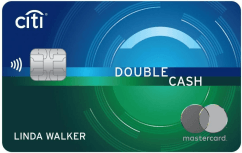
Citi Double Cash® Card
Intro APR:0% for 18 months on Balance Transfers
Ongoing APR:18.24% - 28.49% (Variable)
Rewards:
2% (cash back)
Earn 2% on every purchase with unlimited 1% cash back when you buy, plus an additional 1% as you pay for those purchases. To earn cash back, pay at least the minimum due on time. Plus, earn 5% total cash back on hotel, car rentals and attractions booked with Citi Travel.
Annual Fee:$0
Blue Cash Everyday® Card from American Express
Intro bonus:
As High As $200 Cash Back. Find Out Your Offer.
You may be eligible for as high as $200 cash back after spending $2,000 in purchases on your new Card in the first 6 months. Welcome offers vary and you may not be eligible for an offer. Cash back is received as Reward Dollars, redeemable for statement credit or at Amazon.com checkout. Terms Apply.
Intro APR:0% on Purchases and Balance Transfers for 15 months
Ongoing APR:19.49%-28.49% Variable
Rewards:
1% - 3% (cash back)
Earn 3% cash back at U.S. supermarkets, 3% cash back on U.S. online retail purchases, 3% cash back at U.S. gas stations, on eligible purchases for each category on up to $6,000 per year in purchases (then 1%). Cash back is received in the form of Reward Dollars that can be redeemed as a statement credit and at Amazon.com checkout.
Annual Fee:$0
Wells Fargo Reflect® Card
Intro APR:0% intro APR for 21 months from account opening on purchases and qualifying balance transfers
Ongoing APR:17.49%, 23.99%, or 28.24% Variable APR
Rewards:
N/A
Annual Fee:$0
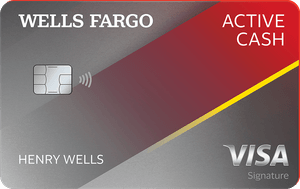
Wells Fargo Active Cash® Card
Intro bonus:
$100
Earn a $100 cash rewards bonus after spending $500 in purchases in the first 3 months.
Intro APR:0% intro APR for 12 months from account opening on purchases and qualifying balance transfers
Ongoing APR:18.49%, 24.49%, or 28.49% Variable APR
Rewards:
2% (Cash Rewards)
Earn unlimited 2% cash rewards on purchases.
Annual Fee:$0
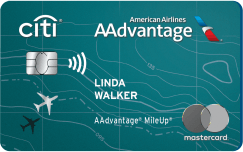
American Airlines AAdvantage® MileUp® Card
Intro APR:0% for 15 months on Balance Transfers
Ongoing APR:19.49% - 29.49% (Variable)
Rewards:
2x (Miles per dollar)
Earn 2 AAdvantage® miles for each $1 spent at grocery stores, including grocery delivery services. Earn 2 AAdvantage® miles for every $1 spent on eligible American Airlines purchases. Save 25% on inflight food and beverage purchases when you use your card on American Airlines flights
Annual Fee:$0
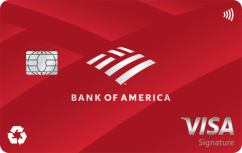
Bank of America® Customized Cash Rewards credit card
Intro bonus:
$200
$200 online cash rewards bonus after you make at least $1,000 in purchases in the first 90 days of account opening
Intro APR:0% Intro APR for 15 billing cycles for purchases, and for any balance transfers made in the first 60 days
Ongoing APR:17.49% - 27.49% Variable
Rewards:
1% - 6% (cash back)
Earn 6% cash back for the first year in the category of your choice. You’ll automatically earn 2% cash back at grocery stores and wholesale clubs, and unlimited 1% cash back on all other purchases. After the first year from account opening, you’ll earn 3% cash back on purchases in your choice category. Earn 6% and 2% cash back on the first $2,500 in combined purchases each quarter in the choice category, and at grocery stores and wholesale clubs, then earn unlimited 1% thereafter. After the 3% first-year bonus offer ends, you will earn 3% and 2% cash back on these purchases up to the quarterly maximum.
Annual Fee:$0
BankAmericard® credit card
Intro APR:0% Intro APR for 21 billing cycles for purchases, and for any balance transfers made in the first 60 days
Ongoing APR:14.99% - 25.99% Variable
Rewards:
N/A
Annual Fee:$0
Bank of America® Unlimited Cash Rewards credit card
Intro bonus:
$250
Limited Time Offer! $250 online cash rewards bonus after you make at least $1,000 in purchases in the first 90 days of account opening.
Intro APR:0% Intro APR for 15 billing cycles for purchases, and for any balance transfers made in the first 60 days
Ongoing APR:17.49% - 27.49% Variable
Rewards:
1.5% (cash back)
1.5% cash back on all purchases
Annual Fee:$0
See all our best balance transfer credit cards for 2026.
Should I Use My Credit Card After Debt Consolidation?
Using your credit card after consolidating debt isn't recommended, especially soon after consolidating. If you continue to make new charges and can't pay them off right away, you could find yourself juggling both a new debt consolidation loan and new credit card debt. This can erase the financial benefits of consolidating and leave you in a worse position than before. If you max out the card again, consolidating new debt may not be an option.
Why You Shouldn't Use Your Credit Card After Consolidation
Using a credit card after consolidating your balances, can create several challenges.
- You may incur new debt. Making new purchases that you can't repay quickly can cause you to rack up high credit card balances.
- You may create more pressure on your budget. Adding a new credit card balance to your existing debt consolidation loan can increase your monthly debt obligations and the overall interest you pay.
- You may negate balance transfer benefits. If you used a balance transfer credit card to consolidate, new purchases may not qualify for the promotional interest rate and could start accruing interest immediately.
- You may negatively affect your credit. Having a credit card with no balance reduces your credit utilization rate, which tends to have a positive effect on your credit. Rebuilding that balance will do the opposite.
When Using a Credit Card After Debt Consolidation Could Make Sense
While it's best to complete debt payoff—the goal when consolidating credit card balances—before you use your credit card again, there may be situations where using a credit card can be reasonable.
- You can afford to pay your balance in full each month. This way you avoid paying interest and accumulating new debt.
- You need to take advantage of specific credit card protections. Many credit cards offer protections that you don't get with debit cards, including fraud protection, travel benefits and extended warranties. For some purchases, like booking travel, using a credit card is beneficial because it provides additional safeguards.
- You can take advantage of a promotional offer. If you have a low promotional APR offer, using it to transfer a high-rate balance or make large interest-free purchases can lower interest costs.
Learn more: Pros and Cons of Debt Consolidation
How to Use a Credit Card Responsibly After Debt Consolidation
If you decide to use a credit card after consolidation, careful budgeting and consistent repayment can help you avoid slipping back into debt.
- Create or update your budget. Consolidating debt will affect your monthly debt payments. Reviewing and adjusting your budget can help you understand how much you can realistically spend while staying on track with repayment.
- Avoid carrying a balance. Paying your balance in full each month helps avoid new interest charges and keeps your debt from growing. It can also help you earn rewards and keep your account active.
- Track your spending closely. Monitor your spending and check your balance throughout the month. This helps ensure you're staying within your budget and can pay off the balance when your next statement arrives.
- Make your payments on time. Payment history is the biggest factor in your credit score. Setting up automatic payments or reminders can ensure you never miss a due date and avoid late fees or penalty APRs.
- Avoid impulse or unplanned purchases. Before making a purchase, consider whether it fits within your monthly budget and whether you'll be able to pay it off before interest accrues.
Tip: You may be able to temporarily lock your credit card after consolidation to prevent impulse purchases. Your account remains open, but you remove the ability to overspend.
The Bottom Line
Debt consolidation can be a useful tool for paying off high-interest credit card balances, but it doesn't eliminate the risk of accumulating new debt. You can typically still use your credit cards after consolidation, but it's important to be responsible to stay on track with your debt payoff.
Tracking changes to your credit can be helpful as you pay down your consolidated debt. You can use Experian's free credit monitoring service to access your Experian credit report and FICO® ScoreΘ to stay on top of your credit.
Find out what debts you owe
Your free credit report lists all your debts, such as credit card balances and loans, helping you create a plan to tackle your debt and improve your financial health.
Review your creditAbout the author
LaToya Irby is a personal finance writer who works with consumer media outlets to help people navigate their money and credit. She’s been published and quoted extensively in USA Today, U.S. News and World Report, myFICO, Investopedia, The Balance and more.
Read more from LaToya