 By LaToya Irby
 Edited by Samuel MountjoyBy LaToya IrbyEdited by Samuel Mountjoy
An airline credit card may be better if you tend to fly with your favorite airline and look forward to redeeming your rewards on future flights. A travel rewards credit card suits the traveler who enjoys flexible rewards and doesn’t mind forgoing airline-specific perks.

Airline credit cards and travel credit cards both offer cost-saving and trip-enhancing features that frequent travelers love. Choosing between the two comes down to understanding how each card works, weighing the pros and cons of each and selecting the right one for your travel habits.
An airline credit card allows you to earn rewards and enjoy flight-specific benefits when you book with a specific airline. Purchases on an airline card earn frequent flyer rewards, with the highest rewards earning coming from airline spending. Earning rewards can also help you move up in the airline's frequent-flier program, unlocking access to additional perks.
With an airline credit card, you can redeem rewards for free flights, seat upgrades and other flight-related perks. Many cards also offer extra benefits like flight discounts, free checked baggage and priority boarding.
Compare cards from our partners that earn points, cash back or miles on everyday spending.
Offers from our partners
Citi Double Cash® Card
Intro APR:0% for 18 months on Balance Transfers
Ongoing APR:17.49% - 27.49% (Variable)
Rewards:2% (cash back)
Annual Fee:$0
Blue Cash Everyday® Card from American Express
Intro bonus:As High As $200 Cash Back. Find Out Your Offer.
Intro APR:0% on Purchases and Balance Transfers for 15 months
Ongoing APR:19.49%-28.49% Variable
Rewards:1% - 3% (cash back)
Annual Fee:$0
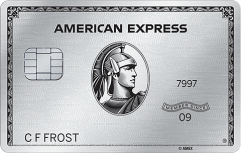
American Express Platinum Card®
Intro bonus:As high as 175,000 points. Find out your offer.
Ongoing APR:See Pay Over Time APR
Rewards:1x - 5x (Points per dollar)
Annual Fee:$895
Wells Fargo Active Cash® Card
Intro bonus:$200
Intro APR:0% intro APR for 12 months from account opening on purchases and qualifying balance transfers
Ongoing APR:18.49%, 24.49%, or 28.49% Variable APR
Rewards:2% (Cash Rewards)
Annual Fee:$0
Discover it® Cash Back
Intro bonus:Cashback Match™
Intro APR:0% intro APR for 15 months on Purchases and Balance Transfers
Ongoing APR:17.49% - 26.49% Variable APR
Rewards:1% - 5% (cash back)
Annual Fee:$0

Avant® Cashback Rewards Mastercard®
Ongoing APR:29.99%*
Rewards:2% (cash back)
Annual Fee:$0*
The opensky® Secured Visa® Credit Card
Ongoing APR:23.89% Variable
Rewards:10% (cash back)
Annual Fee:$35
Credit One Bank American Express® Card for Rebuilding Credit
Ongoing APR:29.74% Variable
Rewards:1% (cash back)
Annual Fee:$75 First year. $99 thereafter, billed monthly at $8.25
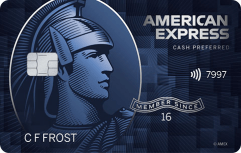
Blue Cash Preferred® Card from American Express
Intro bonus:As High As $300 Cash Back. Find Out Your Offer.
Intro APR:0% on Purchases and Balance Transfers for 12 months
Ongoing APR:19.49%-28.49% Variable
Rewards:1% - 6% (cash back)
Annual Fee:$0 intro annual fee for the first year, then $95.
American Airlines AAdvantage® MileUp® Card
Intro APR:0% for 15 months on Balance Transfers
Ongoing APR:19.49% - 29.49% (Variable)
Rewards:2x (Miles per dollar)
Annual Fee:$0
Credit One Bank® Secured Card
Ongoing APR:29.74% Variable
Rewards:1% (cash back)
Annual Fee:$0
Costco Anywhere Visa® Card by Citi
Ongoing APR:18.74% - 26.74% (Variable)
Rewards:1% - 5% (cash back)
Annual Fee:$0
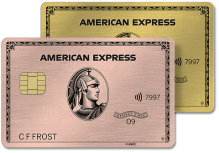
American Express® Gold Card
Intro bonus:As high as 100,000 points. Find out your offer.
Ongoing APR:See Pay Over Time APR
Rewards:1x - 4x (Points per dollar)
Annual Fee:$325
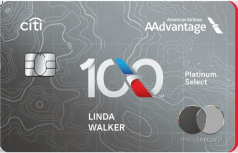
Citi® / AAdvantage® Platinum Select® World Elite Mastercard®
Ongoing APR:19.49% - 29.49% (Variable)
Rewards:2x (Miles per dollar)
Annual Fee:$99, waived for first 12 months

Avant® Cashback Rewards Mastercard®
Ongoing APR:35.99%*
Rewards:1% (cash back)
Annual Fee:$75*
Citi® / AAdvantage® Globe™ Mastercard®
Ongoing APR:19.49% - 29.49% (Variable)
Rewards:1x - 6x (Miles per dollar)
Annual Fee:$350

Avant® Cashback Rewards Mastercard®
Ongoing APR:35.99%*
Rewards:1% (cash back)
Annual Fee:$39*
First Progress Select Secured Mastercard® Cash Back Rewards
Ongoing APR:17.49% Variable
Rewards:1% - 10% (cash back)
Annual Fee:$39
Credit One Bank® Platinum Visa®
Ongoing APR:29.74% Variable
Rewards:1% (cash back)
Annual Fee:$39
Credit One Bank® Wander® American Express® with Dining, Gas & Travel Rewards
Ongoing APR:29.74% Variable
Rewards:1% - 10% (cash back)
Annual Fee:$95
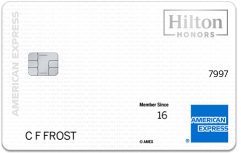
Hilton Honors American Express Card
Intro bonus:70,000 Points
Ongoing APR:19.49%-28.49% Variable
Rewards:3x - 7x (Points per dollar)
Annual Fee:$0
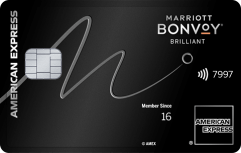
Marriott Bonvoy Brilliant® American Express® Card
Intro bonus:200,000 Points
Ongoing APR:19.49%-28.49% Variable
Rewards:2x - 6x (Points per dollar)
Annual Fee:$650
Discover it® Miles
Intro bonus:Discover Match®
Intro APR:0% intro APR for 15 months on Purchases and Balance Transfers
Ongoing APR:17.49% - 26.49% Variable APR
Rewards:1.5x (Miles per dollar)
Annual Fee:$0
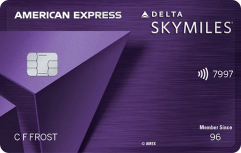
Delta SkyMiles® Reserve American Express Card
Intro bonus:As High As 100,000 Bonus Miles. Find Out Your Offer.
Ongoing APR:19.49%-28.49% Variable
Rewards:1x - 3x (Miles per dollar)
Annual Fee:$650
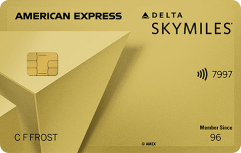
Delta SkyMiles® Gold American Express Card
Intro bonus:As High As 80,000 Bonus Miles. Find Out Your Offer.
Ongoing APR:19.49%-28.49% Variable
Rewards:1x - 2x (Miles per dollar)
Annual Fee:$0 introductory annual fee for the first year, then $150.
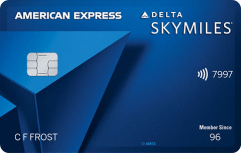
Delta SkyMiles® Blue American Express Card
Intro bonus:10,000 Miles
Ongoing APR:19.49%-28.49% Variable
Rewards:1x - 2x (Miles per dollar)
Annual Fee:$0
One Key™ Card
Intro bonus:$300
Ongoing APR:18.49%, 23.49%, or 28.49% Variable APR
Rewards:1.5x - 3x (Points per dollar)
Annual Fee:$0
One Key+™ Card
Intro bonus:$350
Ongoing APR:18.49%, 23.49%, or 28.49% Variable APR
Rewards:2x - 3x (Points per dollar)
Annual Fee:$99

Avant® Cashback Rewards Mastercard® - With A Higher Credit Limit
Ongoing APR:35.99%*
Rewards:1% (cash back)
Annual Fee:$125*

Avant® Cashback Rewards Mastercard®
Ongoing APR:35.99%*
Rewards:1% (cash back)
Annual Fee:$0*
See all our best rewards credit cards for 2026.
Airline credit cards can offer savings and travel perks for loyal customers. However, their rewards structure and benefits may be less useful for travelers who prefer more flexibility. Explore some advantages and disadvantages of airline credit cards.
Miles for future flights: The miles you accumulate can be redeemed for future flights with the airline or its partners. Depending on the program, you may also be able to redeem miles for seat upgrades, in-flight purchases or vacation packages.
Status in a frequent-flier program: Purchases can contribute to earning elite status in the airlines loyalty program. Earning elite status can unlock value benefits like priority check-in, early boarding groups and bonus miles on paid flights.
Airline discounts: Some airline credit cards offer discounts when you use the card to purchase flights directly with the airline. You may also receive savings on in-flight purchases. These discounts can add up if you fly regularly with that airline.
Airline-specific benefits: Airline cards often include perks that improve your overall travel experience. These benefits may include free checked bags, priority boarding, airline lounge access and complimentary seat upgrades when available.
Less flexibility: You have to book with a specific airline or its partners to get significant value from your rewards. Award flights may also be restricted based on travel dates, destination or plane seats.
Limited access to travel benefits: Airline credit cards typically offer fewer travel-related perks like trip cancellation or travel insurance. These benefits provide financial protection if something goes wrong while you're traveling.
Lower rewards on everyday spending: Purchases outside the airline often earn rewards at a lower rate, often one mile per dollar. If you use the card regularly for non-airline purchases, you may earn rewards more slowly compared with other types of rewards cards.
Potentially high annual fees: Many airline credit cards charge annual fees that can go up to several hundred dollars. The benefits may outweigh the perks if you only fly occasionally.
A travel rewards credit card allows you to earn points on a range of spending including flights, hotel, rental cars and everyday spending. Many travel cards also offer bonus rewards for travel-related purchases. In addition to points, these cards often include travel protections such as trip cancellation, lost or delayed baggage coverage and rental car insurance.
Travel rewards credit cards give you more flexibility, but accessing the most valuable perks may come with a high annual fee. Here are some pros and cons of travel rewards credit cards.
Flexible redemption options: Travel rewards points can be redeemed for flights, hotels, cruises, rental cars, statement credits or even cash back, which gives you more choices than airline-specific miles. You may also be able to transfer points to participating airline or hotel loyalty programs, which gives you even more flexibility when you're planning trips.
Travel protections: Cards may include trip cancellation and interruption coverage, lost or delayed reimbursements, rental car insurance, airport lounge access and expedited security credits. At a minimum, these protections can provide peace of mind when you're traveling.
Potentially high welcome bonus: Many travel credit cards offer large intro bonuses if you spend a minimum amount in the first few months of opening your card. These bonuses sometimes provide enough points for a round-trip flight, several hotel nights or other travel expenses.
Minimal airline-specific benefits: Spending on travel credit cards doesn't directly help you gain airline loyalty status. In addition, simply using the card won't provide access to airline specific perks like priority boarding or seat upgrades.
Higher cost for premium benefits: The most valuable perks are often reserved for premium credit cards with higher annual fees. To make the fee worthwhile, you'll typically need to travel frequently or spend more to take full advantage of the benefits.
Unpredictable rewards value: The value of travel points often depends on how you redeem them. For example, redeeming points for travel through a card issuer's portal may provide more value than redeeming them for a statement credit.
There are a few major differences between airline credit cards and travel credit cards.
Airline credit cards earn miles in the airline's frequent-flier program, while travel rewards cards earn points that can be redeemed more broadly.
You can usually redeem airline miles with that airline or its partner. Travel points are more versatile and can be used for statement credits, purchases or transfers to multiple travel partners.
Learn more: The Worst Ways to Redeem Rewards
Airline cards focus on airline-specific benefits like waived check baggage fees, priority boarding and complimentary seat upgrades. Travel rewards cards provide flexible protections and perks including trip cancellation and baggage delay coverage.
Airline credit cards are best suited for travelers who frequently fly the same airline and want perks like free checked bags or priority boarding. Travel rewards cards are usually best for people who want travel perks and rewards but prefer to travel based on destination or cost.
| Feature | Airline Credit Card | Travel Credit Card |
|---|---|---|
| Rewards type | Miles | Points |
| Where you can redeem | With the airline or its partners | Through the card issuer's portal, statement credit or transfer to travel partners |
| Perks | Airline-focused, exclusive | Flexible, travel-focused |
| Best for | Brand-loyal frequent fliers | Travelers who value flexibility and choice |
Airline credit cards are ideal for travelers who prefer a specific airline and want flight-based perks.
Travel rewards credit cards are best for people who prefer flexibility in earning and redeeming rewards.
Having both an airline credit card and a travel rewards credit card can help you maximize rewards and travel perks, especially if you travel several times a year and spend enough to earn rewards on multiple cards.
Consider your travel frequency, spending habits and willingness to pay multiple annual fees. If you don't travel often, it may not be worth paying multiple annual fees or managing multiple cards.
Additionally, applying for multiple rewards credit cards in a short period of time can affect your credit. Some card issuers may deny your application if you open too many rewards cards in a certain timeframe.
Learn more: How to Choose a Rewards Credit Card
Airline credit cards offer benefits for frequent fliers who are loyal to an airline, while travel rewards cards provide flexibility and broader redemption options. Choosing the right card depends on your travel habits, spending, and the value you place on perks and protection. That might even mean having a combination of both card types.
Having good credit can help you qualify for the best credit cards. Check your FICO® ScoreΘ for free before applying for a credit card to get an idea of where you stand. Experian can also match you with credit cards suited to your credit profile.
Cash back? Miles? Points? Whatever suits your goals, we can help match you to personalized rewards card offers. Start with your FICO® Score for free.
See your offers
LaToya Irby
LaToya Irby is a personal finance writer who works with consumer media outlets to help people navigate their money and credit. She’s been published and quoted extensively in USA Today, U.S. News and World Report, myFICO, Investopedia, The Balance and more.
Read more from LaToya