
 By Bev O'Shea
Why Did My Minimum Payment Go Up?
By Bev O'Shea
Quick Answer
Your credit card’s minimum payment is based on your interest rate and your statement balance. If those go up, your minimum payment might increase as well.

The minimum payment due on your credit card can go up if your balance is growing or if you are late with a payment. Those are two common reasons, but there are others.
Because your minimum payment is based on your interest rate and current balance, when those increase, whether from additional purchases or from fees or interest, your minimum may also go up.
What Is a Minimum Payment on a Credit Card?
A minimum payment is the smallest amount you can pay a credit card issuer to keep your account in good standing.
Minimum payments are not typically an effective way to get out from under credit card debt, but if you have a particularly difficult or expensive month, they can give you some financial breathing room.
You can also consider automating at least the minimum payment on credit cards to avoid a late fee should you overlook a payment or otherwise fail to pay on time.
How Do You Find Your Minimum Payment?
Your minimum payment is listed at the top or on the first page of your credit card statement. It is typically listed under "Payment Information." There, you will also see how long it would take to pay off your current balance if you pay only the minimum and don't continue to add new charges.
How Are Minimum Payments Calculated?
There is no single, standard way that all credit card issuers calculate minimum payments. Two common ones, though, are:
- A flat percentage of the balance owed, usually between 2% and 4%
- A percentage (1% is typical) plus interest and fees for the billing period
In some cases, if your balance is below a certain required minimum of, say, $25 or $35, then payment would be due in full.
Best credit cards of 2026
Compare cards from our partners with intro bonuses, cash back or points offers, and annual fees as low as $0.
Offers from our partners
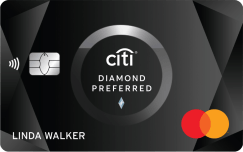
Citi® Diamond Preferred® Card
Intro APR:0% for 21 months on Balance Transfers and 12 months on Purchases
Ongoing APR:16.74% - 27.49% (Variable)
Rewards:
N/A
Annual Fee:$0
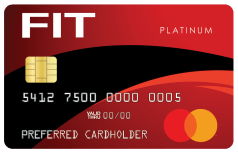
FIT™ Platinum Mastercard® - $400 Credit Limit
Ongoing APR:35.90% Fixed
Rewards:
N/A
Annual Fee:$99 first year; $125 thereafter
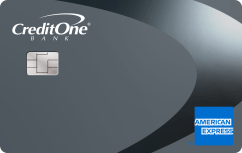
Credit One Bank® American Express® for Rebuilding Credit
Ongoing APR:29.74% Variable
Rewards:
1% (cash back)
Earn 1% cash back rewards on eligible gas, grocery purchases and mobile phone service, internet, cable and satellite TV services, terms apply
Annual Fee:$75 First year. $99 thereafter, billed monthly at $8.25
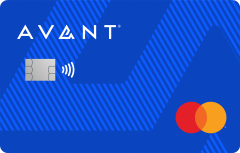
Avant® Cashback Rewards Mastercard®
Ongoing APR:35.99%*
Rewards:
1% (cash back)
Cash back will be awarded as points redeemable for a statement credit
Annual Fee:$0*
First Progress Prestige Secured Mastercard® Cash Back Rewards
Ongoing APR:13.49% Variable
Rewards:
1% - 10% (cash back)
Earn up to 10% Cash Back on everyday purchases at participating dining, grocery, retail, and other eligible merchants, plus 1% Cash Back on payments made to your First Progress Card.^^
Annual Fee:$49

Credit One Bank® Wander® American Express® Card with Dining, Gas & Travel Rewards
Ongoing APR:29.74% Variable
Rewards:
1% - 10% (cash back)
Earn 5% cash back rewards on eligible dining, gas, & travel purchases, 1% cash back rewards on all other purchases, and 10% cash back rewards on eligible hotel and car rentals booked using the Credit One Bank travel partner. Cash back rewards will be awarded as rewards points redeemable for a statement credit, gift cards, travel, and more. Terms apply.
Annual Fee:$95
Hilton Honors American Express Card
Intro bonus:
70,000 Points
Earn 70,000 Bonus Points plus a Free Night Reward after you spend $2,000 in purchases on the card in the first 6 months of Card Membership. Offer ends 01/13/2027.
Ongoing APR:19.74%-28.74% Variable
Rewards:
3x - 7x (Points per dollar)
Earn 7X Hilton Honors Bonus Points for each dollar of eligible purchases charged on your Card directly with a hotel or resort within the Hilton portfolio. Earn 5X Hilton Honors Bonus Points for each dollar of eligible purchases on your Card: at U.S. restaurants, at U.S. supermarkets, at U.S. gas stations. Earn 3X Hilton Honors Bonus Points for all other eligible purchases on your Card.
Annual Fee:$0
Credit One Bank® Premier American Express® Unlimited Rewards Card
Ongoing APR:29.74% Variable
Rewards:
1% (cash back)
Earn unlimited 1% cash back rewards on all purchases, terms apply
Annual Fee:$0
See all our best credit cards for 2026.
5 Reasons Your Minimum Payment Can Go Up
Among the reasons your minimum payment could increase:
- You missed a payment. Missing a payment due date, even by a day, can have consequences. Missing it entirely can result in having a late payment reported to the credit bureaus (this happens once it's at least 30 days late). That can hurt your credit standing and also result in late fees and a penalty interest rate. Late fees and penalty interest rates are part of your minimum payment in some calculations. But even if they are not, they will be added to the amount of money you owe.
- You paid late. Even if you pay within 30 days of the due date, there's a chance you'll be charged a late fee. It might also trigger a penalty interest rate. The best thing to do if a payment is overdue is to pay as quickly as you can and then reach out to the card issuer. If you've never been late before (or if it's been a very long time), you may be able to get the fee and penalty interest rate waived.
- You incurred more debt on the card than you paid off. If the total amount you owe on the card increases month over month, your minimum payment may increase as well, because the total amount you owe is part of the calculation.
- You took advantage of special financing through your card issuer. If your card issuer offers you, for example, interest-free payments over time, you would owe those monthly payments in addition to your regular minimum payment, so the least you'd need to pay to stay in good standing would be higher.
- You took a cash advance. Cash advances have fees that are added to your balance, and the interest rates on cash advances are typically higher than those on the rest of your balance. Interest also accrues immediately, without a grace period. As such, a cash advance could increase your minimum payment due.
The Bottom Line
If your credit card statement balance changes, your minimum payment might change as well. That's because minimum payments are calculated based on what you owe, so they are affected by your monthly spending, interest rates and possible fees.
If you carry a balance, it's important to pay at least the minimum payment. Paying more than the minimum will help you pay off debt more quickly.
If you need to carry a balance on a credit card, it can be useful to find one that offers the lowest interest rate you can qualify for—possibly even one with an introductory 0% rate. Experian offers a free tool that can help you find a credit card that matches your needs and qualifications.
Don’t apply blindly
Apply for credit cards confidently with personalized offers based on your credit profile. Get started with your FICO® Score for free.
See your offers
About the author
Bev O'Shea
Bev O'Shea is a Georgia-based freelance journalist specializing in personal finance and consumer credit. Most recently, she was a staff writer at personal finance website NerdWallet, where she was an authority on credit reports, credit scores and identity theft.
Read more from Bev