
 By John Egan
What to Do if Your Credit Limit Decreases
By John Egan
If you recently noticed that your credit card limit has decreased, you may wonder why. Perhaps you closed a credit card account, prompting a drop in your overall credit limit. Or maybe a credit card issuer decreased your credit limit because your spending habits changed.
If your credit limit decreases, you can take steps to improve your situation, such as lowering credit card balances and building your credit limit back up. In the process, you might see your credit scores eventually go up. Here's how.
Why Did My Credit Limit Go Down?
Your credit limit is the ceiling for how much money you can borrow through a revolving account, such as a credit card or line of credit. For example, $3,000 might be the maximum amount you can charge on a credit card.
Several factors go into determining your credit limit. A lender normally sets your credit limit after reviewing at least one credit report and one credit score supplied by the three consumer credit bureaus (Experian, TransUnion and Equifax). Your credit report and credit score reveal your creditworthiness, which reflects how much money you owe to other lenders and other indicators of how you handle credit. The lender also might consider your household income and your payment history.
But even after your credit card issuer sets your original credit limit, it can decrease that limit without warning. When a card issuer reduces your credit line, however, it cannot impose an over-the-limit fee or penalty interest rate if you go over your new credit limit until 45 days after you've been notified about the lower limit.
Some of the reasons a lender might decrease your credit limit include:
- Missed or late payments: The lender might have detected a number of missed or late payments, suggesting that you might be experiencing financial difficulties.
- High credit utilization: Your credit reports might show that you're using a significant amount of credit. This is reflected in your credit utilization ratio, or the amount of revolving debt you're using. The ratio is figured by dividing the amount you owe across all of your credit cards and other revolving credit accounts by the credit limits of those accounts. A ratio of 30% or more can start to hurt your credit scores, while a ratio in single digits is considered ideal. Always aim to keep the ratio under 30% to maintain a healthy credit score.
- Low credit utilization: If you haven't used a credit card much or at all over a certain amount of time, the card issuer might lower your credit limit.
- Change in buying behavior: Credit card issuers track your spending and how it changes, and may use the data they gather to alter your credit limit. But here's the good news: If you pay your card balance in full each month, the issuer could maintain the credit limit you had before you changed your spending habits.
What You Can Do After a Credit Limit Decrease
A lower credit limit can come as a shock. Fortunately, you can take action to address the lower limit:
- Contact your credit card company. Ask why it lowered your credit limit. Based on that knowledge, you might be able to take action to get your previous limit restored.
- Check your credit reports. Monitor your credit regularly and look for any negative issues or errors that might have caused a card issuer to decrease your credit limit. If you see any inaccuracies that could be hurting your credit, work with the issuers of the reports to correct them.
- Use credit responsibly. Making on-time payments and paying off your balance in full each month are two steps to help improve your standing with the card issuer that lowered your credit limit.
How Does a Credit Limit Decrease Impact Your Credit Score?
A decrease in your credit limit might cause your credit scores to go down. Why? As noted above, a big part of your credit score calculation is based on your credit utilization ratio.
Your credit utilization ratio represents all of your credit card balances at a certain point in time divided by the total of your credit limits. So, if the balances on your credit cards add up to $2,000 and your total credit limit is $10,000, your utilization ratio comes to 20%.
When you close a credit card account or a card issuer decreases your credit limit, your overall credit limit declines. Using the example above, let's say you cancel a card with a $2,000 limit, so your total credit limit now is $8,000. Meanwhile, your total balances stay at $2,000. This results in your credit utilization rising from 20% to 25%. If a decreased credit limit results in a credit utilization above 30%, your credit scores can suffer.
How to Minimize the Impact of a Decreased Credit Limit
If one of your credit card issuers reduces your credit limit, don't worry. It doesn't need to be permanent. Follow these three tips to ease the impact of a lower limit on your credit scores.
1. Reduce Your Debt
Look at your credit card spending. Are you carrying balances from month to month? If so, try to pay off some or all of that credit card debt, and keep those accounts open. By doing so, your credit utilization ratio will drop.
2. Consider Opening a New Credit Card
Opening another credit card account can bump up your overall credit limit. Check out Experian's credit card comparison tool to see cards. Remember to always maintain low balances on both your old and new credit cards and pay your credit bills on time every month. Keep in mind that if you open a new credit card account, the hard inquiry on your credit reports might lead to a temporary and small dip in your scores. Over time, a new account can reduce your credit utilization rate and lift your credit scores as long as you manage it responsibly.
Best credit cards of 2026
Compare cards from our partners with intro bonuses, cash back or points offers, and annual fees as low as $0.
Offers from our partners
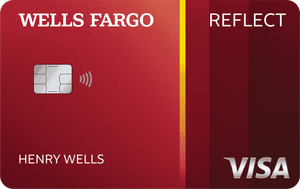
Wells Fargo Reflect® Card
Intro APR:0% intro APR for 21 months from account opening on purchases and qualifying balance transfers
Ongoing APR:17.74%, 24.24%, or 28.49% Variable APR
Rewards:
N/A
Annual Fee:$0

The opensky® Secured Visa® Credit Card
Ongoing APR:23.89% Variable
Rewards:
10% (cash back)
Earn up to 10% cash back on purchases made with your opensky Secured Visa Credit Card at 40,000+ retailers. Visit opensky Rewards in the opensky app for participating retailers. Learn more at openskycc.com. See Rewards Terms and Conditions for more information.
Annual Fee:$35
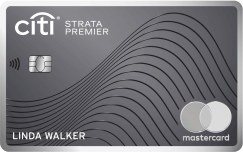
Citi Strata Premier® Card
Intro bonus:
60,000 Points
Earn 60,000 bonus ThankYou® Points after spending $4,000 in the first 3 months of account opening, redeemable for $600 in gift cards or travel rewards at thankyou.com.
Ongoing APR:19.74% - 27.74% (Variable)
Rewards:
1x - 10x (Points per dollar)
Earn 10 Points per $1 spent on Hotels, Car Rentals, and Attractions booked on CitiTravel.com. Earn 3 Points per $1 on Air Travel and Other Hotel Purchases, at Restaurants, Supermarkets, Gas and EV Charging Stations. Earn 1 Point per $1 spent on all other purchases.
Annual Fee:$95
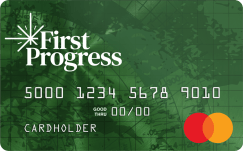
First Progress Prestige Secured Mastercard® Cash Back Rewards
Ongoing APR:13.49% Variable
Rewards:
1% - 10% (cash back)
Earn up to 10% Cash Back on everyday purchases at participating dining, grocery, retail, and other eligible merchants, plus 1% Cash Back on payments made to your First Progress Card.^^
Annual Fee:$49

Credit One Bank® Platinum Rewards Visa® Card
Ongoing APR:29.74% Variable
Rewards:
1% (cash back)
Earn 1% cash back rewards on eligible gas, grocery purchases and mobile phone service, internet, cable and satellite TV services, terms apply
Annual Fee:$39
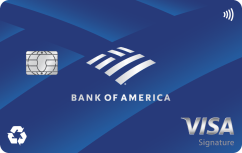
Bank of America® Travel Rewards credit card
Intro APR:0% Intro APR for 15 billing cycles for purchases, and for any balance transfers made in the first 60 days
Ongoing APR:17.74% - 27.74% Variable
Rewards:
1.5x - 3x (Points per dollar)
3 points per $1 spent on travel purchases booked through BofA Travel and 1.5 points per $1 spent on everyday purchases
Annual Fee:$0
BankAmericard® credit card
Intro APR:0% Intro APR for 21 billing cycles for purchases, and for any balance transfers made in the first 60 days
Ongoing APR:15.24% - 26.24% Variable
Rewards:
N/A
Annual Fee:$0
Bank of America® Unlimited Cash Rewards credit card
Intro APR:0% Intro APR for 15 billing cycles for purchases, and for any balance transfers made in the first 60 days
Ongoing APR:17.74% - 27.74% Variable
Rewards:
1.5% (cash back)
1.5% cash back on all purchases
Annual Fee:$0
See all our best credit cards for 2026.
3. Ask for a Credit Limit Increase on a Current Credit Card
If you've been a good customer, some credit card issuers will instantly increase the credit limit on a credit card that you already have upon request. To find out, call the card issuer to seek a credit limit increase or check your account online for instructions on how to ask for an increase.
When Will Your Credit Score Recover?
If your score falls after your credit limit decreases, it will bounce back as long as you take the right steps, such as reducing your debt and making credit card payments on or before the due date. It might take a few months, but if you focus on those two moves, your credit scores can climb.
Don’t apply blindly
Apply for credit cards confidently with personalized offers based on your credit profile. Get started with your FICO® Score for free.
See your offers
About the author
John Egan
John Egan is a freelance writer, editor and content marketing strategist in Austin, Texas. His work has been published by outlets such as CreditCards.com, Bankrate, Credit Karma, LendingTree, PolicyGenius, HuffPost, National Real Estate Investor and Urban Land.
Read more from John