
 Edited by Michelle Tipsword
Common Credit Card Fees
Edited by Michelle Tipsword
Quick Answer
Aside from an annual fee, most credit card fees depend on how you use your card or manage your bills. Here’s a brief overview of nine common credit card fees and what you can do to avoid them.

Credit cards can have many fees. However, you can get away without paying any fees (or interest charges) if you choose the right card and steer clear of a few fee-causing actions. Here's a list of the common credit card fees you should look out for, how they work and what you can do to avoid them.
1. Annual Fee
Some credit cards have an annual fee which you'll pay when you first receive the card and at each cardholder anniversary—although some cards waive the fee the first year to attract new applicants. The fee is most common on secured and rewards cards, and it can range from around $50 to over $500.
How to Avoid Annual Fees
Some of the best secured cards don't charge an annual fee, and you can also find rewards cards that don't have annual fees. However, cards with an annual fee may offer better benefits and rewards rates. Take the cost of an annual fee into account when considering which options will benefit you the most over the course of a year.
You can also avoid the fee after the first year by closing your account or, sometimes, transferring your account to a card without the fee.
Tip: If your card has an annual fee and you're on the fence, it's also worth calling the card issuer and asking if they can waive the fee or offer you any extra rewards.
Learn more: Best Credit Cards With No Annual Fee
2. Authorized User Fee
You can add an authorized user to your credit card to give someone else a card that's tied to your account. Adding an authorized user is usually free, but some premium rewards cards charge for authorized users because the authorized user receives cardholder benefits. A few cards for people who are building credit also charge this fee, perhaps because being an authorized user might also help the authorized user build credit.
How to Avoid Authorized User Fees
If you have a card that charges this fee, there might not be any way to avoid it. But most cards don't have an authorized user or additional card fee, and you can add someone to your account for free. You'll still be responsible for any charges from their card usage, however.
3. Balance Transfer Fee
Balance transfer fees are often charged when you transfer a balance to your credit card or when you "transfer" a balance from your credit card to a bank account. Balance transfers can be appealing when the card has a promotional balance transfer interest rate, which can save you money while you pay down the debt. However, the fee is often 3% to 5% of the amount you transfer, with a $5 to $10 minimum fee per transfer.
How to Avoid Balance Transfer Fees
You can avoid the fee if you don't use balance transfers—taking out a debt consolidation loan could be a good alternative. Some cards also don't charge balance transfer fees. But they also might not offer a promotional 0% annual percentage rate (APR) on your balance transfers, or they could have a shorter promotional period than cards with the fee.
Learn more: Best Balance Transfer Credit Cards
Best balance transfer cards of 2026
Compare balance transfer offers from our partners with 0% APRs and generous introductory periods.
Offers from our partners
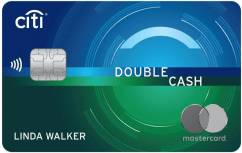
Citi Double Cash® Card
Intro APR:0% for 18 months on Balance Transfers
Ongoing APR:17.49% - 27.49% (Variable)
Rewards:2% (cash back)
Annual Fee:$0

Blue Cash Everyday® Card from American Express
Intro bonus:As High As $200 Cash Back. Find Out Your Offer.
Intro APR:0% on Purchases and Balance Transfers for 15 months
Ongoing APR:19.49%-28.49% Variable
Rewards:1% - 3% (cash back)
Annual Fee:$0
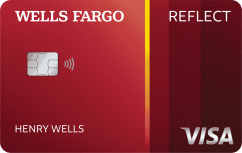
Wells Fargo Reflect® Card
Intro APR:0% intro APR for 21 months from account opening on purchases and qualifying balance transfers
Ongoing APR:17.49%, 23.99%, or 28.24% Variable APR
Rewards:N/A*
Annual Fee:$0

Discover it® Chrome
Intro bonus:Cashback Match™
Intro APR:0% intro APR for 6 Months on Purchases and 0% intro APR for 18 Months on Balance Transfers
Ongoing APR:17.49% - 26.49% Variable APR
Rewards:1% - 2% (cash back)
Annual Fee:$0
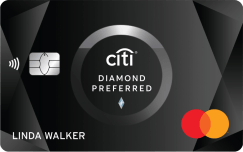
Citi® Diamond Preferred® Card
Intro APR:0% for 21 months on Balance Transfers and 12 months on Purchases
Ongoing APR:16.49% - 27.24% (Variable)
Rewards:N/A*
Annual Fee:$0
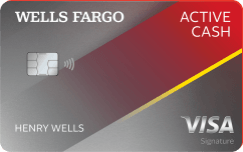
Wells Fargo Active Cash® Card
Intro bonus:$200
Intro APR:0% intro APR for 12 months from account opening on purchases and qualifying balance transfers
Ongoing APR:18.49%, 24.49%, or 28.49% Variable APR
Rewards:2% (Cash Rewards)
Annual Fee:$0
Blue Cash Preferred® Card from American Express
Intro bonus:As High As $300 Cash Back. Find Out Your Offer.
Intro APR:0% on Purchases and Balance Transfers for 12 months
Ongoing APR:19.49%-28.49% Variable
Rewards:1% - 6% (cash back)
Annual Fee:$0 intro annual fee for the first year, then $95.
American Airlines AAdvantage® MileUp® Card
Intro APR:0% for 15 months on Balance Transfers
Ongoing APR:19.49% - 29.49% (Variable)
Rewards:2x (Miles per dollar)
Annual Fee:$0
See all our best balance transfer credit cards for 2026.
4. Cash Advance Fee
If you use your card to withdraw cash, your card issuer might charge you an additional cash advance fee. The fee is often 3% to 5% of the amount you receive, with a minimum $5 to $10 charge per cash advance. Your cash advances also start to accrue interest immediately—often at a higher interest rate than your purchase and balance transfers.
Be aware: You might get charged a cash advance fee for cash-like transactions, such as peer-to-peer money transfers, purchasing cryptocurrencies and placing bets.
How to Avoid Cash Advance Fees
You can avoid cash advance fees by getting an emergency loan or an advance on your paycheck rather than using your credit card to get cash. You likely won't be able to avoid this fee if you use your card to get cash. To avoid cash advances, you can try logging in to your account or calling your card issuer and reducing your card's cash advance limit to $0 to ensure these transactions won't go through.
5. Foreign Transaction Fee
Credit cards may charge foreign transaction fees—often, 2% to 3% of the transaction amount—on purchases when you're outside the U.S., or if you're buying something online in a foreign currency. Be cautious if you're traveling and see an option to pay in U.S. dollars rather than the local currency. You might wind up paying a high exchange rate and still get charged the foreign transaction fee because you're outside the U.S.
How to Avoid Foreign Transaction Fees
The best travel cards generally don't have foreign transaction fees—and plenty of options don't have annual fees either. You can also avoid foreign transaction fees by using cash when you're abroad, and some banks will even reimburse you for international ATM fees.
Learn more: Best No Foreign Transaction Fee Credit Cards
6. Late Payment Fee
Card issuers might charge you a late payment fee if you don't make at least the minimum payment by the bill's due date. An initial late payment can be as high as $30, and subsequent late payments within six billing cycles can be as high as $41. Many smaller banks and credit unions charge lower late payment fees—such as a maximum of $25 per incident.
How to Avoid Late Payment Fees
You might avoid late payment fees by setting up automatic payments for at least your minimum payments. There are also some credit cards that don't charge the fee the first time you're late—or don't have late payment fees at all. If you're charged a late payment fee, you could also try paying your bill and then calling your card issuer to see if they'll refund the fee or offer you a fee waiver.
Learn more: What to Do if You're Late on a Credit Card Payment
7. Returned Payment Fees
Credit card issuers may charge you a fee if your payment gets returned. For example, if you don't have enough money in your account for the payment.
How to Avoid Returned Payment Fees
Review your bank account's current balance before making an online payment or mailing a check. If you have automatic payments enabled, see if you can also enable alerts from your card issuer and get notified a few days before the payment will be processed.
8. Less-Common Credit Card Fees
Most credit cards don't charge the following fees, but you might come across them if you're looking at credit cards for rebuilding your credit.
- Program fees: An upfront fee that you pay before you can get your card.
- Monthly fees: A monthly fee that may be in addition to or instead of an annual fee.
- Premium card design fees: Many issuers let you customize your credit card for free. Be sure to check whether you'll need to pay before you request a custom design.
- Paper statement fees: Some issuers charge small fees (less than $2) for requesting a paper copy of your statement, rather than receiving it digitally. Be sure to look for this in the fine print and opt into paperless billing if you want to avoid it. Or, opt for a credit card that doesn't charge it.
- Telephone payment fees: This is charged if you make certain expedited credit card payments through a customer service agent over the phone.
- Expedited shipping fees: When you request a new or replacement credit card, some issuers may allow you to pay a fee to get it faster.
- Over-the-limit fees: These fees were once common, but the Credit Card Accountability Responsibility and Disclosure Act of 2009 (CARD Act) regulated how and when issuers can charge them. Now, you can only be charged this fee if you specifically opt in, allowing the card issuer to let you go over your card's credit limit and charge a fee.
Closely review a card's terms and conditions to understand what fees might apply.
Tip: Compare credit card options to see if you can qualify for a credit card that doesn't have many fees.
Compare Your Credit Card Offers
Understanding credit card fees is important, but you also want to compare credit cards' benefits and rewards before applying. Additionally, you want to know if there's a good chance that you'll get approved for the card if you apply. View credit cards matched to your credit profile to quickly compare credit offers and filter the results to find the best card for you.
Don’t apply blindly
Apply for credit cards confidently with personalized offers based on your credit profile. Get started with your FICO® Score for free.
See your offers
About the author

Louis DeNicola
Louis DeNicola is freelance personal finance and credit writer who works with Fortune 500 financial services firms, FinTech startups, and non-profits to teach people about money and credit. His clients include BlueVine, Discover, LendingTree, Money Management International, U.S News and Wirecutter.
Read more from Louis