
 Edited by Michelle Tipsword
Should I Get a New Credit Card?
Edited by Michelle Tipsword
Quick Answer
Whether to get another credit card depends on your credit, spending habits and financial goals. Learn when it makes sense to apply, when to wait and how to choose the best card for your needs.

Whether you should apply for a new credit card depends on several factors, including your credit score, your ability to manage multiple credit accounts and whether you plan to apply for any major loans soon. A new credit card can offer useful benefits and help you build credit, but it could also lead to overspending and potentially damage your credit if not used responsibly. Here's what to consider before opening another card.
When to Consider Getting a New Credit Card
Getting a new credit card may make sense for you in the following situations.
You've Improved Your Credit Score
If your credit score has improved since you got your current credit cards, it may be worth exploring newer credit card offers. Having good credit could help you qualify for cards with lower interest rates, higher credit limits or more robust rewards programs. This can give you greater financial flexibility and save you money over time.
Best credit cards of 2026
Compare cards from our partners with intro bonuses, cash back or points offers, and annual fees as low as $0.
Offers from our partners
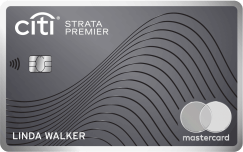
Citi Strata Premier® Card
Intro bonus:
60,000 Points
Earn 60,000 bonus ThankYou® Points after spending $4,000 in the first 3 months of account opening, redeemable for $600 in gift cards or travel rewards at thankyou.com.
Ongoing APR:19.74% - 27.74% (Variable)
Rewards:
1x - 10x (Points per dollar)
Earn 10 Points per $1 spent on Hotels, Car Rentals, and Attractions booked on CitiTravel.com. Earn 3 Points per $1 on Air Travel and Other Hotel Purchases, at Restaurants, Supermarkets, Gas and EV Charging Stations. Earn 1 Point per $1 spent on all other purchases.
Annual Fee:$95

Avant® Cashback Rewards Mastercard®
Ongoing APR:35.99%*
Rewards:
1% (cash back)
Cash back will be awarded as points redeemable for a statement credit
Annual Fee:$75 first year; then $99/year
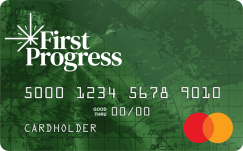
First Progress Prestige Secured Mastercard® Cash Back Rewards
Ongoing APR:13.49% Variable
Rewards:
1% - 10% (cash back)
Earn up to 10% Cash Back on everyday purchases at participating dining, grocery, retail, and other eligible merchants, plus 1% Cash Back on payments made to your First Progress Card.^^
Annual Fee:$49

Credit One Bank® Platinum Rewards Visa® Card
Ongoing APR:29.74% Variable
Rewards:
1% (cash back)
Earn 1% cash back rewards on eligible gas, grocery purchases and mobile phone service, internet, cable and satellite TV services, terms apply
Annual Fee:$39
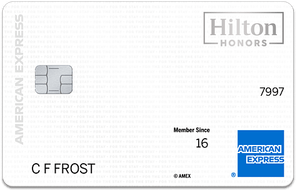
Hilton Honors American Express Card
Intro bonus:
70,000 Points
Earn 70,000 Bonus Points plus a Free Night Reward after you spend $2,000 in purchases on the card in the first 6 months of Card Membership. Offer ends 01/13/2027.
Ongoing APR:19.74%-28.74% Variable
Rewards:
3x - 7x (Points per dollar)
Earn 7X Hilton Honors Bonus Points for each dollar of eligible purchases charged on your Card directly with a hotel or resort within the Hilton portfolio. Earn 5X Hilton Honors Bonus Points for each dollar of eligible purchases on your Card: at U.S. restaurants, at U.S. supermarkets, at U.S. gas stations. Earn 3X Hilton Honors Bonus Points for all other eligible purchases on your Card.
Annual Fee:$0
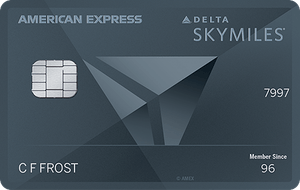
Delta SkyMiles® Reserve American Express Card
Intro bonus:
Earn 2 Delta Comfort Flight Certificates + 50K Miles
Earn two domestic Delta Comfort Flight Certificates + 50,000 Bonus Miles after $10,000 in purchases on your new Card in your first 6 months. A 21+ day advance purchase required. Taxes and fees up to $80 per person apply. Terms and other restrictions apply. Offer ends 11/04/2026.
Ongoing APR:19.74%-28.74% Variable
Rewards:
1x - 3x (Miles per dollar)
Earn 3X Miles on Delta purchases and earn 1X Miles on all other eligible purchases.
Annual Fee:$650
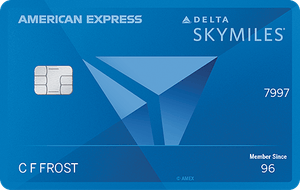
Delta SkyMiles® Blue American Express Card
Intro bonus:
10,000 Miles
Earn 10,000 bonus miles after you spend $1,000 in purchases on your new Card in your first 6 months.
Ongoing APR:19.74%-28.74% Variable
Rewards:
1x - 2x (Miles per dollar)
Earn 2X Miles per dollar at restaurants worldwide, plus takeout and delivery in the U.S. Earn 2X Miles per dollar spent on Delta purchases, and 1X Mile on all other eligible purchases.
Annual Fee:$0

Ollo Everyday Rewards
Ongoing APR:23.99%-29.99% Variable
Rewards:
1% - 3% (cash back)
Unlimited 3% cash back on all gas stations and EV charging stations, grocery store and drugstore purchases. Unlimited 1% cash back on all other purchases.
Annual Fee:$0
See all our best credit cards for 2026.
You Can Responsibly Manage Multiple Accounts
If you don't have difficulty keeping track of different due dates, have the budget to handle payments to multiple cards on time and can avoid the temptation to overspend when your credit limit increases, you might want to consider opening a new account when the right offer comes along.
You Can Earn More Competitive Rewards With a New Card
Credit card issuers are constantly releasing new products that offer different rewards and benefits than previous offerings. If you've been using the same credit cards for several years, comparing the latest rewards credit cards could help you find a card that better fits your needs.
Tip: Applying for a card with a generous intro bonus can be tempting. Just be sure you understand and can meet the requirements of earning the bonus, such as spending a minimum amount within a certain time frame.
Your Financial Goals or Spending Habits Have Changed
A card that worked well for you a few years ago may not be the best match today if it no longer fits your spending habits, lifestyle or financial priorities. For example, if you're a former frequent flier but now rarely travel, you may want to swap your travel rewards card for a card that rewards spending in categories like gas or groceries. Or you may prefer a rewards card with simpler, flat-rate cash back rewards. Reviewing your spending and comparing it to your current card's rewards and perks can help you decide whether adding a new card is worthwhile.
You Can Benefit From Promotional Financing
If you're looking to pay off high-interest credit card debt, an interest-free balance transfer offer could be useful. These cards let you transfer a balance from existing credit cards to the new account and enjoy a 0% introductory annual percentage rate (APR) on the transfer amount for 12 months or more.
A balance transfer can give you some respite from snowballing interest and make paying off your balance more manageable. However, you must pay off the transferred balance in full before the promotional rate expires to avoid incurring new interest. Otherwise, the card's regular APR, which can be quite high, will apply to any remaining balance.
Tip: Since most cards impose a balance transfer fee of 3% to 5%, it's important to weigh your potential interest savings against the fee to determine if you'll come out ahead.
Learn more: How Do 0% Intro APR Credit Cards Work?
When to Hold Off on Getting a New Credit Card
It may not be a good idea to open a new credit card in the following situations.
Your Credit Score Needs Work
Bad credit won't necessarily keep you from getting a credit card; in fact, there are cards specifically designed for people with poor credit, and some even offer rewards. However, the credit cards you are likely to qualify for may have high interest rates, which could become a problem if you carry a balance. If you're not in a hurry, taking some time to work on your credit score before applying for a new credit card could be a good idea.
Learn more: How to Raise Your Credit Score in 30 Days
You Plan on Applying for a Big Loan Soon
It's generally advised to avoid applications for new credit for at least six months before applying for a major loan like a mortgage or auto loan. When a lender requests your credit reports for a new credit card, a hard inquiry is recorded in your credit file, typically causing a small, temporary drop in your credit scores.
Multiple hard inquiries for credit cards can have a bigger negative impact. Since even a slight score dip could affect your loan terms, avoiding new credit applications helps ensure your credit scores are the best they can be.
You're Having Trouble Managing Your Existing Cards
Opening a credit card may not be wise if your credit card balances are growing, you're struggling to manage your debts or you're having trouble making timely payments on your existing credit cards. Adding another card at this time could tempt you to overspend and get deeper into debt.
Learn more: How Credit Cards Can Affect Your Credit Score
How Many Credit Cards Should I Have?
There is no set number of credit cards that everyone should have. Americans have about four credit cards on average, according to Experian data. But the right number of credit cards for you depends on whether you can manage the accounts, avoid unnecessary fees and interest charges and manage your spending.
Financial experts often recommend having at least one credit card. Using a credit card responsibly by making timely payments and keeping credit utilization low can help you build credit. Showing that you can manage a mix of revolving credit (like credit cards) and installment loans (like student loans or car loans) can also benefit your credit score by diversifying your credit mix.
Depending on your spending habits and financial goals, a single credit card may be all you need, or you may want several credit cards to increase your available credit, take advantage of different rewards programs or provide backup if another credit card is lost or stolen.
How Long to Wait Between Credit Card Applications
It's typically wise to wait at least six months between credit card applications to minimize the negative impact of hard inquiries on your credit scores. Multiple hard inquiries within a short time frame can cause a more significant dip in your scores than a single hard inquiry. That's because a slew of credit applications can signal to lenders that you're relying on credit to pay your bills, which could make you a risky borrower.
In addition, some credit card issuers limit the number of cards you can open within a certain period, or may be less likely to approve you if you've opened several new cards recently.
Learn more: When Should I Apply for Another Credit Card?
How to Choose a New Credit Card
If you decide a new credit card makes sense for you, follow these steps to choose the best credit card for your situation.
- Check your credit score. Knowing your score can help you focus on cards that match your credit profile. You can get your credit scores for free from Experian to see where you stand and whether your score aligns with the cards you want. If not, consider taking steps to improve your score before you apply.
- Consider your goals. Decide what you want a credit card to do for you, such as helping you build credit, transfer a balance, make purchases with a lower interest rate or earn rewards.
- Evaluate your spending and payment habits. For example, if you tend to carry a balance, look for the card with the lowest interest rate. If you're seeking rewards, can you keep track of rotating bonus rewards categories that change every quarter, or would you prefer the simplicity of a flat-rate cash back card?
- Get prequalified. Prequalification lets you preview cards you may qualify for; it generally involves a soft credit check, which doesn't affect your credit scores. You can get prequalified on credit card company websites or use Experian's credit card comparison tool to get matched with personalized credit card offers based on your credit profile.
- Compare options. Review APRs, fees, perks, rewards programs, introductory bonuses and other card features.
Learn more: What Credit Card Should I Get?
Frequently Asked Questions
Do Your Homework to Find the Right Credit Card
Ultimately, the best time to get a new credit card is when it meets a financial need and you can manage the payments without overextending yourself. If you decide the time is right for a new credit card, take time to compare your options carefully.
Credit cards with the lowest interest rates and best rewards typically require good to excellent credit. If you're not quite there yet, it could be worth working on improving your credit before you apply for a new credit card. Free credit monitoring from Experian offers a convenient way to keep tabs on your credit and track the progress of your credit score.
Don’t apply blindly
Apply for credit cards confidently with personalized offers based on your credit profile. Get started with your FICO® Score for free.
See your offers
About the author

Karen Axelton
Karen Axelton is Experian’s in-house senior personal finance writer. She has over 20 years of experience as a journalist and has written or ghostwritten content for a variety of financial services companies.
Read more from Karen