
 By Jim Akin
Cash vs. Credit Card: Which Should I Use?
By Jim Akin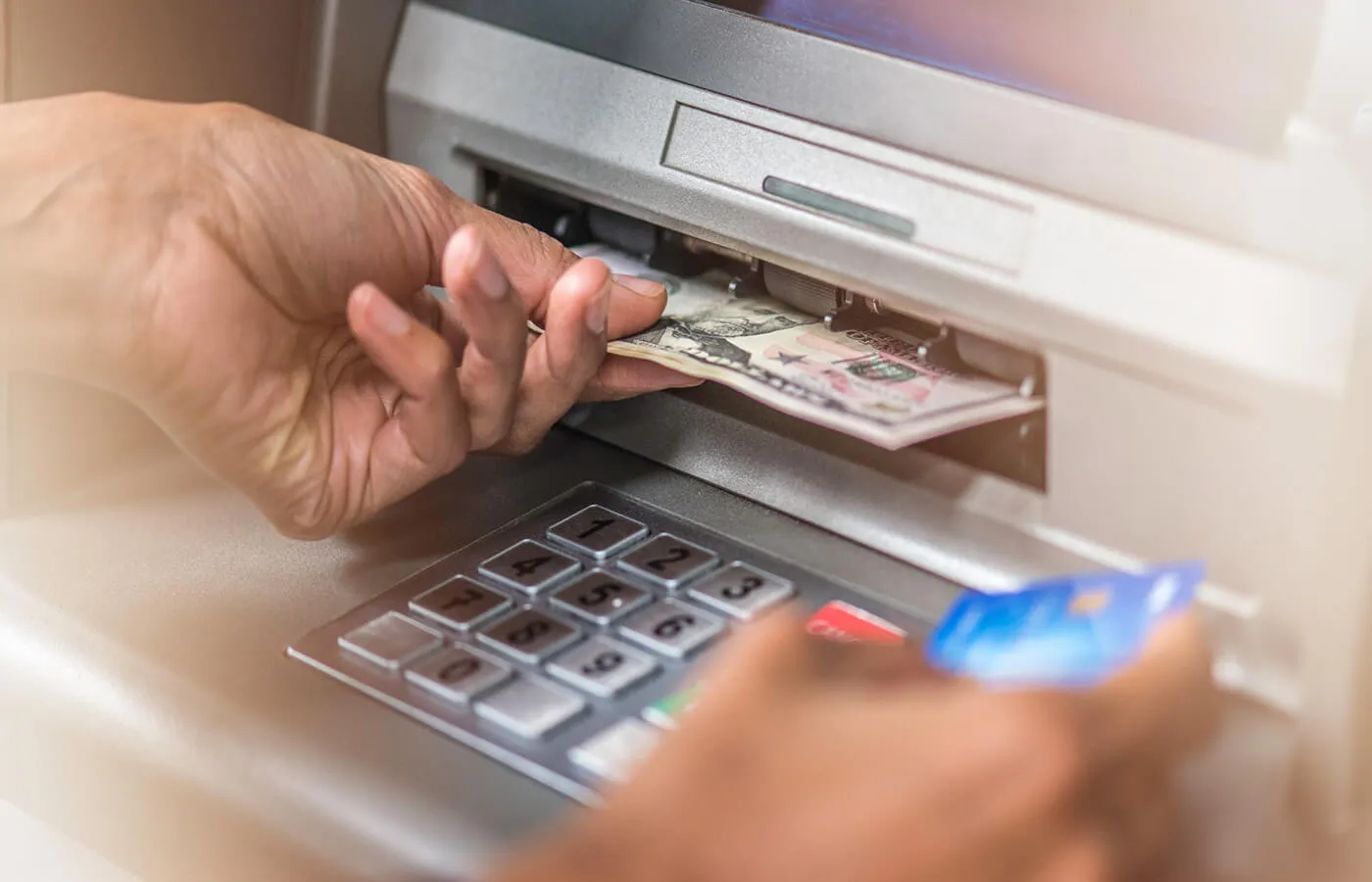
Deciding whether to make a payment using cash or a credit card used to be fairly simple: You'd typically only use credit when a purchase required more cash than you had on hand. The choice is more nuanced today, thanks to improved card-user benefits and changes in the way we shop. Here's an overview of the considerations, and some advice on when to use each.
Research on Americans' use of cash and credit cards found cash usage in decline:
- The Federal Reserve's annual Consumer Payment Choice Diary, published in October 2020, found that cash use accounted for 19% of all payments, a drop of 7 percentage points from 2019.
- A survey conducted by Travis Credit Union published in September 2020 found that just 29% of Americans prefer using cash alone to make conduct payments, and that twice as many (59%) prefer using credit or debit cards exclusively, in lieu of cash. While a majority of respondents (52%) cited convenience as the main reason they prefer card payments, 11% said they prefer cards because they are more hygienic than cash.
Despite the growing popularity of non-cash options, Experian research compiled in the third quarter of 2020 found that consumers are making inroads to reducing their credit card debt. Experian found overall outstanding consumer credit card debt in the U.S. debt fell 9% since 2019. The average credit card debt per consumer fell as well, by 14% to $5,315. Along with the reduction in debt levels, the average number of credit cards American consumers hold dipped to 3.84.
Pros and Cons of Cash and Credit Cards
These are the main points to consider when deciding whether to pay with cash or a credit card:
| Credit Card | Cash |
|---|---|
| Accepted nearly everywhere | Universally accepted |
| User is protected from unauthorized charges if the card is lost or stolen | Difficult or impossible to recover if lost or stolen |
| Potentially vulnerable to fraud | Physical cash, debit cards and checks are subject to theft and abuse; bank accounts are vulnerable to electronic fraud |
| Allows contactless payments at a growing number of locations; easy to sanitize | Cash may be dirty, germy or otherwise unpleasant to handle; difficult to sanitize |
| Many cards can be used internationally, enabling payments to be made in local currencies | Cash must be exchanged for local currency in most foreign locations |
| Usage of rewards cards may accrue cash, purchase points, or other goods and services rewards | Discounts are available on cash purchases from some merchants, including gas stations |
When You Should Use a Credit Card Over Cash
Instances when it makes sense to use a credit card instead of cash include the following situations.
- When making purchases online, by phone or through a catalog, especially when the product is unfamiliar to you, a credit card can help you avoid buyer's remorse. If the merchandise isn't all you hoped it would be, or if it arrives damaged, your credit card company can assist you to ensure you get a replacement or a refund.
- If you get cash back, airline miles or other rewards benefits from your card, you can benefit by using your card for everyday purchases (groceries, fuel and so on), as long as you aren't carrying a balance on that card and can pay off those charges in full and on time each month. If you carry a balance on the card, interest charges can quickly offset the value of any rewards you might accumulate.
- If you're working to improve or rebuild your credit, using your credit card(s) regularly for small purchases and paying your full balance on time every month can help. Each timely payment adds a positive entry to your payment history, which is the most influential factor that determines your credit scores.
Best credit cards of 2026
Compare cards from our partners with intro bonuses, cash back or points offers, and annual fees as low as $0.
Offers from our partners
Citi® Diamond Preferred® Card
Intro APR:0% for 21 months on Balance Transfers and 12 months on Purchases
Ongoing APR:16.74% - 27.49% (Variable)
Rewards:
N/A
Annual Fee:$0
FIT™ Platinum Mastercard® - $400 Credit Limit
Ongoing APR:35.90% Fixed
Rewards:
N/A
Annual Fee:$99 first year; $125 thereafter
Credit One Bank® American Express® for Rebuilding Credit
Ongoing APR:29.74% Variable
Rewards:
1% (cash back)
Earn 1% cash back rewards on eligible gas, grocery purchases and mobile phone service, internet, cable and satellite TV services, terms apply
Annual Fee:$75 First year. $99 thereafter, billed monthly at $8.25

Avant® Cashback Rewards Mastercard®
Ongoing APR:35.99%*
Rewards:
1% (cash back)
Cash back will be awarded as points redeemable for a statement credit
Annual Fee:$0*
First Progress Prestige Secured Mastercard® Cash Back Rewards
Ongoing APR:13.49% Variable
Rewards:
1% - 10% (cash back)
Earn up to 10% Cash Back on everyday purchases at participating dining, grocery, retail, and other eligible merchants, plus 1% Cash Back on payments made to your First Progress Card.^^
Annual Fee:$49

Credit One Bank® Wander® American Express® Card with Dining, Gas & Travel Rewards
Ongoing APR:29.74% Variable
Rewards:
1% - 10% (cash back)
Earn 5% cash back rewards on eligible dining, gas, & travel purchases, 1% cash back rewards on all other purchases, and 10% cash back rewards on eligible hotel and car rentals booked using the Credit One Bank travel partner. Cash back rewards will be awarded as rewards points redeemable for a statement credit, gift cards, travel, and more. Terms apply.
Annual Fee:$95
Hilton Honors American Express Card
Intro bonus:
70,000 Points
Earn 70,000 Bonus Points plus a Free Night Reward after you spend $2,000 in purchases on the card in the first 6 months of Card Membership. Offer ends 01/13/2027.
Ongoing APR:19.74%-28.74% Variable
Rewards:
3x - 7x (Points per dollar)
Earn 7X Hilton Honors Bonus Points for each dollar of eligible purchases charged on your Card directly with a hotel or resort within the Hilton portfolio. Earn 5X Hilton Honors Bonus Points for each dollar of eligible purchases on your Card: at U.S. restaurants, at U.S. supermarkets, at U.S. gas stations. Earn 3X Hilton Honors Bonus Points for all other eligible purchases on your Card.
Annual Fee:$0
Credit One Bank® Premier American Express® Unlimited Rewards Card
Ongoing APR:29.74% Variable
Rewards:
1% (cash back)
Earn unlimited 1% cash back rewards on all purchases, terms apply
Annual Fee:$0
See all our best credit cards for 2026.
When You Should Use Cash Over a Credit Card
The main benefits of making payments with cash are straightforward.
- Limiting yourself to spending only the cash you have on hand during a night out, weekend away or any other occasion can make it harder to overspend or run up credit card purchases that'll lead to costly interest charges. Sticking only to cash takes discipline, but a bit of organization can help as well. Separating your money into daily or nightly "allowances" can help you stretch your vacation fund, for example.
- The protections against overspending are much the same whether you're reaching into your wallet for cash or a debit card or you're making cash payments from your checking account via a smartphone app such as Venmo, Zelle, or a digital wallet such as Apple Pay or Google Pay. If an app or debit card is your preference, be sure to pay close attention to your available balance: If the account linked to your app has overdraft protection, your financial institution might let you spend more than you have in the account, then charge you a fee for doing so.
- Paying cash sometimes earns you a discount as well. Independent merchants such as gas station owners may offer discounts on cash purchases to dissuade customers from using credit cards (which charge fees to merchants on each purchase).
Choosing between paying with cash or a credit card isn't a life-or-death decision, but using each payment method appropriately can help you get the greatest benefit out of your credit cards, without paying more interest than you should.
Don’t apply blindly
Apply for credit cards confidently with personalized offers based on your credit profile. Get started with your FICO® Score for free.
See your offers
About the author
Jim Akin
Jim Akin is freelance writer based in Connecticut. With experience as both a journalist and a marketing professional, his most recent focus has been in the area of consumer finance and credit scoring.
Read more from Jim