
 Reviewed by Samuel Mountjoy
Can You Buy Stocks With a Credit Card?
Reviewed by Samuel Mountjoy
Quick Answer
- It’s possible to buy stocks with a credit card but it’s typically not a good idea for several reasons.
- Buying stocks with a credit card will result in extra fees that cut into your investment gains, and the resulting credit card debt will usually have a high interest rate associated with it.
- Using a credit card to buy stocks can also have a negative effect on your credit scores if it results in high card balances.

There are a few ways that you can use a credit card to buy stocks. However, it can be difficult and may not be a good idea even if you're up for jumping through a few hoops. The additional fees you'll pay could start you out in the red. And, if you're being pressured to use a credit card, that's a warning sign that it's a scam.
How to Buy Stocks With a Credit Card
Most brokerage firms won't let you directly fund your account with a credit card to buy and sell stocks. Instead, you'll have to fund your account in other ways, like a bank transfer, check or wire transfer. There are some creative ways to indirectly use a credit card to buy stock, but the downsides can be tough to justify.
One way you can use a credit card to buy stocks is to purchase a gift card for Stockpile, an online brokerage that lets you buy fractional shares. However, you'll pay fees that will immediately cut into your investment gains.
Another option is to use a credit card that lets you transfer funds into your checking account. You can then transfer the money to a brokerage account where you can invest it. However, the credit card issuer may charge a balance transfer fee (often 3% or 5%), and the transferred balance will immediately start accruing interest unless the card has an intro 0% annual percentage rate (APR) offer on balance transfers.
You could also get a cash advance with your credit card—but that's likely an even worse option. Cash advance fees are also around 3% to 5% and cash advance balances start to accrue interest immediately. Generally, the cash advance APR is also higher than the card's standard rates for purchases and balance transfers.
How Does Buying Stocks With a Credit Card Affect Your Credit?
Using a credit card could potentially affect your credit scores in several ways, regardless of what you purchase or why you initiate a balance transfer or cash advance.
If you apply for a new credit card, the resulting hard inquiry may hurt your credit scores a little. The new account will also lower the average age of all your credit accounts, which could cause your scores to dip.
Whether you use a new or existing card, your credit card's balance can have a major impact on your scores. Your credit card utilization ratio is a comparison of your cards' credit limits and balances as they appear in your credit reports. A higher utilization is worse for your scores.
Therefore, if you have a high credit card balance due to a big stock purchase, your credit scores could drop as a result. However, your score could also quickly recover if and when you pay down the balance.
Is It a Good Idea to Buy Stocks With a Credit Card?
Using a credit card to buy stock generally isn't a good idea. Investing in stock requires taking on the risk of losing money. By buying stock with a credit card, you could wind up with a high-interest credit card balance and lose your investment.
Additionally, using a credit card can be a bad idea because:
- You may pay extra fees. You may have to pay fees to the brokerage, an intermediary or your credit card issuer to use your credit card.
- You might not earn rewards. If your credit card offers rewards, you generally won't get them for balance transfers. You also might not earn rewards when purchasing gift cards or for cash advances.
- You start with a loss. The goal of investing is to make money, but using a credit card can result in an immediate loss from the fees. As a result, you'll have to make money on the investment just to break even.
- There's added pressure to make a quick return. If you're using a credit card with a promotional APR offer, you'll feel added pressure to make money before the promotional period ends and a higher interest rate kicks in.
- It could be a scam. The U.S. Securities and Exchange Commission has published several warnings about fraudsters who pressure people into making "investments" with a credit card. They may steal the money along with your card account information.
In short, credit cards can offer rewards and purchase protections that make them a better option than debit cards in many cases. But buying stock isn't one of them.
Alternatives to Buying Stocks With a Credit Card
As an alternative, consider some other ways you can invest in stocks.
You'll need a brokerage account first. A tax-advantaged account, such as an employer's 401(k) plan or an individual retirement account (IRA), is often a good way to start. If you don't have access or want to use those, however, you can also open a regular brokerage account.
When you don't have a lot of money to invest, you may want to look for a brokerage that lets you buy fractional shares. Rather than having to save up and buy an entire share of a company's stock, you can specify the exact amount of money you want to invest and buy a fraction of a share.
If you want to borrow money to invest, the best option may be a margin account. These let you borrow money at a much lower rate than credit cards directly from the brokerage. However, there are many rules and regulations you'll want to learn about first, and it might not be a good idea for a new investor.
Additionally, some brokerages offer cash back credit cards. You can use these rewards cards to deposit the cash back directly into your investment account.
Best rewards cards of 2026
Compare cards from our partners that earn points, cash back or miles on everyday spending.
Offers from our partners
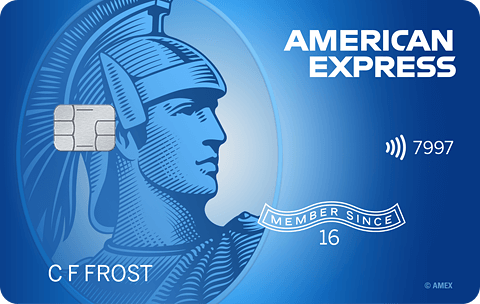
Blue Cash Everyday® Card from American Express
Intro bonus:
As High As $200 Cash Back. Find Out Your Offer.
You may be eligible for as high as $200 cash back after spending $2,000 in purchases on your new Card in the first 6 months. Welcome offers vary and you may not be eligible for an offer. Cash back is received as Reward Dollars, redeemable for statement credit or at Amazon.com checkout. Terms Apply.
Intro APR:0% on Purchases and Balance Transfers for 15 months
Ongoing APR:19.49%-28.49% Variable
Rewards:
1% - 3% (cash back)
Earn 3% cash back at U.S. supermarkets, 3% cash back on U.S. online retail purchases, 3% cash back at U.S. gas stations, on eligible purchases for each category on up to $6,000 per year in purchases (then 1%). Cash back is received in the form of Reward Dollars that can be redeemed as a statement credit and at Amazon.com checkout.
Annual Fee:$0

The opensky® Secured Visa® Credit Card
Ongoing APR:23.89% Variable
Rewards:
10% (cash back)
Earn up to 10% cash back on purchases made with your opensky Secured Visa Credit Card at 40,000+ retailers. Visit opensky Rewards in the opensky app for participating retailers. Learn more at openskycc.com. See Rewards Terms and Conditions for more information.
Annual Fee:$35
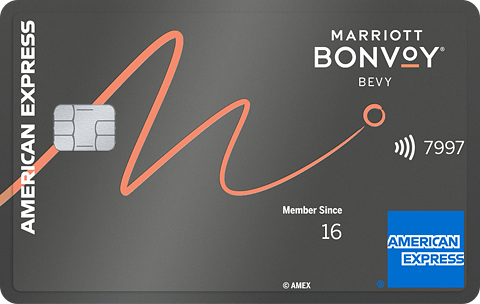
Marriott Bonvoy Bevy® American Express® Card
Intro bonus:
125,000 Bonus Points + a $150 Statement Credit
Earn 125,000 Marriott Bonvoy® bonus points plus a $150 statement credit after you use your new Card to make $5,000 in purchases within the first 6 months of Card Membership. Offer ends 09/30/2026.
Ongoing APR:19.49%-28.49% Variable
Rewards:
2x - 6x (Points per dollar)
Earn 6X Marriott Bonvoy® points for each dollar of eligible purchases at hotels participating in Marriott Bonvoy®. Earn 4X points at restaurants worldwide and U.S. Supermarkets (on up to $15,000 in combined purchases at restaurants and U.S. supermarkets per calendar year, then 2X points). Earn 2X points on all other eligible purchases.
Annual Fee:$250

Ollo Everyday Rewards
Ongoing APR:23.99%-29.99% Variable
Rewards:
1% - 3% (cash back)
Unlimited 3% cash back on all gas stations and EV charging stations, grocery store and drugstore purchases. Unlimited 1% cash back on all other purchases.
Annual Fee:$0

Avant® Cashback Rewards Mastercard® - $500 Credit Limit
Ongoing APR:35.99%*
Rewards:
1% (cash back)
Cash back will be awarded as points redeemable for a statement credit
Annual Fee:$125 first year; then $125.04/year ($10.42/mo)
Bank of America® Travel Rewards credit card
Intro bonus:
25,000 Points
25,000 online bonus points after you make at least $1,000 in purchases in the first 90 days of account opening - that can be a $250 statement credit toward travel purchases
Intro APR:0% Intro APR for 15 billing cycles for purchases, and for any balance transfers made in the first 60 days
Ongoing APR:17.49% - 27.49% Variable
Rewards:
1.5x - 3x (Points per dollar)
3 points per $1 spent on travel purchases booked through BofA Travel and 1.5 points per $1 spent on everyday purchases
Annual Fee:$0
Bank of America® Premium Rewards® credit card
Intro bonus:
60,000 Points
Receive 60,000 online bonus points - a $600 value - after you make at least $4,000 in purchases in the first 90 days of account opening.
Ongoing APR:19.49% - 27.49% Variable
Rewards:
1.5x - 2x (Points per dollar)
2 points for every $1 spent on travel and dining purchases, 1.5 points for every $1 spent on all other purchases
Annual Fee:$95
Bank of America® Unlimited Cash Rewards credit card
Intro bonus:
$250
Limited Time Offer! $250 online cash rewards bonus after you make at least $1,000 in purchases in the first 90 days of account opening.
Intro APR:0% Intro APR for 15 billing cycles for purchases, and for any balance transfers made in the first 60 days
Ongoing APR:17.49% - 27.49% Variable
Rewards:
1.5% (cash back)
1.5% cash back on all purchases
Annual Fee:$0
See all our best rewards credit cards for 2026.
Ultimately, though, the need to borrow funds to invest might mean that you're not financially prepared to start investing. If money is tight, it might be better to focus on reducing your expenses and setting aside cash funds you can use to make investments. Even if you think you might have found a surefire investment strategy, be very cautious of making rash decisions when it comes to borrowing money for investments.
Consider Your Big Financial Picture
Investing is an important part of many people's financial plans. But before taking a large risk, such as borrowing money to buy stock, make sure you have a solid foundation. For many, that means an established emergency fund, no high-interest debt, good credit scores and investments set aside for retirement.
Don’t apply blindly
Apply for credit cards confidently with personalized offers based on your credit profile. Get started with your FICO® Score for free.
See your offers
About the author

Louis DeNicola
Louis DeNicola is freelance personal finance and credit writer who works with Fortune 500 financial services firms, FinTech startups, and non-profits to teach people about money and credit. His clients include BlueVine, Discover, LendingTree, Money Management International, U.S News and Wirecutter.
Read more from Louis