
Why Do Credit Card Issuers Ask Your Income?

Credit card issuers will generally ask for your income when you apply for a new credit card, and occasionally ask you to update your income. They use this information to help determine your card's credit limit, decide whether to change your limit and to comply with federal regulations.
Why Credit Card Issuers Ask Your Income
In addition to your contact information and household bills, credit card applications ask for your annual or monthly income. Card issuers use this information, along with your credit reports and credit scores, to decide whether to approve your application. If approved, it can also affect your card's interest rate and credit limit.
You may need to meet minimum income requirements to qualify for some cards, although the amounts aren't always published. Lenders may consider your income in relation to your monthly bills, including your housing costs, loan payments and the minimum payments on your other credit cards—and the resulting debt-to-income ratio (DTI).
Card issuers use this information to better understand someone's ability to afford a new credit card payment. In part, they want to make sure cardholders won't fall behind on payments. Additionally, federal regulations require card issuers to assess cardholders' ability to pay when offering them a new card or increasing their credit limit.
Best credit cards of 2026
Compare cards from our partners with intro bonuses, cash back or points offers, and annual fees as low as $0.
Offers from our partners

Credit One Bank® American Express® for Rebuilding Credit
Ongoing APR:29.74% Variable
Annual Fee:$75 First year. $99 thereafter, billed monthly at $8.25
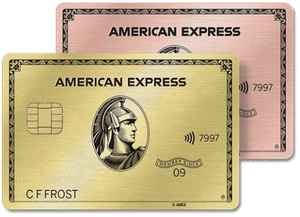
American Express® Gold Card
Ongoing APR:See Pay Over Time APR
Annual Fee:$325
AT&T Points Plus® Card from Citi
Ongoing APR:19.74% - 27.74% (Variable)
Annual Fee:$0

Avant® Cashback Rewards Mastercard®
Ongoing APR:35.99%*
Annual Fee:$75 first year; then $99/year
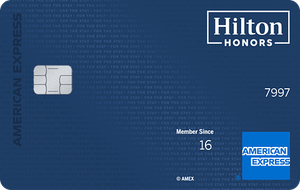
Hilton Honors American Express Surpass® Card
Ongoing APR:19.74%-28.74% Variable
Annual Fee:$150
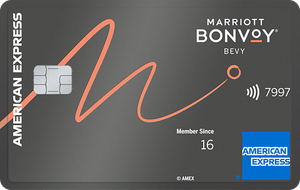
Marriott Bonvoy Bevy® American Express® Card
Ongoing APR:19.74%-28.74% Variable
Annual Fee:$250

Avant® Cashback Rewards Mastercard®
Ongoing APR:35.99%*
Annual Fee:$75*
Bank of America® Customized Cash Rewards credit card
Intro APR:0% Intro APR for 15 billing cycles for purchases, and for any balance transfers made in the first 60 days
Ongoing APR:17.74% - 27.74% Variable
Annual Fee:$0
See all our best credit cards for 2026.
The Importance of Being Honest About Your Income
Lying about your income on a credit application is fraud, which has potential legal implications. Even if you avoid legal trouble, however, the credit card issuer may close your account, forfeit any rewards you've earned and have you repay the outstanding balance.
Card issuers sometimes ask you to verify your income, which you may be able to do by submitting copies of income-related documents, such as a tax return or pay stub. Alternatively, you may be able to give the card issuer permission to contact the IRS to verify your income.
Even if you aren't asked for your specific documents, card issuers may use other tools to estimate your income.
What to Do if Your Income Isn't Enough for a Credit Card
If you're struggling to qualify for a credit card because of a lack of income, consider:
- Using all the allowed sources of income: In addition to wages or a salary from a primary job, you might be able to use other sources of income on a credit card application. These could include income from investments, public assistance and even portions of financial aid if you're in school. If you're 21 or older, you may also be able to include household members' income if you can use the money to pay your bills.
- Becoming an authorized user: Someone else may be able to add you as an authorized user on one of their accounts. Authorized users can receive and use a card that's connected to the primary cardholder's account. However, the primary cardholder remains responsible for the account, including the entire account balance.
- Finding ways to increase your income: You don't necessarily need a high income to qualify for a credit card—the card issuer may only want to know that you can afford the monthly minimum payment. Even a modest increase from a side gig or part-time job could be enough.
- Looking into debit cards that build credit: You might be able to use certain debit cards to establish or build your credit as you look for ways to increase your income. A high credit score can also be important for qualifying for many credit cards.
You may also want to report your new income to your card issuers whenever your income increases, as the higher income might prompt them to raise your credit limit.
Find Your Next Credit Card
Card issuers consider a lot of factors when deciding whether to approve a new credit card application. Even if you have a high income, you might struggle to get certain credit cards unless you also have a good credit score. Check your credit score for free with Experian, and use your Experian membership to get matched with credit card offers based on your unique credit profile.
Don’t apply blindly
Apply for credit cards confidently with personalized offers based on your credit profile. Get started with your FICO® Score for free.
See your offers
About the author

Louis DeNicola
Louis DeNicola is freelance personal finance and credit writer who works with Fortune 500 financial services firms, FinTech startups, and non-profits to teach people about money and credit. His clients include BlueVine, Discover, LendingTree, Money Management International, U.S News and Wirecutter.
Read more from Louis