
Why You Should Apply for a Credit Card Based on Your Credit Score

When you apply for a new credit card, the card issuer will use your credit score to determine whether you're approved, and if so, what your terms will be. Your credit score reflects financial factors such as how much debt you carry, if you pay your bills on time and if you've defaulted on any obligations. Knowing your credit score before you apply for a new account can help you find the best credit card for your score range and improve your chances of getting approved.
Why Knowing Your Credit Score Is Important
When you submit a credit card application, the lender reviews your credit report and score to decide if you're eligible to qualify. In some cases, you may be approved online instantly, while other times the credit card issuer will take some time to review your application and credit report.
Whether you're approved or not, this process may generate a hard inquiry on your credit report, which can temporarily ding your credit score. While a single application won't do much damage to your credit score, it's best to avoid applying for a new account unless you're somewhat likely to get approved. And if you apply for multiple credit cards all around the same time, those hard inquiries can drag down your score unnecessarily.
Checking your credit score provides insight into where your credit currently stands and what lenders see when they pull your file. When you check your credit score, which you can do for free with Experian, you'll see what's helping and hurting your credit. For example, you may not realize how often you make late payments, or you might not be aware how a large balance you're carrying on a certain account is penalizing your score. If you don't need a new credit card urgently, it may be prudent to spend a few months working to improve your credit before you apply for one.
Why would you want a good credit score before applying for a new card? The higher your credit score, the more likely you are to get approved. Not only that, but your score also dictates some of your card's terms, so having a higher score can mean more favorable terms such as lower interest rates or higher credit limits. Additionally, solid credit is required for the more premium credit cards, such as those with rich rewards programs or coveted offers such as 0% APR introductory periods.
What Credit Card Should You Get Based on Your Credit Score?
There are many types of credit cards out there, and choosing the right one for you comes down to factors such as what you want from a card, how you plan to use it, and your credit score.
For example, if you just need a card for occasional large purchases, your priority may be a low-interest card. If you need some relief from high-interest debt, you could consolidate it at a lower interest rate with a balance transfer credit card that offers a 0% intro period on transfers. If your goal is to earn rewards from everyday spending, you may prefer a cash back or travel rewards credit card.
These are all types of unsecured credit cards, meaning no deposit or collateral is required to open an account. If you're new to establishing credit or have had troubles that harmed your credit scores, you may need to start with a secured credit card first. These cards require a deposit as collateral, which is typically then used as your line of credit. It's geared toward those who need help building or improving their credit. After showing months of responsible card use, you may be able to qualify for an unsecured credit card with better terms, benefits and spending limits, if the issuer offers that option.
Best credit cards of 2026
Compare cards from our partners with intro bonuses, cash back or points offers, and annual fees as low as $0.
Offers from our partners
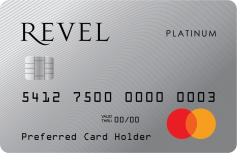
Revel® Platinum Mastercard®
Ongoing APR:35.90% Fixed
Annual Fee:$49 - $125
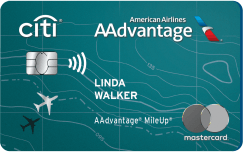
American Airlines AAdvantage® MileUp® Card
Intro APR:0% for 15 months on Balance Transfers
Ongoing APR:19.74% - 29.74% (Variable)
Annual Fee:$0

Avant® Mastercard®
Ongoing APR:29.99%*
Annual Fee:$0*
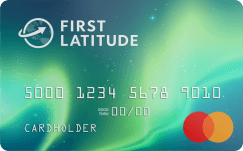
First Latitude Secured Mastercard® Cash Back Rewards
Ongoing APR:27.74% Variable
Annual Fee:$0

Avant® Cashback Rewards Mastercard®
Ongoing APR:35.99%*
Annual Fee:$39*
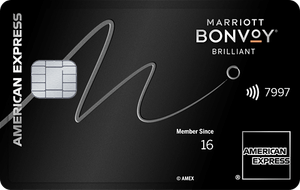
Marriott Bonvoy Brilliant® American Express® Card
Ongoing APR:19.74%-28.74% Variable
Annual Fee:$650
Marriott Bonvoy Bevy® American Express® Card
Ongoing APR:19.74%-28.74% Variable
Annual Fee:$250
Citi Simplicity® Card
Intro APR:0% intro APR for 18 months from account opening on purchases and qualifying balance transfers
Ongoing APR:17.74% - 28.49% (Variable)
Annual Fee:$0
See all our best credit cards for 2026.
Your FICO® ScoreΘ, the most common score used by lenders, is graded on a scale of 300 to 850—and the higher your score, the better the terms you're likely to receive. Here is how these credit scoring ranges are categorized by FICO:
- 300 - 579: Very poor
- 580 - 669: Fair
- 670 - 739: Good
- 740 - 799: Very good
- 800 - 850: Exceptional
When you research credit cards you're considering, you may see preferred credit score ranges for those cards. This can help you ensure you're applying for a card within your range.
What to Do if You Get Denied for a Credit Card
When you don't qualify for a credit card, the issuer is required to provide an adverse action letter informing you why it denied your application. You're also entitled to receive a free copy of your credit report to help you understand the reason for the denial.
If you're denied a credit card you really wanted, you can call the issuer and ask that they reconsider. However, you may need to provide additional information that wasn't in your original application, such as additional sources of income or savings.
The issuer may turn you down, at which point you need to decide whether to apply for a different card or pause to work on improving your credit score. If you take some time to build your credit, you're more likely to get approved for new accounts in the future or cards with better benefits and terms. Paying all your bills on time and paying down credit card balances are the best places to start, as together they make up 65% of your FICO® Score.
An Easy Way to Give Your Score a Boost
Improving your credit score can take time, but there is one way to expedite the process. With Experian Boost®ø, you can get credit for on-time utility, cellphone and video streaming service payments, possibly seeing an immediate increase in your score. If you try Experian Boost before you apply for a credit card, you may find it easier to get approved or land more favorable terms.
Don’t apply blindly
Apply for credit cards confidently with personalized offers based on your credit profile. Get started with your FICO® Score for free.
See your offers
About the author

Emily Starbuck Gerson
Emily Starbuck Gerson is a freelance writer who specializes in personal finance, small business, LGBTQ and travel topics. She’s been a journalist for over a decade and has worked as a staff writer at CreditCards.com and NerdWallet. Emily’s work has appeared in CNBC, MarketWatch, Business Insider, USA Today, The Christian Science Monitor and the Chicago Tribute, among other websites and publications.
Read more from Emily Starbuck