
 By Emily Cahill
Can I Use My Spouse’s Income for My Credit Card Application?
By Emily Cahill
Quick Answer
You can get your own credit card based on your spouse’s or partner’s income, especially if you don’t have any income of your own. And they do not have to be an authorized user on the account. Having a credit card in your own name can help build your credit.

If you're not currently working, you can use your spouse's or partner's income on your credit application. This can help you get approved while still having a card in your own name. Here's what to consider before doing so.
Does My Spouse's Income Count on My Credit Application?
Your spouse's income can count on your individual credit card application. You must have reasonable access to your spouse's income, such as sharing a joint bank account or splitting finances.
If you are currently unemployed, you can use your spouse's income alone on your application. If you do have your own income, but want to be approved for a higher limit or get better odds of approval, you can include your family's total income.
Even if you use your spouse's income to get approved, they don't have to be an authorized user on the card. You also don't have to be legally married, but rather partners with reasonable access to that shared income.
There is one exception: If you are under 21, you won't be able to use your spouse's or partner's income on a credit application. Instead, you will be considered based on your own individual earnings. But if you need a cosigner, you can have someone 21 or older cosign, including your spouse.
The Benefits of Having Your Own Accounts
Depending on how you split your finances, it may seem unnecessary for you to have your own credit card granted based on your spouse's income. However, there are some major benefits to having a card in your own name, even if you don't currently have an income.
Consider these benefits when deciding whether or not to apply for your own card using your spouse's income:
- Build credit in your own name: Even if you are not earning money currently, building your credit is still an achievable goal. You have your own credit report separate from your spouse even if you share finances. By getting an account in your own name, you can improve your own credit score.
- Access to credit in case of emergency: Having your own credit card, savings or other financial account can keep you solvent even if something happens to your spouse. When a spouse dies, accounts in their name only may be frozen while the probate process is underway. Sudden separations or hostile divorces may restrict access to previously shared accounts.
- Financial privacy: Having access to a card where you can make purchases privately may also be important to you. Whether you wish to be able to keep holiday presents a secret or simply want to use your spending money without oversight, having your own credit card is a reasonable desire.
How to Apply for a Credit Card
Start the application process by gathering necessary information. When you apply for a credit card, you'll need information like:
- Name and address
- Social Security number
- Available household income
When you find a card you like, follow these steps to apply:
- Find the application form. It's common to apply for a credit card online, but you can also apply over the phone, by mailing in an application or in person, such as at a store or bank.
- Review the card's terms. As part of the application process, you should get access to the card's Schumer box. This is a standardized form that clearly explains rates and fees associated with your card. Make sure you understand the length of any introductory 0% annual percentage rate (APR) offers and the interest rate afterward, as well as fees.
- Provide your application information. Make sure you have your personal identifying information available, such as your address, phone number and Social Security number. Applications will also ask for your total gross income and perhaps some further details like employment status or your monthly housing costs.
- Submit your application. Try to submit applications judiciously, by only applying to credit cards for which you have good odds of approval.
Before applying for a card, do your research. Make sure you know your current credit score—or if you even have a credit score. Target cards that you have a good chance of getting approved for to avoid having too many new credit inquiries on your credit report.
You can use a tool like Experian's free comparison tool to gauge your odds before sending in applications. Even if you don't have much credit history, there are cards out there—such as secured cards—that you may be approved for.
Best credit cards of 2026
Compare cards from our partners with intro bonuses, cash back or points offers, and annual fees as low as $0.
Offers from our partners
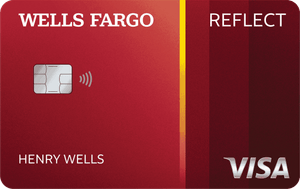
Wells Fargo Reflect® Card
Intro APR:0% intro APR for 21 months from account opening on purchases and qualifying balance transfers
Ongoing APR:17.74%, 24.24%, or 28.49% Variable APR
Rewards:
N/A
Annual Fee:$0
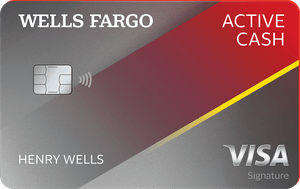
Wells Fargo Active Cash® Card
Intro bonus:
$100
Earn a $100 cash rewards bonus after spending $500 in purchases in the first 3 months.
Intro APR:0% intro APR for 12 months from account opening on purchases and qualifying balance transfers
Ongoing APR:18.74%, 24.74%, or 28.74% Variable APR
Rewards:
2% (Cash Rewards)
Earn unlimited 2% cash rewards on purchases.
Annual Fee:$0
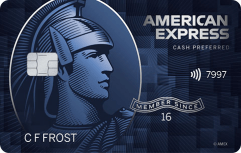
Blue Cash Preferred® Card from American Express
Intro bonus:
As High As $300 Cash Back. Find Out Your Offer.
You may be eligible for as high as $300 cash back after spending $3,000 in purchases on your new Card in the first 6 months. Welcome offers vary and you may not be eligible for an offer. Cash back is received as Reward Dollars, redeemable for statement credit or at Amazon.com checkout. Terms Apply.
Intro APR:0% on Purchases and Balance Transfers for 12 months
Ongoing APR:19.74%-28.74% Variable
Rewards:
1% - 6% (cash back)
Earn 6% cash back at U.S. supermarkets on up to $6,000 per year in eligible purchases (then 1%), 6% cash back on select U.S. streaming subscriptions, 3% cash back at eligible U.S. gas stations and on transit (including taxis/rideshare, parking, tolls, trains, buses and more) purchases and 1% cash back on other purchases. Cash Back is received in the form of Reward Dollars that can be redeemed as a statement credit and at Amazon.com checkout.
Annual Fee:$0 intro annual fee for the first year, then $95.

Credit One Bank® Platinum Rewards Visa® Card
Ongoing APR:29.74% Variable
Rewards:
1% (cash back)
Earn 1% cash back rewards on eligible gas, grocery purchases and mobile phone service, internet, cable and satellite TV services, terms apply
Annual Fee:$39

Credit One Bank® Platinum X5 Visa Signature® Metal Card
Ongoing APR:29.74% Variable
Rewards:
1% - 5% (cash back)
Earn 5% cash back rewards on the first $5,000 of eligible gas, grocery, internet, cable, satellite TV, and mobile phone service purchases each year, and then 1% thereafter. Plus 1% cash back rewards on all other purchases, terms apply.
Annual Fee:$95

Avant® Cashback Rewards Mastercard®
Ongoing APR:35.99%*
Rewards:
1% (cash back)
Cash back will be awarded as points redeemable for a statement credit
Annual Fee:$75*
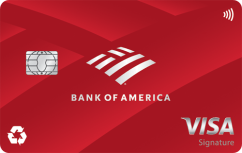
Bank of America® Customized Cash Rewards credit card
Intro APR:0% Intro APR for 15 billing cycles for purchases, and for any balance transfers made in the first 60 days
Ongoing APR:17.74% - 27.74% Variable
Rewards:
1% - 6% (cash back)
Earn 6% cash back for the first year in the category of your choice. You’ll automatically earn 2% cash back at grocery stores and wholesale clubs, and unlimited 1% cash back on all other purchases. After the first year from account opening, you’ll earn 3% cash back on purchases in your choice category. Earn 6% and 2% cash back on the first $2,500 in combined purchases each quarter in the choice category, and at grocery stores and wholesale clubs, then earn unlimited 1% thereafter. After the 3% first-year bonus offer ends, you will earn 3% and 2% cash back on these purchases up to the quarterly maximum.
Annual Fee:$0
Bank of America® Unlimited Cash Rewards credit card
Intro APR:0% Intro APR for 15 billing cycles for purchases, and for any balance transfers made in the first 60 days
Ongoing APR:17.74% - 27.74% Variable
Rewards:
1.5% (cash back)
1.5% cash back on all purchases
Annual Fee:$0
See all our best credit cards for 2026.
The Bottom Line
The first step in getting approved for a credit card is knowing your credit score. When you monitor your credit for free with Experian, you'll get regular updates on changes in your credit report and access to a real-time score. You can also get copies of your credit reports from TransUnion and Equifax directly or from AnnualCreditReport.com.
Be prepared to apply for a card you've got great odds of getting approved for when you use smart tools like credit monitoring and Experian's free comparison tool.
Don’t apply blindly
Apply for credit cards confidently with personalized offers based on your credit profile. Get started with your FICO® Score for free.
See your offers
About the author
Emily Cahill
Emily Cahill is a finance and lifestyle writer who is passionate about empowering people to make smart choices in their financial and personal lives. Her work has appeared on Entrepreneur, Good Morning America and The Block Island Times.
Read more from Emily