 By Tim Maxwell
 Edited by Michelle TipswordBy Tim MaxwellEdited by Michelle Tipsword

A 0% intro APR credit card makes it easier to transfer balances from other high-interest cards or finance large purchases and pay them down over time without paying interest.
Unfortunately, the introductory offer is just that: temporary. When a credit card's 0% intro APR period ends, you'll incur interest on any remaining balance and new purchases that aren't paid in full by the due date. Before opening an account, make sure you understand how the 0% introductory period works and what to do once it ends.
Once the 0% period ends, any balance you still owe will be charged interest at the card's regular annual percentage rate (APR). Here's a quick breakdown of how it works.
Once the credit card's promotional period ends, your account is subject to the standard interest rates specified in your cardholder agreement. This is the rate you were given when you were approved for the card.
Many cards have regular variable APRs over 20%, so your interest charges and possibly your minimum payment could rise considerably if you still have a balance when the introductory period ends. As a reference, the average APR for credit cards is 22.15% as of May 2026, according to the Federal Reserve.
Tip: Understand that promotional rates for purchases and balance transfers can vary and end at different times. For example, your 0% promotional rate could last for 21 months on balance transfers but only 12 months on purchases. Check your cardholder agreement so you know when the regular APR will start for each.
Learn more: What You Need to Know About 0% APR Credit Card Offers
Any balance left on the card when the intro period expires starts accruing interest at your new standard rate, as do new purchases you don't pay in full by the due date.
Example: Say you are approved for a credit card with an introductory period lasting 12 months, and you use it to purchase a $1,500 laptop. Over the next 12 months, you pay down your balance by $1,000, which leaves you with a $500 balance when the introductory period ends. At that point, your credit card's regular APR will begin accruing interest on the remaining $500 balance. The interest charges could increase your monthly payments over time if you don't pay down the balance quickly.
Compare cards from our partners with 0% intro APR offers on balance transfers, purchases or both.
Offers from our partners
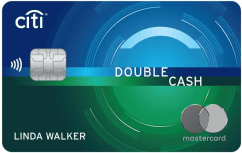
Citi Double Cash® Card
Intro APR:0% for 18 months on Balance Transfers
Ongoing APR:18.24% - 28.49% (Variable)
Annual Fee:$0
Blue Cash Everyday® Card from American Express
Intro APR:0% on Purchases and Balance Transfers for 15 months
Ongoing APR:19.49%-28.49% Variable
Annual Fee:$0
Wells Fargo Reflect® Card
Intro APR:0% intro APR for 21 months from account opening on purchases and qualifying balance transfers
Ongoing APR:17.49%, 23.99%, or 28.24% Variable APR
Annual Fee:$0
Citi® Diamond Preferred® Card
Intro APR:0% for 21 months on Balance Transfers and 12 months on Purchases
Ongoing APR:16.49% - 27.24% (Variable)
Annual Fee:$0
Blue Cash Preferred® Card from American Express
Intro APR:0% on Purchases and Balance Transfers for 12 months
Ongoing APR:19.49%-28.49% Variable
Annual Fee:$0 intro annual fee for the first year, then $95.
Citi Simplicity® Card
Intro APR:0% intro APR for 18 months from account opening on purchases and qualifying balance transfers
Ongoing APR:17.49% - 28.24% (Variable)
Annual Fee:$0
Bank of America® Customized Cash Rewards credit card
Intro APR:0% Intro APR for 15 billing cycles for purchases, and for any balance transfers made in the first 60 days
Ongoing APR:17.49% - 27.49% Variable
Annual Fee:$0
Bank of America® Travel Rewards credit card
Intro APR:0% Intro APR for 15 billing cycles for purchases, and for any balance transfers made in the first 60 days
Ongoing APR:17.49% - 27.49% Variable
Annual Fee:$0
See all our best 0% intro credit cards for 2026.
A little planning and effort can go a long way toward paying off your balance during your credit card's promotional period. Consider these steps to help you wipe out your balance and avoid interest charges:
Tip: Set up automatic payments for at least the minimum payment so you don't miss a due date during your introductory period. A late payment may result in a late fee and potentially even jeopardize your 0% intro APR offer, depending on your card's terms. If your payment is more than 60 days late, your card issuer may charge a penalty APR on your existing balance. Check your cardholder agreement for the consequences of late or returned payments with your credit card.
Learn more: What Happens if You Only Pay the Minimum on Your Credit Card?
It's generally a good idea to keep your credit card open because it can help your credit. Keeping the account open with a $0 balance could lower your credit utilization ratio, which is the percentage of your available credit you're using. Credit utilization accounts for 30% of your FICO® ScoreΘ, the credit score used by 90% of top lenders.
You might consider closing the account, however, if the credit card has a high annual fee and you don't think you'll get enough use from it to justify the cost.
Tip: If you choose to keep your credit card, consider using it periodically so your card issuer doesn't classify your account as inactive. While there's no set rule for how often you should use your credit card, utilizing it every few months may help you avoid credit card cancellation for inactivity. Keeping your credit card account open can also benefit you if the card offers perks and bonuses aside from the 0% intro APR.
Follow these tips to maximize the value of a 0% APR credit card:
The longer the introductory period, the more time you have to pay off your balance before the regular APR kicks in. That can lower the monthly payment you need to make to avoid interest, assuming you pay the balance in full by the end of the promotional period. Promotional periods vary by card issuer and typically last from six months up to 21 months; look for a 0% intro APR card with the longest intro period if you could use the extra time.
It's easy to acquire a large balance on a 0% intro APR card, especially if you use the card for a large purchase or transfer an existing balance from another card. Consider following a debt repayment strategy, such as the snowball or avalanche method, while prioritizing any 0% intro APR balance that must be paid off before its promotional period expires.
Learn more: Debt Snowball vs. Debt Avalanche Method
When you're comparing 0% intro APR credit cards, don't forget to check each card's fees and other costs. Make sure you understand the card's annual fees, late payment penalties and balance transfer fees before opening a new account.
You should also be aware of a credit card's penalty APR. This is a special interest rate that some credit cards charge if you miss a payment. A missed payment could cause you to lose your promotional 0% interest rate and trigger a higher penalty APR.
A 0% intro APR credit card usually requires good or excellent credit to qualify, but the higher your score, the better your approval odds and the more favorable your terms are likely to be. If you have fair or limited credit, you still have options since many other credit cards accept applicants with less-than-ideal credit.
Before you apply, check your FICO® Score for free with Experian to see where your credit stands. Knowing your number helps you focus on cards whose credit requirements you already meet. You can also get credit card offers that fit your credit profile through Experian's card platform, where you can review options and apply.
Keep more cash in your wallet with a low interest credit card. See what offers you qualify for based on your FICO® Score.
See your offers
Tim Maxwell
Tim Maxwell is a former television news journalist turned personal finance writer and credit card expert with over two decades of media experience. His work has been published in Bankrate, Fox Business, Washington Post, USA Today, The Balance, MarketWatch and others. He is also the founder of the personal finance website Incomist.
Read more from Tim