What Is a Credit Card Issuer?
Quick Answer
- A credit card issuer is a financial institution that provides credit cards.
- Credit card issuers review applications, set credit limits and determine the card’s benefits and fees.
- It’s important to compare offerings from multiple credit card issuers before submitting an application.

Credit card issuers are the financial institutions that provide credit cards. They determine your credit limit, interest rate, rewards program and your experience as a cardholder. Understanding what credit card issuers do can help you compare credit cards and find one that fits your spending needs.
What Is a Credit Card Issuer?
A credit card issuer is a financial institution—such as a bank, credit union, fintech company or other lender—that issues credit cards and extends a line of credit to cardholders. When you use your credit card to make a purchase, the issuer pays the merchant on your behalf and you repay the issuer according to your card agreement.
Best credit cards of 2026
Compare cards from our partners with intro bonuses, cash back or points offers, and annual fees as low as $0.
Offers from our partners
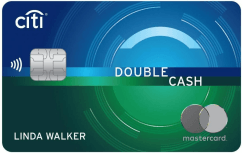
Citi Double Cash® Card
Intro APR:0% for 18 months on Balance Transfers
Ongoing APR:18.49% - 28.74% (Variable)
Rewards:
2% (cash back)
Earn 2% on every purchase with unlimited 1% cash back when you buy, plus an additional 1% as you pay for those purchases. To earn cash back, pay at least the minimum due on time. Plus, earn 5% total cash back on hotel, car rentals and attractions booked with Citi Travel.
Annual Fee:$0
Ongoing APR:35.99%*
Rewards:
1% (cash back)
Cash back will be awarded as points redeemable for a statement credit
Annual Fee:$75*
Hilton Honors American Express Card
Intro bonus:
70,000 Points
Earn 70,000 Bonus Points plus a Free Night Reward after you spend $2,000 in purchases on the card in the first 6 months of Card Membership. Offer ends 01/13/2027.
Ongoing APR:19.74%-28.74% Variable
Rewards:
3x - 7x (Points per dollar)
Earn 7X Hilton Honors Bonus Points for each dollar of eligible purchases charged on your Card directly with a hotel or resort within the Hilton portfolio. Earn 5X Hilton Honors Bonus Points for each dollar of eligible purchases on your Card: at U.S. restaurants, at U.S. supermarkets, at U.S. gas stations. Earn 3X Hilton Honors Bonus Points for all other eligible purchases on your Card.
Annual Fee:$0
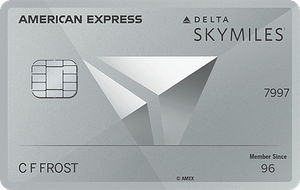
Delta SkyMiles® Platinum American Express Card
Intro bonus:
As High As 90K Miles + $300 Statement Credit
You may be eligible for as high as 90,000 Bonus Miles and a $300 Statement Credit after you spend $4,000 in eligible purchases on your new Card in your first 6 months of Card Membership. Apply to find out your offer. Terms Apply. Offer ends 11/04/2026.
Ongoing APR:19.74%-28.74% Variable
Rewards:
1x - 3x (Miles per dollar)
Earn 3X Miles on Delta purchases and purchases made directly with hotels. Earn 2X Miles at restaurants worldwide including takeout and delivery in the U.S., and at U.S. supermarkets. Earn 1X Miles on all other eligible purchases.
Annual Fee:$350
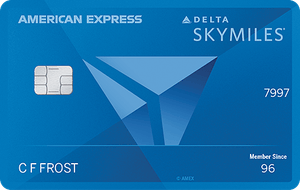
Delta SkyMiles® Blue American Express Card
Intro bonus:
10,000 Miles
Earn 10,000 bonus miles after you spend $1,000 in purchases on your new Card in your first 6 months.
Ongoing APR:19.74%-28.74% Variable
Rewards:
1x - 2x (Miles per dollar)
Earn 2X Miles per dollar at restaurants worldwide, plus takeout and delivery in the U.S. Earn 2X Miles per dollar spent on Delta purchases, and 1X Mile on all other eligible purchases.
Annual Fee:$0
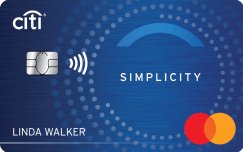
Citi Simplicity® Card
Intro APR:0% intro APR for 18 months from account opening on purchases and qualifying balance transfers
Ongoing APR:17.74% - 28.49% (Variable)
Rewards:
N/A
Annual Fee:$0
Intro bonus:
200,000 Points
Best Points Offer Yet! Earn 200,000 Hilton Honors Bonus Points with the Hilton Honors American Express Aspire Card after you spend $6,000 in purchases on the Card within your first 6 months of Card Membership. Offer ends 01/13/2027.
Ongoing APR:19.74%-28.74% Variable
Rewards:
3x - 14x (Points per dollar)
Earn 14X Hilton Honors Bonus Points when you make eligible purchases on your Card directly with hotels and resorts within the Hilton portfolio. Card Members can earn 7X Points on purchases of Flights booked directly with airlines or flights booked through American Express Travel, Car rentals purchased directly from select car rental companies, and purchases at U.S. Restaurants. Card Members can earn 3X Points on all other eligible purchases.
Annual Fee:$550
Ongoing APR:23.99%-29.99% Variable
Rewards:
1% - 3% (cash back)
Unlimited 3% cash back on all gas stations and EV charging stations, grocery store and drugstore purchases. Unlimited 1% cash back on all other purchases.
Annual Fee:$0
See all our best credit cards for 2026.
How Do Credit Card Issuers Work?
Credit card issuers take on the risk of lending money to cardholders. Before they approve your credit card application, card issuers evaluate your credit history, income and existing debt to determine whether you qualify for an account and how much you can afford to repay.
Once your account is open, the issuer manages your credit card experience. Credit card issuers:
- Approve or deny new applications
- Set credit limits, interest rates and fees
- Authorize or decline transactions
- Send monthly statements
- Handle payments and provide customer support
- Report account activity to credit bureaus
- Pays merchants for purchases made with your card
In exchange for extending credit, issuers earn revenue through interest charges, annual fees, interchange fees and other account-related fees.
Who Are the Top Credit Card Issuers?
Many banks and financial institutions issue credit cards in the United States. Some of the largest card issuers include:
- American Express
- Bank of America
- Barclays
- Capital One
- Chase
- Citi
- Discover
- Synchrony Bank
- U.S. Bank
- Wells Fargo
Each issuer offers different rewards programs, benefits, fees and approval requirements.
Credit Card Issuer vs. Credit Card Payment Network
While you'll primarily deal with the credit card issuer, there's another entity involved in credit card transactions. Credit card payment networks play a different role in the credit card ecosystem.
The issuer is the company that provides your credit card account and lends you money when you make purchases. A payment network, on the other hand, provides the infrastructure that allows transactions to move between merchants and banks.
For example, if you have a Chase Visa, Chase is the card issuer and Visa is the payment network.
Payment networks:
- Process credit card transactions
- Communicate approval and payment information
- Connect merchants, banks and card issuers
- Set network rules and processing standards
The payment network also affects where your card is accepted. In the U.S., all four major payment networks—Visa, Mastercard, American Express and Discover—are accepted by most merchants. Internationally, however, Visa and Mastercard generally have broader acceptance than American Express and Discover.
It's worth noting that American Express and Discover are both card issuers and payment networks.
Learn more: What Is a Credit Card Network?
How to Choose a Credit Card Issuer
The best credit card issuer for you depends on your spending habits, financial goals and personal preferences. Here's what to consider when you're comparing issuers:
- Approval requirements: Some issuers offer cards designed for people who are building credit, while others focus on applicants with good to excellent credit. Understanding card issuer approval standards can help you narrow your options and avoid unnecessary credit inquiries.
- Card selection: Some issuers have a broad lineup of cards for students, everyday spenders, travelers and business owners. This makes it easier to find a card that fits your needs and potentially upgrade to another card from the same issuer later.
- Rewards and benefits: Different credit card issuers are known for different strengths. Some focus on premium travel perks and airport lounge access, while others emphasize cash back rewards. Consider which rewards structure aligns best with your spending habits.
- Rewards ecosystem: If you plan to have more than one card, look at how the issuer's rewards programs work together. Some issuers allow you to combine points across cards, transfer rewards to airline and hotel partners or unlock additional redemption options.
- Fees and interest rates: Compare annual fees, APRs, foreign transaction fees and other fees. Though it's not recommended, if you plan to carry a balance from month to month, a lower APR may be more valuable than earning rewards.
- Existing banking relationship: Having a credit card with a bank where you already maintain an account can simplify account management. Some issuers also offer relationship benefits to existing customers.
- Prestige: Some issuers are known for premium credit cards that offer luxury travel benefits, concierge services and exclusive experiences. While these cards can provide significant value, they often come with higher annual fees. Make sure the benefits justify the cost before applying.
- Customer experience: A card can lose its appeal if based on its customer support. Consider mobile app quality, fraud protection tools and the issuer's reputation for resolving disputes.
Learn more: What Credit Card Should I Get?
The Bottom Line
A credit card issuer shapes your overall credit card experience. When you're comparing credit cards, be sure to evaluate the issuer as well as the card itself to find the option that best supports your financial goals.
You can get matched with credit cards based on your credit profile with Experian's credit card comparison platform. Filter results based on your goals and preferences to find the best match for you.
Don’t apply blindly
Apply for credit cards confidently with personalized offers based on your credit profile. Get started with your FICO® Score for free.
See your offersAbout the author
LaToya Irby is a personal finance writer who works with consumer media outlets to help people navigate their money and credit. She’s been published and quoted extensively in USA Today, U.S. News and World Report, myFICO, Investopedia, The Balance and more.
Read more from LaToya