 By Ben Luthi
 Edited by Samuel MountjoyBy Ben LuthiEdited by Samuel Mountjoy
Visa and Mastercard work similarly for most people, offering wide acceptance and comparable protections. The real differences generally come from the bank and the specific card, not the network.

The choice between Visa and Mastercard isn't always clear because both are relatively similar in terms of acceptance, benefits and security features. In most cases, the specific card issuer and the rewards program matter more than the payment network itself.
If you're trying to decide between a Visa and a Mastercard credit card, here's what to know about how they differ and how to choose.
| Visa | Mastercard | |
|---|---|---|
| Acceptance | 200+ countries, 150 million+ merchants | 200+ countries, 150 million+ merchants |
| Benefits | Determined by card issuer; focus on travel and purchase protection | Determined by card issuer; focus on lifestyle perks and Priceless experiences |
| Card issuers | Thousands of banks and credit unions including Bank of America, Capital One, Chase, Citi, U.S. Bank and Wells Fargo | Thousands of banks and credit unions including Bank of America, Capital One, Chase, Citi, U.S. Bank and Wells Fargo |
| Security | Zero liability protection, EMV chip technology, AI-powered 500+ data point verification | Zero liability protection, EMV chip technology, AI-powered fraud detection |
Visa is a global payment network that processes transactions between merchants, banks and cardholders. Founded by Bank of America in 1958, Visa has grown into one of the world's largest payment processors. Visa processed 257.5 billion transactions during the fiscal year ending September 2025.
Visa doesn't issue credit cards directly to consumers. Instead, it partners with financial institutions like banks and credit unions, which issue Visa-branded cards and manage cardholder accounts. These issuing banks determine your card's interest rates, annual fees and rewards programs.
In addition to any features your card provides, Visa offers three tiers of benefits, including Traditional, Signature and Infinite.
Compare cards from our partners that earn points, cash back or miles on everyday spending.
Offers from our partners
Credit One Bank® American Express® for Rebuilding Credit
Ongoing APR:29.74% Variable
Annual Fee:$75 First year. $99 thereafter, billed monthly at $8.25
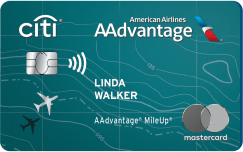
American Airlines AAdvantage® MileUp® Card
Intro APR:0% for 15 months on Balance Transfers
Ongoing APR:19.74% - 29.74% (Variable)
Annual Fee:$0
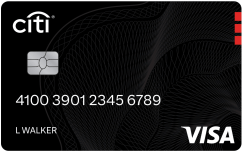
Costco Anywhere Visa® Card by Citi
Ongoing APR:18.99% - 26.99% (Variable)
Annual Fee:$0
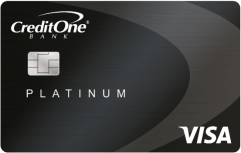
Credit One Bank® Platinum Rewards Visa® Card
Ongoing APR:29.74% Variable
Annual Fee:$39
Credit One Bank® Premier American Express® Unlimited Rewards Card
Ongoing APR:29.74% Variable
Annual Fee:$0
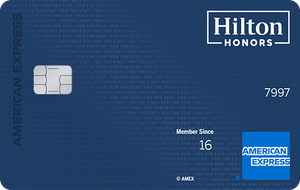
Hilton Honors American Express Surpass® Card
Ongoing APR:19.74%-28.74% Variable
Annual Fee:$150
Credit One Bank® Platinum X5 Visa Signature® Metal Card
Ongoing APR:29.74% Variable
Annual Fee:$95

Avant® Cashback Rewards Mastercard®
Ongoing APR:35.99%*
Annual Fee:$75*
See all our best rewards credit cards for 2026.
Mastercard is another major global payment network that facilitates transactions between consumers, merchants and financial institutions. Like Visa, Mastercard doesn't issue cards directly. Rather, it provides the technology and infrastructure that enables card payments to work seamlessly around the world.
The Mastercard network processed an average of 204.51 billion transactions in 2024. Mastercard offers various card tiers, including Standard, World, World Elite and World Legend, each with different benefit levels determined by your card issuer.
While Visa and Mastercard are the two largest payment networks, the differences between them are relatively minor for most cardholders. Here's what sets them apart.
Both networks exceeded 150 million locations in more than 200 countries and territories as of mid-2024. Virtually every merchant that takes credit cards accepts both Visa and Mastercard.
One major exception is Costco, which only accepts Visa credit cards—though Mastercard debit cards are accepted in-store, and Mastercard credit cards are accepted online.
The benefits you receive depend far more on your card issuer than on the payment network. Both Visa and Mastercard offer similar core protections, but the specific perks vary based on your card's tier and the bank that issued it.
Mastercard's focus is on lifestyle perks. For example, the payment processor offers benefits with merchants like Lyft and Instacart. You'll also get access to Priceless experiences, which include exclusive access to concerts, dining events and entertainment.
Visa, on the other hand, tends to emphasize travel-related benefits and roadside assistance, though it also offers perks with merchants like OpenTable and Booking.com.
Your specific benefits depend on which tier your credit card is on and which bank issued your card. A Chase Visa card will have different benefits than a Bank of America Visa card, even though both use the same payment network.
Both Visa and Mastercard operate as payment networks rather than card issuers. They license their payment technology to financial institutions, which then issue cards to consumers.
Major card issuers typically work with both networks, though American Express and Discover use their own payment networks. The issuing bank manages your account, sets your interest rate, determines annual fees and designs rewards programs.
This means your experience as a cardholder depends more on your relationship with the issuing bank than on whether your card has a Visa or Mastercard logo. Interest rates, customer service quality, rewards earning rates and redemption options all come from your card issuer, not the payment network.
Both Visa and Mastercard offer zero liability fraud protection, ensuring cardholders are not held responsible for unauthorized charges made with their cards when reported promptly.
Additionally, Visa's security features include:
Mastercard's security measures include:
Both networks invest heavily in fraud prevention technology and continuously update their security measures to protect cardholders and merchants from evolving threats.
Neither Visa nor Mastercard is inherently better than the other. Both payment networks offer near-universal acceptance, robust security features and access to various card benefits. The differences between them are minimal for most consumers.
What matters more than the network is choosing the right credit card based on:
You can confidently use either a Visa or Mastercard credit card at millions of merchants worldwide, and both networks provide strong security protections against fraud.
For those reasons, the payment network matters less than the specific card features, rewards program and issuer. When choosing between cards, prioritize factors like rewards rates, annual fees, interest rates and intro bonuses over whether it's a Visa or Mastercard.
If you're looking to add a new credit card to your wallet, consider getting personalized offers based on your Experian credit profile.
Cash back? Miles? Points? Whatever suits your goals, we can help match you to personalized rewards card offers. Start with your FICO® Score for free.
See your offers
Ben Luthi
Ben Luthi has worked in financial planning, banking and auto finance, and writes about all aspects of money. His work has appeared in Time, Success, USA Today, Credit Karma, NerdWallet, Wirecutter and more.
Read more from Ben